












NAIROBI, Kenya, Mar 2 — The head of the International Atomic Energy Agency (IAEA) on Monday called for “utmost restraint” in the escalating Middle East conflict, warning of serious nuclear risks.
IAEA Director General Rafael Mariano Grossi told the agency’s Board of Governors that while Iran’s nuclear facilities, including the Bushehr Nuclear Power Plant and Tehran Research Reactor, show no signs of damage, communication with Iranian authorities has been disrupted as a result of the conflict.
Grossi called for diplomatic engagement as the only lasting solution to the escalating conflict following military strikes by Israel and the United States on Iran.
“The lasting solution to this long-existing discord lies on the diplomatic table,” he said, emphasizing that while military force may be a reality in international relations, it remains the “least preferred option.”
Grossi highlighted the risks posed by nuclear facilities across the region, including in the UAE, Jordan, Syria, and Saudi Arabia, cautioning that attacks on such sites could trigger “radioactive releases with grave consequences.”
He further stressed that a return to diplomacy is essential to maintain the global non-proliferation regime and ensure Iran does not acquire nuclear weapons.
“To achieve the long-term assurance that Iran will not acquire nuclear weapons and for maintaining the continued effectiveness of the global non-proliferation regime, we must return to diplomacy and negotiations,” he said.
The IAEA has activated its Incident and Emergency Centre to monitor potential radiological emergencies and stand ready to advise member states.
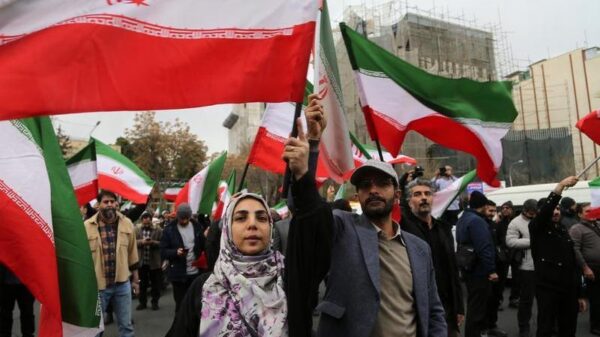
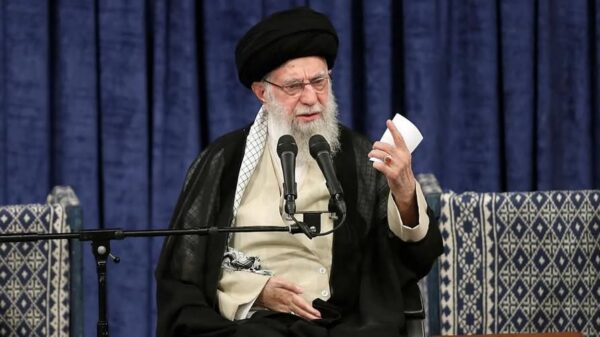
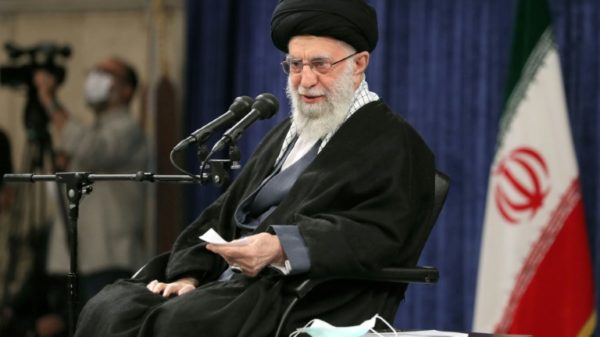
The warning comes amid a rapid escalation following the death of Iran’s Supreme Leader Ayatollah Ali Khamenei in US and Israeli airstrikes over the weekend.
Iran has retaliated with missile and drone strikes targeting Israel, Gulf states, and shipping routes in the Strait of Hormuz.
Iran-backed Hezbollah has also launched rockets into Israel from Lebanon.
Grossi stressed that, despite the unprecedented attacks, the IAEA is prepared to act immediately to prevent nuclear accidents.
“We cannot rule out a possible radiological release with serious consequences, including the necessity to evacuate areas as large or larger than major cities,” he said.
He noted that nuclear diplomacy is difficult but essential.
“Diplomacy is hard, but it is never impossible. Nuclear diplomacy is even harder, but it is never impossible,” the IAEA chief said.
“It is not a matter of if, but of when, we will again gather at that diplomatic table – we simply must do so as quickly as possible.”