










In a global environment defined by uncertainty and shifting priorities, China and Africa are making a deliberate and confident choice: to invest in people. The designation of 2026 as the China–Africa Year of People-to-People Exchanges is far more than a symbolic gesture. It represents a strategic deepening of a partnership whose greatest strength has always been its human foundation — mutual respect, shared aspirations and enduring solidarity.
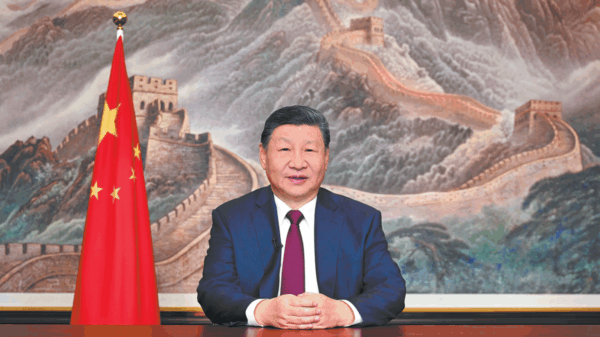
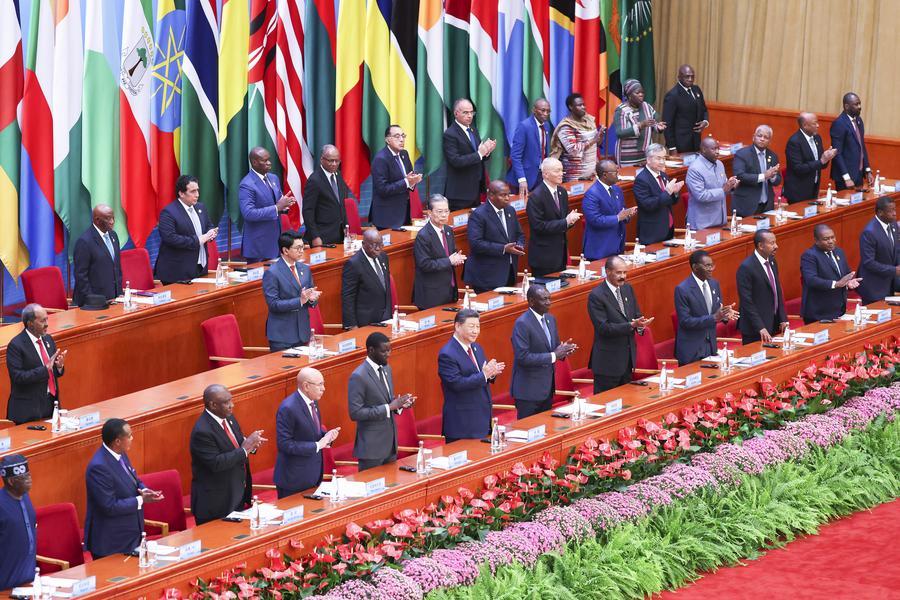
For decades, China–Africa relations have been anchored in practical cooperation and political trust. What distinguishes the 2026 initiative is its explicit people-first orientation. As President Xi Jinping has emphasised, the foundation and lifeline of China–Africa relations lie with the people. By placing ordinary citizens — including youth, women, professionals, artists, health workers and scholars — at the centre of engagement, both sides are reinforcing the most resilient pillar of their long-standing friendship.
The Year of People-to-People Exchanges also coincides with the 70th anniversary of diplomatic relations between China and African countries. This milestone offers not only an opportunity for commemoration, but also a moment for renewal. Its theme, “Consolidate All-Weather Friendship, Pursue a Shared Dream of Modernisation,” signals a forward-looking vision of development that is inclusive, culturally grounded and responsive to local realities.
Youth sit at the heart of the 2026 agenda. Africa is the world’s youngest continent, and China’s own development journey demonstrates the transformative power of investing in young people. Through initiatives such as the China–Africa Youth Festival, Future Leaders’ Dialogue, innovation and entrepreneurship competitions, and study visits for emerging African leaders, the programme is building networks designed to last well beyond 2026. These are not one-off exchanges, but sustained efforts to nurture a generation that understands each other’s societies, governance experiences and development pathways.
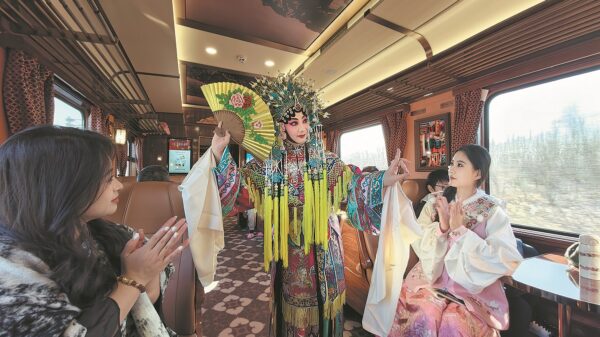
Cultural exchange forms another cornerstone of the initiative. From film festivals and joint performances to fashion showcases and dialogues among civilisations, the “Cultural Kaleidoscope” programmes recognise culture as both a bridge and a catalyst. Mutual appreciation of heritage and creativity deepens trust and challenges simplistic narratives. When artists, filmmakers, athletes and writers collaborate, they humanise international relations in ways diplomacy alone cannot.
Equally important is the emphasis on livelihoods and well-being. Programmes focused on health, poverty reduction, public welfare and disability inclusion translate friendship into tangible outcomes. Initiatives such as “100 Medical Teams in 1,000 Villages,” poverty-reduction conferences and tropical disease elimination efforts reflect a pragmatic cooperation model that directly improves daily life. These efforts build on long-standing successes, including decades of Chinese medical teams working across Africa and expanding public health collaboration.
The “Symphony of Ideas” component adds intellectual depth to the year’s activities. By bringing together think tanks, media organisations, local governments and civil society leaders, China and Africa are creating spaces for open dialogue on governance and modernisation. These platforms acknowledge diversity of experience while promoting mutual learning — a vital ingredient for sustainable development partnerships.
Talent development and innovation round out the agenda. Cooperation in vocational training, digital technologies, agriculture, biodiversity and women’s entrepreneurship reflects a shared understanding that skills and knowledge are the engines of modernisation. Initiatives such as the China–Africa Consortium of Universities, innovation forums and targeted empowerment programmes are designed to convert human potential into long-term growth.
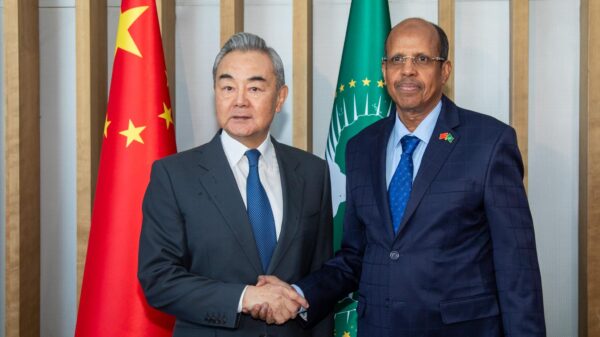
Importantly, the Year of People-to-People Exchanges builds on tangible achievements already underway. These include Luban Workshops that train skilled professionals across Africa, expanded tourism cooperation, and growing cultural and educational exchanges. The recent launch ceremony at the African Union headquarters in Addis Ababa underscored Africa’s ownership and enthusiasm, reinforcing that this is a joint endeavour rather than a unilateral initiative.
Ultimately, the China–Africa Year of People-to-People Exchanges sends a clear signal. At a time when the world is searching for stability and inclusive growth, China and Africa are doubling down on cooperation that begins with people and ends with shared progress. By strengthening human bonds, the partnership is laying a durable foundation for an all-weather China–Africa community with a shared future — one in which modernisation is not abstract, but lived, felt and sustained by the people themselves.