











NAIROBI, Kenya, Jan 17 — Chief of the Defence Forces (CDF) General Charles Kahariri and Defence Cabinet Secretary Soipan Tuya have emphasized the importance of cultural intelligence as a critical force multiplier in modern conflict resolution amid evolving global security dynamics.
The remarks were made during the National Defence College (NDC) Cultural Day held at Uhuru Gardens, Nairobi, an event jointly organized by the NDC and the Joint Command and Staff College (JCSC) under the theme “Culture and Technology: A Fusion Fest.”
Addressing diplomats, senior military officers, defence attachés, students, and guests, General Kahariri highlighted that culture plays a central role not only in community and national development but also in national security, international relations, and global peace.
“When we appreciate each other’s diversities, there is little room for conflict,” said the CDF, noting that cultural understanding bridges divides and fosters cooperation across borders.
He commended both institutions for improving the cultural day in line with Kaizen—the principle of continuous improvement—and expanding the event to Uhuru Gardens to allow wider participation.
General Kahariri stressed the growing relevance of cultural appreciation in professional military education and encouraged deeper academic engagement on the link between culture, security, and development.
He also called for integrating cultural activities into military events to strengthen unity, identity, and mutual respect.
He acknowledged the role of families, especially spouses and children, in preserving cultural values and supporting military personnel’s resilience.
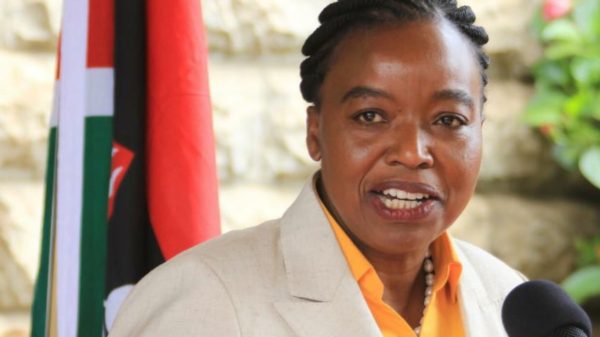
CS Soipan Tuya, the chief guest, noted that modern national power extends beyond military hardware and capabilities.
“National power is not defined solely by military capability. It is equally anchored in human relationships, shared values, mutual understanding, and our collective ability to operate effectively across cultures, institutions, and borders,” she said.
Sustainable security
The joint cultural day brought together strategic leaders from the NDC and emerging operational and tactical leaders from the JCSC, representing more than 20 nationalities.
Tuya emphasized that the convergence reinforces the leader-learner continuum and affirms that sustainable security is built on cooperation, trust, and respect.
Speaking on the theme of culture and technology, the CS observed that contemporary conflicts increasingly extend into cognitive, informational, and digital domains, where adversaries exploit both technology and cultural fault lines to influence perceptions and destabilize societies.
“Culture provides context, shapes identity, and informs behaviour, while technology provides capability. When effectively fused, they become powerful enablers of operational effectiveness, conflict prevention, and sustainable peace.”
Tuya described cultural intelligence as a force multiplier and urged that today’s officers must also be diplomats in uniform. She affirmed the Ministry of Defence’s commitment to developing well-rounded leaders confident in identity, respectful of diversity, and innovative in applying cultural and technological tools.
Both leaders praised the commandants of the two institutions, partners, and sponsors for supporting defence education and innovation. They also commended students and course participants for sharing their heritage and building networks that extend beyond the classroom.
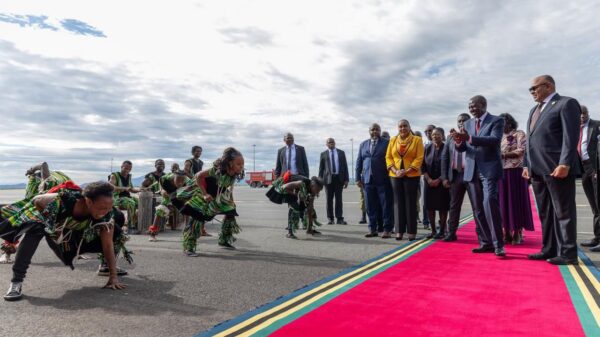
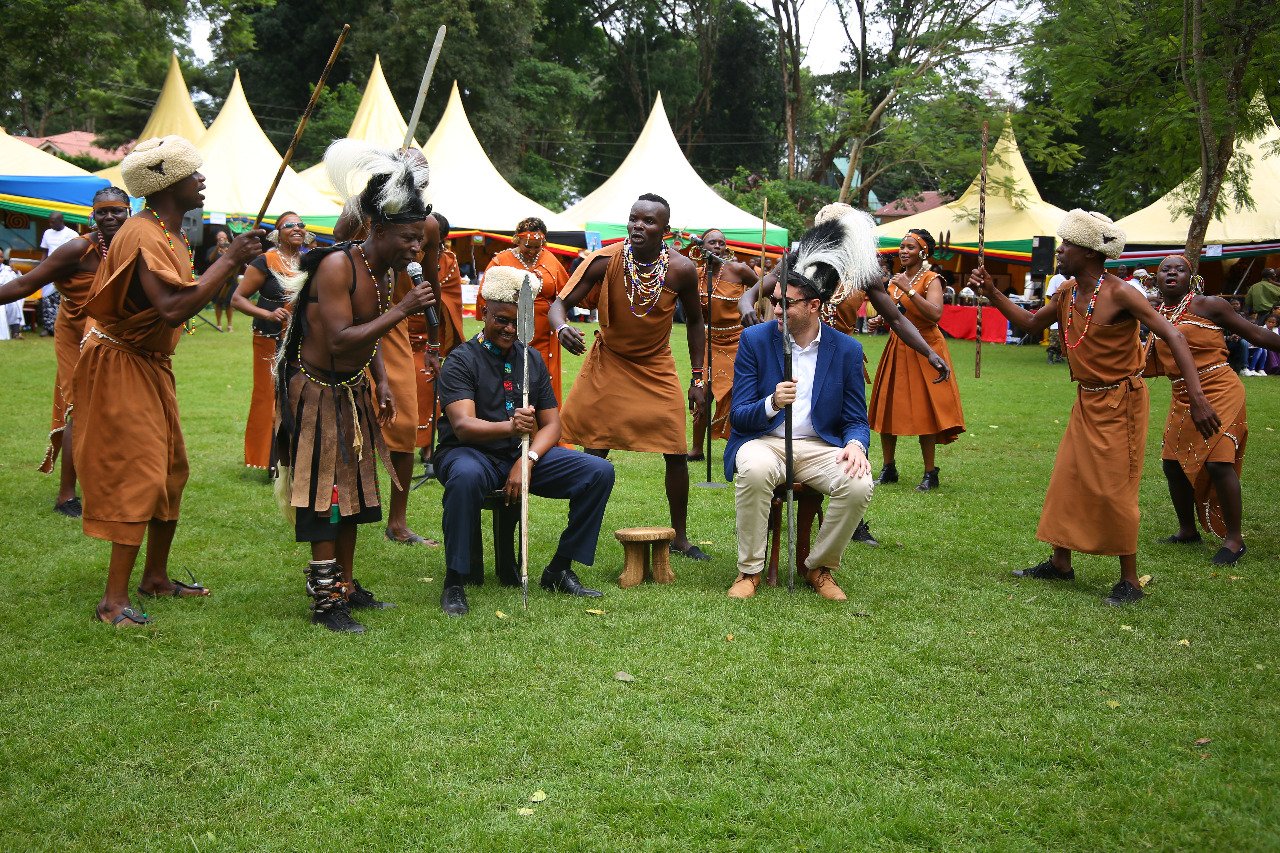
The cultural day featured traditional dances, cuisine, and exhibitions from different cultures, symbolizing unity in diversity and reinforcing the role of cultural understanding in strengthening national, regional, and global security.