

















NAIROBI, Kenya, Jan 27 — The Independent Electoral and Boundaries Commission (IEBC) has postponed the substantive review and delimitation of electoral boundaries until after the 2027 General Election.
The decision comes amid tight constitutional timelines, ongoing litigation, and preparations for the polls.
In a statement, the commission said it will adopt a phased approach, focusing on preparatory and technical work while deferring changes to constituency and ward boundaries until legal and institutional hurdles are resolved.
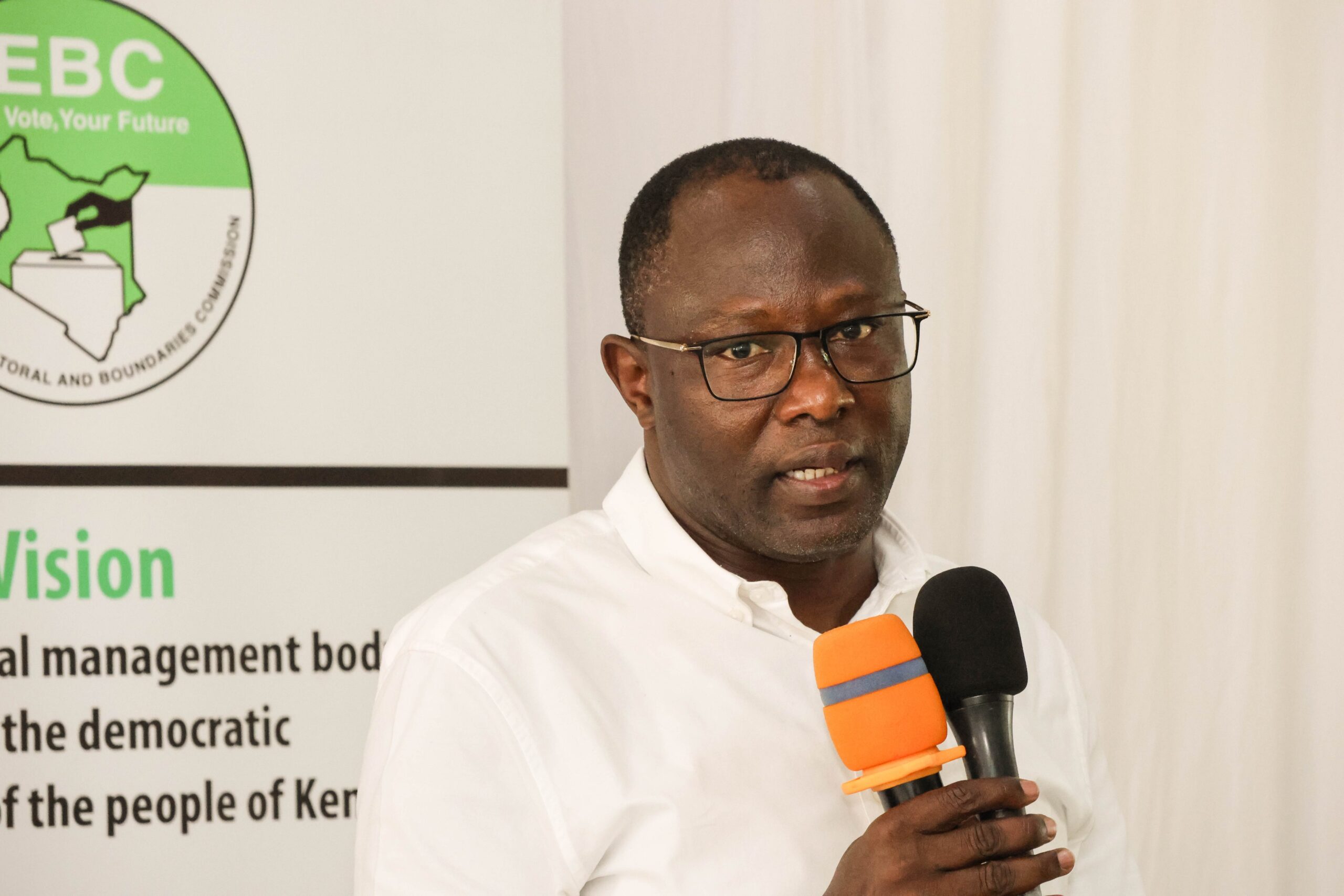
IEBC Chairperson Erastus Ethekon said the move safeguards both the integrity and preparedness of the 2027 elections while upholding constitutional principles.
“This decision reflects the commission’s commitment to constitutionalism while ensuring the integrity of the electoral process. Boundary delimitation is a cornerstone of Kenya’s representative democracy,” Ethekon said on Tuesday.
“It operationalizes the constitutional principle of one person, one vote, one value by ensuring that electoral units respond to population dynamics and evolving geographical realities.”
Under Article 89 of the Constitution, the IEBC is required to review electoral boundaries every eight to twelve years.
The last review concluded in 2012, meaning the subsequent exercise should have been completed by March 2024. The commission acknowledged that this deadline has already lapsed.
Delayed absence
A key factor behind the delay was the absence of commissioners following the exit of the previous IEBC team in January 2023.
The commission remained without commissioners until July 11, 2025, effectively stalling policy decisions and oversight functions critical to boundary review.
Although the IEBC secretariat undertook preparatory work from 2019—including situational analyses, pilot studies, GIS and geolocation system acquisition, and staff training—the lack of commissioners significantly slowed progress.
Another major obstacle is the judicial invalidation of the 2019 Kenya Population and Housing Census data in parts of northern Kenya.
In January 2025, the High Court in Garissa nullified the census results for Garissa, Wajir, and Mandera counties, affecting 14 of the 17 constituencies in the region.
The Court of Appeal later maintained the status quo pending further determination.
As a result, the IEBC said it cannot rely on the disputed census figures to calculate population quotas, a prerequisite for publishing a preliminary boundary review report and issuing a notice of intention to delimit electoral units.
“The commission requires a valid and legally binding census report to determine the population quota. Until the courts resolve the litigation around the census, our work will remain hindered,” Ethekon explained.
2-year exercise
The commission is also managing ongoing litigation from individuals and groups demanding that boundary delimitation be completed before the August 2027 elections, alongside other critical electoral obligations such as by-elections in Baringo, Malava, and Isiolo, continuous voter registration, institutional reforms, and full preparations for the next general election.
Taking into account guidance from the Supreme Court and the Attorney General, the commission concluded that a phased approach is the most legally defensible option.
Experts estimate that a full boundary delimitation exercise takes about two years, and Article 89(4) requires that any boundary review intended for a general election be completed at least 12 months prior to the polls.
With the 2027 elections approaching, completing the process by July 2026 is now practically impossible.
Under the phased plan, the IEBC will immediately scale up activities not affected by litigation, including geo-data collection and validation, capacity building, and acquisition of technical tools.
The commission will monitor the outcome of census-related court cases before deciding when to resume substantive delimitation. If necessary, activities may be further scaled down to prioritize delivering a credible 2027 election, with full delimitation resuming afterward.
The commission also addressed growing political and public interest in increasing the number of constituencies, stressing that this is constitutionally impossible.
Article 89(1) caps the number of constituencies at 290, which the IEBC cannot alter. Boundary reviews only affect names and boundaries, not the total number.
While the Constitution does not cap the number of wards, the County Governments Act sets a limit of 1,450 wards—a contradiction the commission says Parliament should resolve through legislative amendments.
“The decision to adopt a phased approach does not halt the delimitation process,” the IEBC said, adding that preparatory work will continue to ensure readiness once legal and constitutional conditions allow.