



















NAIROBI, Kenya, Jan 8 — The Green Thinking Action Party (GTAP) has proposed sweeping reforms to Kenya’s tea sector, including the introduction of a nationwide export traceability system, in a bid to restore global confidence, eliminate cartels and protect millions of smallholder farmers.
In a statement read by GTAP Deputy Secretary-General Harrizon Ochieng, the called on full traceability of all tea exports from factory to port to buyer within 90 days, with mandatory quality certification before shipment.
The party said the proposed system would help seal loopholes that have enabled adulteration, export fraud, payment defaults and market manipulation, which have hurt farmers and damaged Kenya’s reputation in key international markets.
“Kenya must know exactly which tea is being exported, by whom, to which market, and under what quality certification. Anything less is an invitation to cartels and criminal networks,” the party said on Thursday.
GTAP also wants a public register of all licensed tea exporters published within 30 days, alongside zero-tolerance enforcement against firms involved in falsification, adulteration or failure to pay farmers, including prosecution and permanent disqualification from the sector.
Transparency dashboard
In addition, the party proposed the creation of a public Tea Sector Transparency Dashboard and the commissioning of an independent forensic audit into factory deductions and exporter conduct, with findings to be made public.
To address persistent delays in farmer payments, GTAP called for the publication of a national tea payment timeline within 30 days to guarantee predictable remittances and transparency on factory deductions.
It also proposed emergency household cash-flow protection mechanisms in tea-growing regions facing income disruptions.
The party further proposed the appointment of a high-level Tea Market Recovery Envoy within 14 days to rebuild buyer confidence and reopen blocked markets, including Iran, which imposed a ban on Kenyan tea in 2023 following a controversial consignment linked to a Kenyan firm.
GTAP also wants tea formally designated as a Strategic Livelihood Sector within six months, supported by a permanent inter-agency oversight council to coordinate policy, enforcement and market protection.
The party warned that failure to implement structural reforms would leave farmers exposed to continued exploitation and market shocks.
“Confidence will not return through statements. It will return through systems, enforcement, transparency, accountability and measurable delivery,” the statement said.
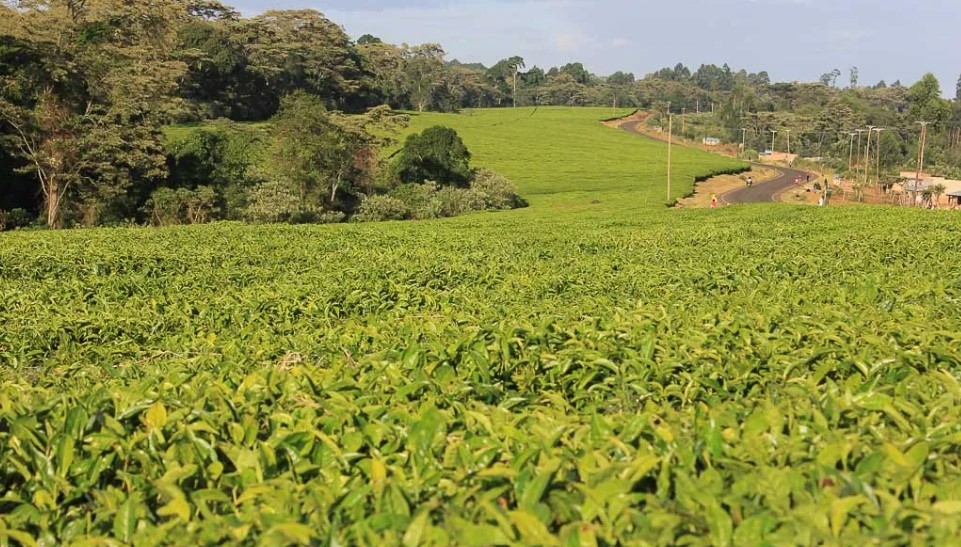
Kenya’s tea sector supports millions of smallholder farmers across counties such as Kericho, Nandi, Murang’a, Nyeri and Kiambu, and remains one of the country’s most important foreign exchange earners.
Before the suspension of exports, Iran was among Kenya’s top tea buyers. In August last year, Kenya and Iran agreed to form a joint committee to remove trade barriers in a move aimed at lifting the ban, following talks held during the 7th Session of the Kenya–Iran Joint Commission for Cooperation in Nairobi.
GTAP said it would closely monitor government action and pursue parliamentary, administrative and judicial remedies if institutions fail to act.