
















NAIROBI, Kenya, Jan 6 – Kenya is confronting mounting pressure on its food system as prolonged drought, weak domestic rice production, and a pending High Court ruling on duty-free imports converge to threaten price stability and access to staple foods.
Rice, whose consumption has risen steadily in recent years, has become increasingly important in urban households and in arid and semi-arid counties where climate stress has narrowed food choices.
Erratic rainfall and reduced water availability in irrigation schemes have disrupted production, exposing structural gaps between national demand and local supply.
Figures presented by the Government before the High Court show that Kenya consumes between 1.3 million and 1.5 million metric tonnes of rice annually, yet domestic production accounts for less than 20 per cent of that demand.
The deficit is expected to widen in early 2026. From January to June, national rice requirements are estimated at about 750,000 metric tonnes, while domestic production over the same period is projected at just 110,000 metric tonnes of paddy rice.
The Ministry of Agriculture and Livestock Development’s Contingency Emergency Response Action Plan 2025 projects a rice deficit of 381,225 metric tonnes by the end of January 2026.
These supply constraints are unfolding amid worsening food insecurity. By November 2025, about 1.8 million people in arid and semi-arid lands (ASALs) were experiencing high levels of acute food insecurity.
Government projections warn that the figure could rise to 3.5 million without timely intervention.
Climate data placed before the Court indicates erratic and below-average rainfall across key food-producing regions.
Irrigated rice schemes such as Mwea, Ahero and Bunyala have faced reduced water availability and rising production costs, while rain-fed areas have suffered failed or delayed planting seasons.
It is within this context that the Government’s decision to permit time-bound, duty-free rice imports has come under legal challenge.
In submissions before the High Court sitting in Kerugoya, State Counsel Samuel Kaumba, Erick Theuri and other government lawyers warned that blocking imports would exacerbate supply shortages and trigger sharp price increases, particularly for non-basmati long-grain rice.
The case, HCCHRPET/E009/2025, was filed by substituted petitioners James Kamau Murango and David Munyi Mathenge, who are challenging Gazette Notice No. 10353 of July 28, 2025, which authorised the duty-free importation of rice as a food security measure.
The State told the Court that the expiry of the Gazette Notice had already coincided with price volatility in the latter half of 2025, arguing that a complete halt to imports would further destabilise the market.
Government lawyers submitted that higher rice prices would disproportionately affect low-income households, particularly in informal settlements and drought-affected counties, where food accounts for the largest share of household spending.
“If rice prices rise, households shift consumption to maize, pushing up maize prices as well,” the State argued, warning of spillover inflation across staple foods.
The Government rejected claims that the import policy was intended to benefit private interests, insisting it was grounded in constitutional obligations under Articles 21 and 43, which guarantee the right to food.
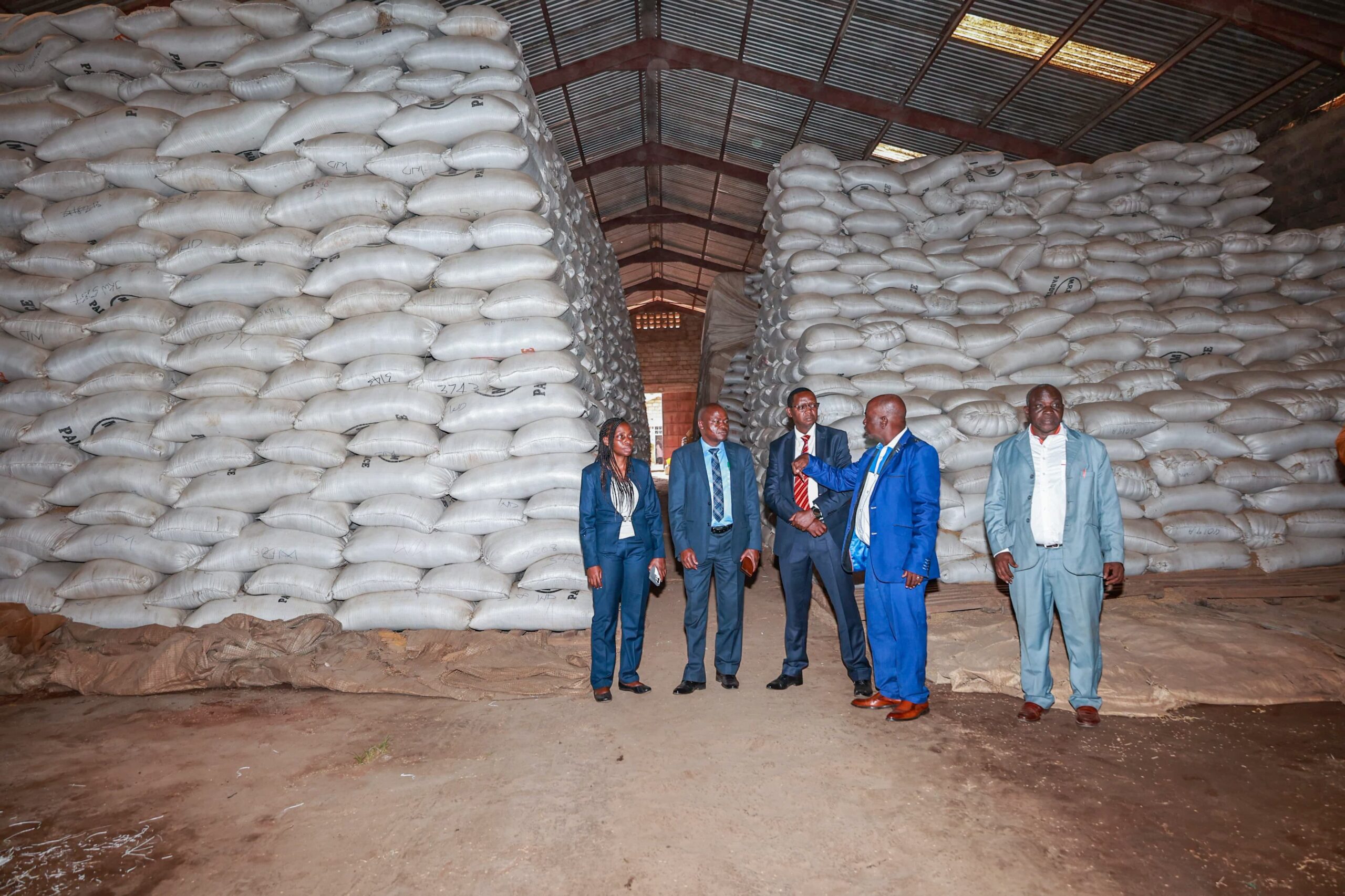
While acknowledging ongoing efforts to mop up local rice through the Kenya National Trading Corporation (KNTC), the State maintained that domestic purchases alone cannot bridge the national deficit.
“Local surpluses cannot be equated to national food security,” government lawyers submitted, urging the Court to consider food availability at a countrywide scale rather than within isolated production zones.
The State further cautioned against judicial overreach into executive policy space, citing Supreme Court and Court of Appeal precedents that emphasise restraint where government action is lawful, evidence-based and undertaken in good faith.