

















NAIROBI, Kenya Jan 11 – Transport and Roads Cabinet Secretary Davis Chirchir has inspected ongoing construction works along the Rironi–Mau Summit Highway, seeking to reassure the public that the multibillion-shilling road project is progressing after months of criticism that construction had stalled.
The highway, taunted to be one of Kenya’s busiest transport corridors linking Nairobi to Nakuru, Western Kenya and the wider East African region, has faced growing scrutiny over slow mobilisation, limited activity on site and worsening congestion.
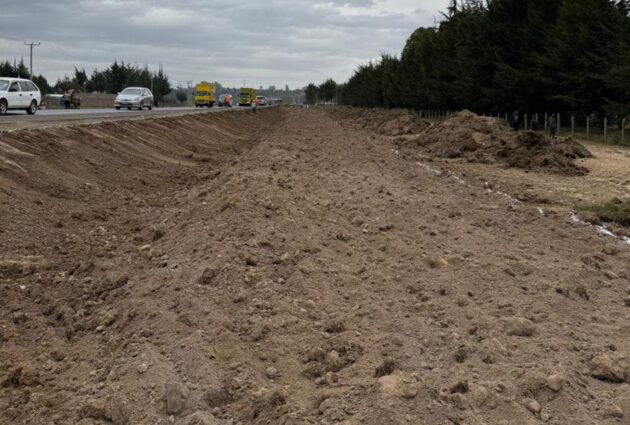
During the inspection tour, Chirchir said several contractors are now actively undertaking initial works across multiple sections of the route.
At Rironi, China Road and Bridge Corporation (CRBC) is handling the first five kilometres, while another five kilometres are under construction at Gilgil. Shandong Construction Company has commenced works on a 10-kilometre stretch at Kariandusi and an additional five kilometres at Mau Summit.
“These are just part of the initial works programme. I expect work to ramp up in more sites along the way in the coming days,” Chirchir said.
The Transport Cabinet Secretary said he was satisfied with the pace of work and praised contractors for what he termed swift mobilisation and visible progress on the ground, noting that the renewed activity reflects positive momentum in the delivery of the long-delayed infrastructure project.
“I expressed my satisfaction with the project’s progress and commended the contractors for their commendable pace of work and swift mobilisation on site,” he said.
The government views the dualling of the Rironi–Mau Summit Highway as critical to unlocking economic growth, easing transport bottlenecks and improving safety along a corridor that carries heavy commercial traffic, long-distance passenger vehicles and cross-border freight.
According to CS Chirchir, the expanded highway will significantly reduce congestion and accident risks, while facilitating smoother movement of goods and passengers between Nairobi, Nakuru, Western Kenya and neighbouring countries in the East African Community, thereby strengthening regional trade and integration.
Government claims the project will generate about 10,000 jobs, with a strong emphasis on youth employment and skills transfer, offering local communities both short-term income opportunities and long-term technical capacity building.
Last month, the High Court in Nakuru had been asked to halt the construction of the newly launched Rironi–Nakuru–Mau Summit Road project pending the determination of a petition challenging its legality and economic viability.
In the case filed on Friday, the Motorists Association of Kenya, together with three individuals Peter Murima, Joyce Wamahiu and Josphat Kamau were seeking interim orders to stop any construction or preparatory works on the multi-billion-shilling project.
The petitioners argue that the State’s plan to revive tolling through Public-Private Partnership (PPP) and Build-Operate-Transfer (BOT) arrangements amounts to surrendering control of a strategic transport corridor to private and foreign concessionaires.
Such long-term agreements, they contend, undermine national sovereignty and expose taxpayers to unfair financial burdens.
They further allege that the project is driven by political and commercial interests rather than genuine public need, claiming that both Kenyan and foreign elites stand to gain through toll revenue, long-term leases and logistical control.
According to the petition, successive public officials have intentionally stalled the expansion of the highway for more than a decade, creating a manufactured crisis to justify the privatisation of the road and the reintroduction of toll charges.