









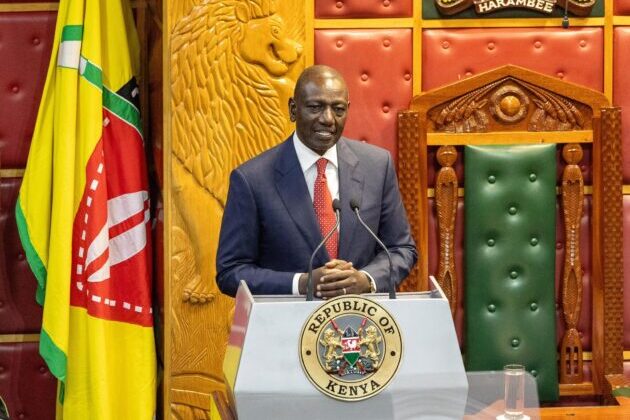

NAIROBI, Kenya Nov 24 – President William Ruto’s new Sh5 trillion investment plan to make Kenya a first-world country has sparked nationwide debate, just two years before the 2027 General Election.
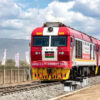
In his November 20, 2025 State of the Nation Address, President Ruto announced huge plans key among the construction of 50 mega dams, 2,500 km of dual highways, 28,000 km of new roads, 10,000MW more power, and irrigation for 2.5 million acres.
Four days later, he courted Malaysian companies to join the multi-trillion-shilling infrastructure drive during the country’s Prime Minister Anwar Ibrahim state visit.
“I have invited Malaysian private sector to participate in public private partnerships, including investments in road network expansion. There will be opportunities for investment,” President Ruto said.
But even as the President painted an optimistic future, Kenyans are questioning the timing, sincerity, and practicality of yet another national vision.
Many Kenyans are asking why a brand-new “first world vision” is emerging when two major blueprints the Vision 2030 and the Kenya Kwanza manifesto have not been fully implemented.
Analysts note that Vision 2030 was a long-term plan endorsed by Parliament and used by multiple administrations.
Its quiet disappearance has raised eyebrows, especially now that a new mega-plan is being introduced so close to an election cycle.
The Sh5 trillion announcement comes at a politically sensitive moment.
Opposition leaders claim this is not development planning it is early campaign messaging dressed as national ambition.
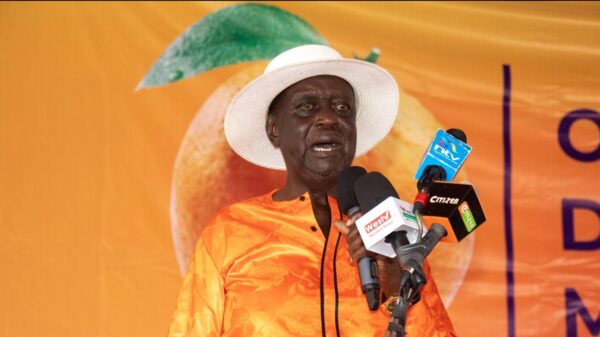
“We will not sit and watch Ruto leading us with his Rutotrepreneurship schemes,” Wiper Party leader Kalonzo Musyoka said.
Critics argue that if these mega-projects were core priorities, they would have been introduced in 2022 or 2023, not in the final half of the term.
Another emerging concern is continuity.
President Ruto’s opponents, including senior opposition figures, have publicly vowed to reverse several Kenya Kwanza policies if they win.
This puts the viability of the Sh5 trillion project at risk.
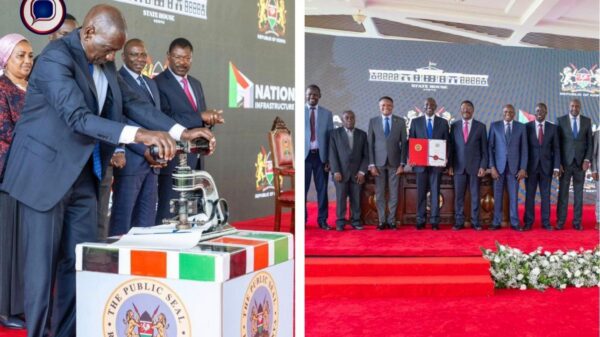
In his address, President Ruto explained that the money will come from two new financial vehicles the National Infrastructure Fund built from privatisation proceeds and the Sovereign Wealth Fund financed by natural resource royalties and long-term investments
However, critics argue that Kenya’s previous privatisation plans have often stalled, and natural resource revenues remain modest.
Others fear that these funds could increase public financial risks if not managed transparently.
While the President highlighted falling inflation, a stabilised shilling, rising exports, increased agricultural output and expanded digital services, many ordinary Kenyans still feel financially stretched.
Household spending remains high, unemployment is widespread, and small businesses continue to struggle.
To some listeners, the speech sounded more like a celebration of numbers than an honest reflection of daily hardships.
The President has since criticised journalists for “misrepresenting facts” after reports questioning the practicality and timing of his vision.