
















NAIROBI, Kenya, Sep 27 — The Government is exploring the use of analytics to predict learning outcomes and provide early interventions for learners.
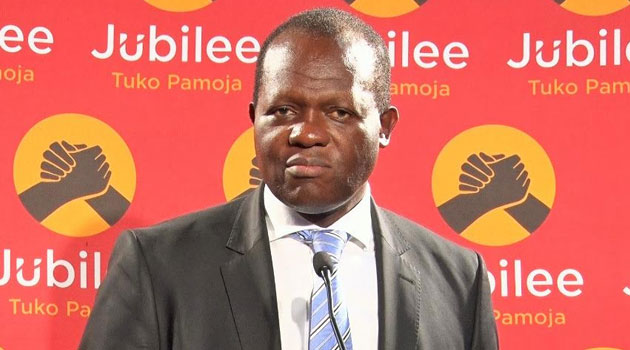
Director of Primary Education at the Ministry of Education, Stephen Barongo, said the ministry is considering the potential of Artificial Intelligence (AI) to create personalized learning platforms for students.
He explained that such platforms would not only tailor lessons to individual learners but also assist teachers with automated grading and administrative tasks.
Learning analytics, a data-driven system, allows educators to assess performance, refine teaching methods, predict outcomes, identify learning patterns, enhance engagement, and personalize instruction.
Among its key advantages is the ability to support adaptive learning through real-time feedback, enabling timely interventions and tailored support for students.
Barongo noted that the government is mindful of the rapid pace of technological innovation and is actively examining how emerging tools could further transform the education sector.
Speaking in Nairobi during the official opening of the National Tech Summit organized by EdTech East Africa, he added that the government is also exploring how virtual and augmented reality could deliver immersive and engaging classroom experiences.
Tech support for public education
He underscored the importance of public-private partnerships with organizations such as EdTech East Africa in building a robust technology ecosystem across all levels of public education.
EdTech East Africa describes itself as a community of innovators working to improve access, quality, and relevance in education, with the goal of fostering inclusive, effective, and resilient learning across the region.
“This is not a journey the government can take alone. The Ministry has laid down the infrastructure, the policy framework, and the data backbone. What is needed now is innovation, creativity, and alignment,” Barongo said, urging EdTech players to design solutions that integrate seamlessly with the country’s education system.
“The government needs your content to align with the competency-based curriculum. It needs your solutions to be sustainable, scalable, and equitable, reaching every corner of the country,” he added.
EdTech East Africa CEO Jeniffer Otieno said the organization’s ultimate goal is to foster more inclusive and resilient education systems.
She emphasized that equitable deployment of technology is essential, noting persistent challenges in digital infrastructure, especially in schools with unreliable electricity and limited connectivity.
“Schools may have power, but it is not reliable. Connectivity remains a challenge. That is why stakeholders must come together as a community,” Otieno said.
She highlighted efforts by telcos and cooperatives to expand infrastructure access, stressing the need for collaboration to drive solutions nationwide.