












NAIROBI, Kenya Mar 3 – Research Experts have been urged to explore of opportunities in the blue economy sector to tackle unemployment, promote environmental conservation, foster diversity, inclusion and ensure food security.
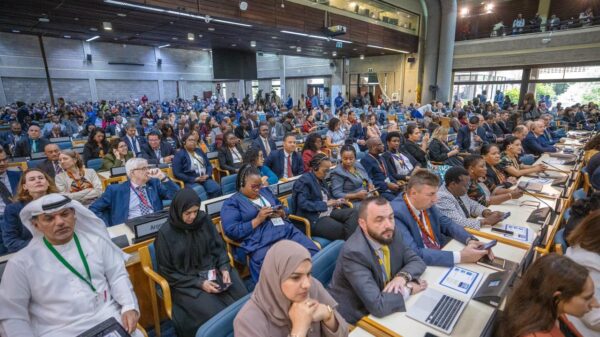
This call was made by educationists, innovators, industry leaders and policymakers who gathered in Mombasa and emphasized the need to engage in discussions centered on entrepreneurship and innovation for a resilient blue economy.
According to Mount Kenya University’s Deputy Vice Chancellor Academics & Research Affairs DR Mercyline Kamande, the blue economy has a huge, value potential and capacity to solve the problems facing the coastal area.
“This workshop is part of our strategic plan (2025-2029) which aims to decentralize research dissemination, ensuring that students are trained to respond to regional challenges through research and innovation,” she said.
Stanley Ndege, the Secretary of Shipping & Logistics at The Ocean & Blue Economy Office said that there have been progressions in the blue economy due to legislations that have been passed by parliament.
He said that there is a huge potential within the blue economy, which encompasses various activities including those on land, shipping, and fishing. Additionally, he urged university students to initiate a programme in Maritime Law.
“There are opportunities for MKU to offer legal training in piracy, illegal fishing and maritime dispute resolutions. These initiatives will close the training and professional divide in the prosecution of crimes committed on the seas and oceans. Maritime logistics research is also a prime opportunity that bolsters the blue economy,” he explains.
Furthermore, he noted, as Kenyans examined research gaps and sought innovative solutions for the blue economy, it is crucial to think boldly and collaborate effectively.
“We must leverage our combined knowledge to create a robust blue economy that protects our ocean heritage for the benefit of future generations. By uniting our efforts, we have the potential to elevate Kenya to the forefront of sustainable ocean resource management, all while guaranteeing that our communities enjoy the rewards of this transformation,” Chai said.
Chai called for improved maritime infrastructure to support deep-sea fishing and reduce dependency on imported fish products.
“The economic potential of tuna fishing is huge, worth USD20 billion (Sh2.6 trillion) globally, yet Kenya underutilizes its Indian Ocean resources,” he notes.
Zipporah Nyachwaya from the School of Business and Economics at MKU delivered an analysis on Climate Finance and Entrepreneurial Opportunities within the Blue Economy to promote sustainable growth in the face of climate change.
She called for deliberate financial interventions and legislative changes to capitalize on the blue economy while tackling climate dangers.
“Using regulatory-driven blue bonds and financial incentives can boost private investment in blue finance. It is important also to strengthen regulatory frameworks with blue carbon plans and international funding channels to support healthy marine economies,” she added.
She proposed mobilization capital through blended finance mechanisms, strengthening environmental, social, and governance oversight, and elimination of harmful subsidies that hinder conservation initiatives to expand sustainable financing.
She also described a strategy for using climate finance to tap into blue economy entrepreneurial opportunities, arguing for sustainable growth in the face of climate change’s critical concerns.
“Strategic investments in capacity building, skills training, and coastal sustainable livelihood projects are essential for community engagement. This technique empowers local communities to participate in and benefit from the blue economy,” said Nyachwaya.
According to the National Maritime Transport Policy, more than 90 per cent of Kenya’s international trade is carried out by sea, noted Conrad Ochego from MKU’s School of Business and Economics.
“Cargo throughput at the Port of Mombasa rose from 33.88 million metric tonnes in 2022 to 35.98 million in 2023 while container traffic grew 11.9PC to 1.62 million Twenty-foot Equivalent Units (TEUs) in 2023,” he said.
He also stressed the importance of technology, recommending sustainable fuels, energy-efficient boats, and digital technologies to improve operating efficiency.
“There is a need for stakeholder collaboration to promote maritime logistics sustainability in the future,” he added.
He made several strategic recommendations, including integrated transport networks to improve connectivity, port infrastructure improvements to boost efficiency and competitiveness, and sustainable shipping practices through innovation and regulation.