








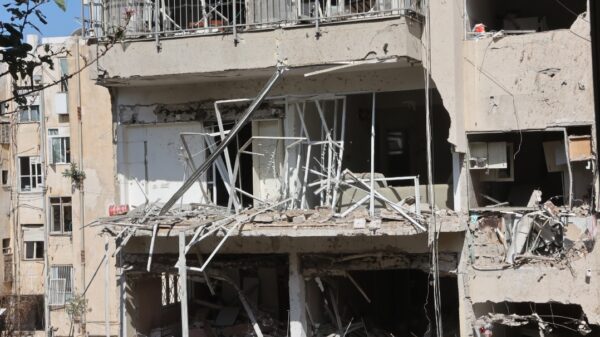




Africa is experiencing worsening environmental problems that are endangering human civilization and this has created a decoupling effect. This situation is characterized by declining natural resources and increasing human consumption. The rapid growth of Africa’s population is a driving force towards Africa’s vulnerability to climate change effects brought by technology and urbanization to meet daily human needs.
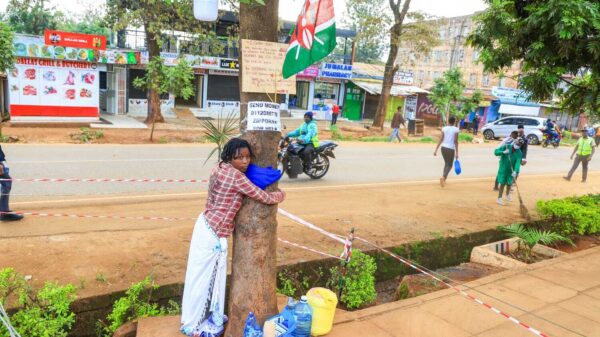
Africa has one thing in common with the rest of the world: the certainty that rising temperatures will exacerbate existing problems and vulnerabilities. The climate crisis affects everyone, girls and boys in vulnerable communities are taking the strongest hit, even though they are not responsible for it. Nearly 1 billion children live in countries that are at high risk of climate change and environmental hazards.
As a way forward of these climate change bottlenecks, the world community needs to understand the concept of green economy as indispensable strategy to reverse the trends and ensure the safety of humanity and environment. Green economy adoption should arise from the consensus that only collective economic adjustments on the global scale can mitigate the lethal consequences of climate change and environmental degradation.
The idea of transitioning to green economy was fundamental to the 2013 United Nations Conference in Rio de Janeiro where the ultimate document indicated how each country could determine transition in accordance with the national plans, strategies and priorities for sustainable development and poverty eradications. Therefore, this concept of green economy presents a far-reaching transition to environmentally friendly and resources-efficient technologies that will reduce emissions and mitigate climate change impacts while at the same time working towards reducing environmental degradation and resources depletion. This will improve human well-being and social equity with reduced environmental risks and ecological scarcities.
Green growth has great potential in providing economic opportunities as well as growth potential for the various economies which are heavily reliant on natural resources. The key sectors for green economy include agriculture. Fisheries, water resources, forests and energy. These are primarily natural capital which can be developed to another level. Manufacturing, construction works, transport, tourism and waste management need a lot of investment in energy and resource use efficiency and working with nature can lead to cost-effective solutions and multiple benefits.
To achieve a driving green growth and climate finance solution for Africa continent. Africa needs to promote effective climate finance in order to build an evidence base on climate finance delivery service and management through a number of country case studies, how climate finance is mobilized and accessed, managed and then spent in ways that effectively reduce vulnerability, promote development and gender equality, and reduce greenhouse gases represents a major challenge for national governments as well as the international community.
The tracking of this finance, at both international and national level, faces the problem that climate-related actions are difficult to identify with precision, and this lack of clarity leads to uncertainty overestimates spending.
Vi Agroforestry a Swedish development organisation whose mission is fighting poverty and climate change together has in its strategies including advocacy strategy some solutions towards these global challenges. The National agroforestry strategies developed within the 3 East African Countries (Uganda, Kenya, Rwanda and Tanzania) aims first at popularising agroforestry as the one of the very important sustainable agriculture practices towards combating the threats of climate changes and secondly to support implementation of sustainable agriculture across the region. If the ratified strategies are implemented by individual countries even the organisations popular movement on the local to global campaigns on ensuring accountability of resources including climate funds can be achieved and deliver the intended results; including East African smallholder farmers would have found the climate fund.
It is a call to East African states to implement the Agroforestry strategies that they have ratified, or they are in the final processes of ratification. In that case the States through their appropriate Ministries shall have the knowledge and justification to improve the volume of resources channelled to support climate actions. The Civil Society organisations in turn shall play their mandates of holding states accountable on the resource allocation on climate action, monitoring expenditures and performances of the resources.
Authored by Michael Ariebi | ECCR Uganda Country Office Vi Agroforestry