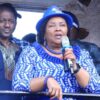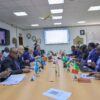














NEW YORK, US, Mar 8 – Representatives of different United Nations (UN) member states applauded severally during the presentation on widows by the wife of Deputy President Rigathi Gachagua, Pastor Dorcas, during a side-event at the Commission on the Status of Women (CSW67) held at the United Nations in New York on Tuesday.
Pastor Dorcas shared passionately about her life when she was brought up by a widow from the tender age of seven years. She reminded those present that widowhood was not a choice but a status brought about by life circumstances.
She urged the different participants to accelerate interventions that would empower millions of widows across the world, saying they face discrimination, loss of property and land, and stigmatization especially from close family members.
Pastor Dorcas also spoke of the unique nature of widows in Kenya, and Africa, who come from large polygamous families.
“We have special widows in my country who come from a polygamous background, and the death of the man leaves behind 10 or 12 widows, and tens of children who suffer economically, socially, and psychologically,” said Pastor Dorcas.
She was speaking during the UN side event hosted by the Global Fund for Widows to ‘address rural widowhood’. Pastor Dorcas asked the world not to pity widows but to think of innovative and practical interventions for the unfortunate events that happen to them.
“A widow is not a beggar, but a woman who has lost the opportunity of having a man by her side,” she said.
She noted that during some of the CSW67 meetings, there were hardly any discussions around widows, which she termed a form of discrimination against them (widows). The Office of the Spouse of the Deputy President (OSDP) in Kenya seeks to include widows in in the top agenda, which includes, widows, orphans, boy child and persons with disabilities.
“I believe widows must be at the centre of the most violated, harassed, and who experience the worst in human dignity in following with the UN commitment to “leave no one behind,” said Pastor Dorcas.
Others on the panel included the Permanent Representative of Costa Rica to the UN, Ambassador Maritza Chan; Malawi’s Minister of Gender and Community Development, Jean Muonaowauza; UN Women Moderator Monjurul Kabir; Global Fund for Widows Founder Heather Ibrahim; and Polish Minister Magdalena Butrymowicz.
Ms. Ibrahim shared some financial success stories from the widows the Global Fund for Widows had helped finance, some of whom reside in Kenya, who also benefited from training in sustainable investment and best money management practices.
“We track the performance of widows who form groups in savings, capital, and credit score. Through a survey, we found a 2027% monthly increase in income for a widow, a 730% increase in their annual savings, a 461% increase in medical spending because they can afford to go to doctors, a 200% increase in education as they send their children to school, and a 58% increase in food-related expenses,” she said.
The participants also heard firsthand accounts of ‘Ukraine War Widows,’ including one about a young woman whose husband died three days after their wedding.