










NAIROBI, Kenya, May 19 — The government and transport sector stakeholders have agreed to suspend the nationwide fuel strike for one week following high-level negotiations aimed at easing tensions over soaring diesel prices that had paralysed public transport across the country.
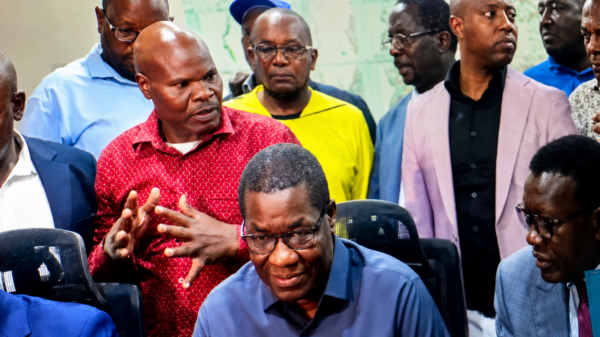
The breakthrough, announced Tuesday after hours of consultations between government officials and leaders of the transport sector, comes a day after chaotic scenes at Nairobi’s Transcom House where matatu operators publicly rejected claims that a deal had already been reached.
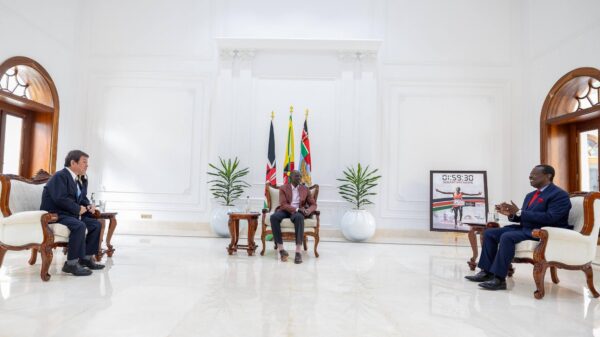
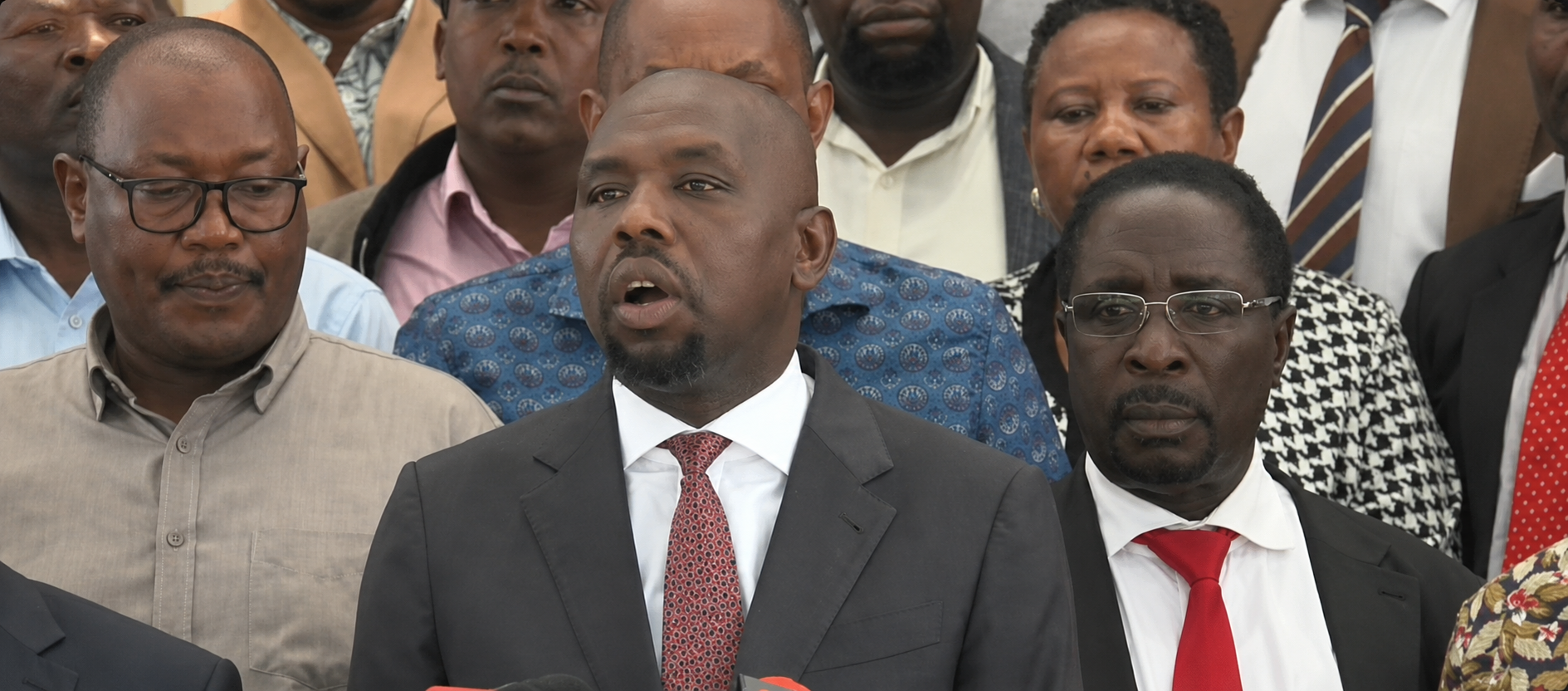
Interior Cabinet Secretary Kipchumba Murkomen said the suspension would allow further negotiations on fuel pricing and broader concerns affecting the public transport sector.
“The government is also fully cognizant of its responsibility to protect Kenyans from the high cost of living,” Murkomen said.
He noted that the government had already reduced VAT on petroleum products by eight percent and used the Petroleum Development Levy to stabilize fuel prices.
“Despite these interventions, the prices still remain high. Consequently, the government last night took additional measures to remedy the situation by reducing the price of diesel by Sh10 per litre,” he said.
Murkomen added that after Tuesday morning’s consultations, both parties agreed to suspend the strike until May 26 to allow fresh talks.
“That in the interceding period between now and Tuesday 26th May 2026, the strike that is ongoing is suspended for a period of one week to provide an avenue for peaceful negotiations,” he said.
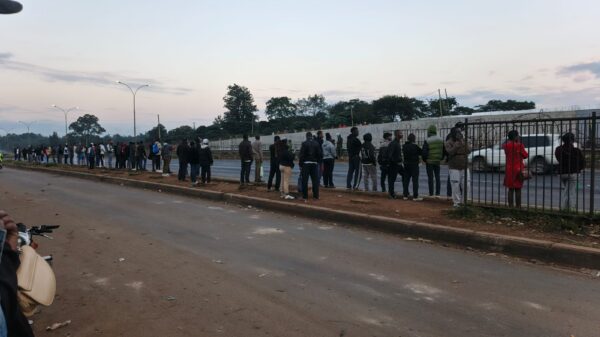
The strike, organized by the Transport Sector Alliance, had crippled public transport services in major towns including Nairobi, Nakuru, and Mombasa, leaving thousands of commuters stranded as operators protested sharp increases in fuel prices.
Continued talks
Stakeholders confirmed they had agreed to temporarily call off the industrial action, although they maintained that their core demands had not yet been met.
A representative of the alliance said operators were giving dialogue a chance despite dissatisfaction with the current diesel price reduction.
“We have just had a breakthrough, not because we are satisfied but because we want to give negotiations a chance,” the official said.
“If this is not taken seriously within the seven days we have given, the strike will be back.”
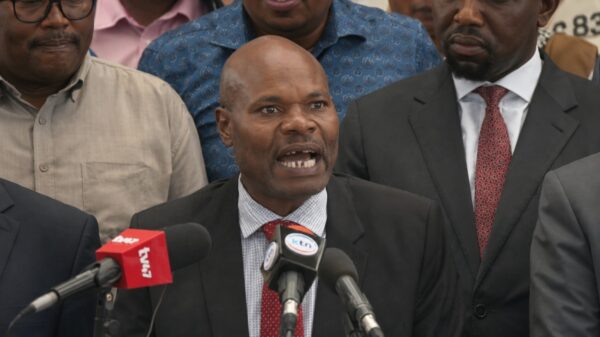
Federation of Public Transport Sector CEO Kushian Muchiri urged drivers and conductors to resume operations while talks continue under the Federation of Public Transport Sector.
“Today, as much as we would have been happy to say that we got the Sh46 that we were seeking, we are also glad that at least negotiations have started in earnest,” Muchiri said.
He added that operators expected meaningful engagement from government going forward.
Matatu Owners Association president Albert Karagacha directed operators to resume work, saying a joint committee would be formed to address broader challenges facing the PSV sector.
The Matatu Owners Association said the committee would review issues including insurance costs, traffic enforcement, and corruption within the sector.
Energy Cabinet Secretary Opiyo Wandayi described the agreement as a major breakthrough and defended government efforts to cushion Kenyans from rising fuel costs driven by global market pressures.
“Let me start by confirming that indeed we have got the white smoke,” Wandayi said.
Net importer
He noted that due to geopolitical instability in the Middle East and Kenya’s status as a net importer of petroleum products, the government had taken deliberate measures to stabilize prices.
According to Wandayi, the government spent Sh13.9 billion across two fuel pricing cycles to subsidize petroleum products, with the latest Sh10 diesel reduction costing taxpayers Sh2.7 billion.
Nairobi Governor Johnson Sakaja welcomed the suspension of the strike, urging a swift return to normal transport operations.
“There are sick people who need to go to hospital. There’s farm produce that needs to be transported,” Sakaja said.
“We have found a way forward together. We’ll have very high-level deliberations.”
The agreement marks a sharp turnaround from Monday night’s tense standoff, when transport operators openly contradicted Wandayi during a live briefing and insisted no agreement had been reached.
The fallout exposed divisions between the government and matatu operators, with stakeholders maintaining that the Sh10 diesel reduction fell short of their demand for a Sh30–Sh46 per litre cut.
The dispute had triggered nationwide disruptions, fare hikes, and demonstrations along key transport corridors, intensifying pressure on the government amid rising cost-of-living concerns.