

















NAIROBI, Kenya, May 18 — The government faced an embarrassing setback Monday night after matatu operators publicly rejected an announcement by Energy Cabinet Secretary Opiyo Wandayi suggesting a breakthrough had been reached in talks over rising fuel prices.
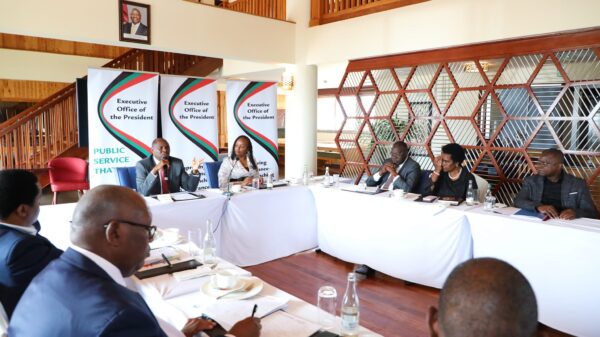
The dramatic fallout unfolded at Transcom House in Nairobi following hours of negotiations between government officials and transport sector representatives aimed at resolving a nationwide PSV strike triggered by soaring fuel costs.
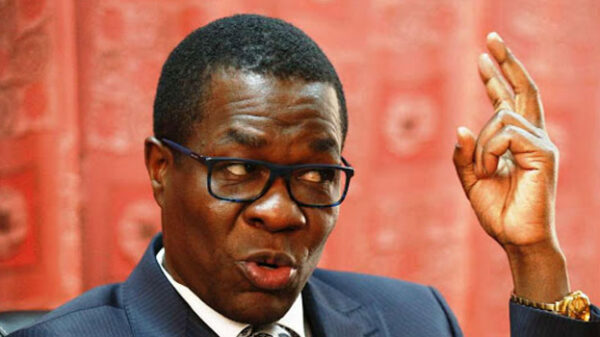
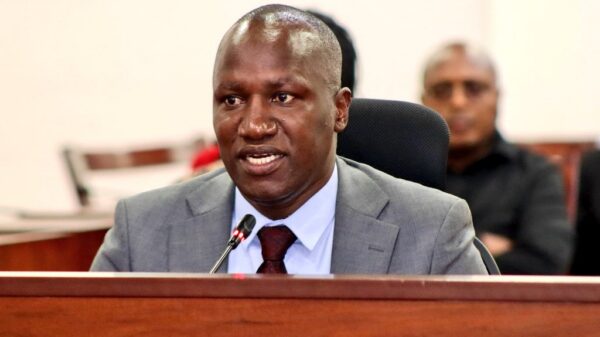
Addressing the media alongside Transport CS Davis Chirchir and other senior officials, Wandayi expressed confidence that progress had been made, particularly on concerns over the price gap between diesel and kerosene.
“We have come to an understanding that for prudence purposes… we are going to bridge the gap between the prices of diesel and kerosene,” Wandayi said, indicating diesel prices would drop while kerosene prices rise.
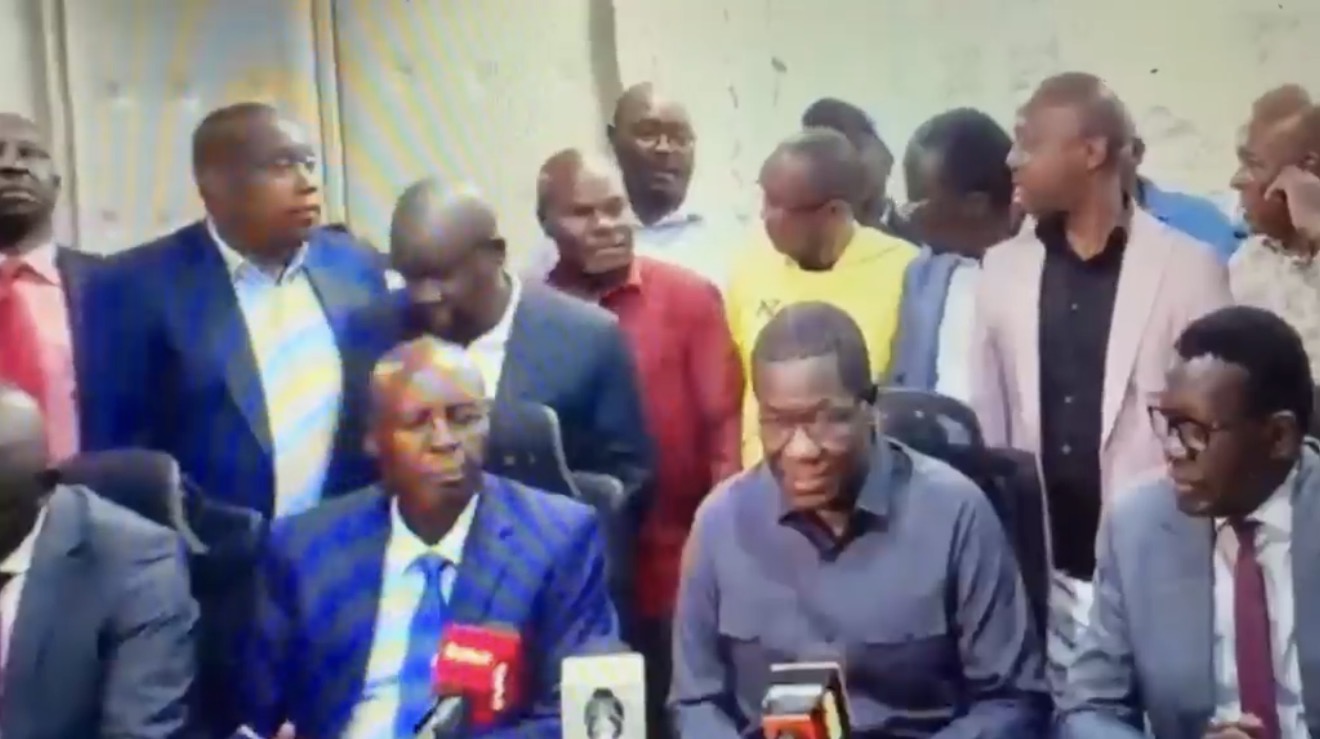
However, moments after his remarks, matatu sector representatives contradicted him in full view of cameras, insisting no agreement had been reached.
“Yes, I want to say I am sorry. There are things I do not agree here,” one official said.
“We did say that we are going to communicate here clear and open that we have not agreed.”
Operators said the government had only agreed to a Sh10 reduction in diesel prices, far below their demand of between Sh30 and Sh46 per litre.
“With all due respect… we did not agree on anything,” the official added.
The rejection created awkward scenes as government officials exited while matatu leaders continued addressing the press, effectively taking over the briefing.
Association of Matatu Transport Owners chairperson Kushian Muchiri sought to clarify that discussions had only yielded consensus on curbing fuel adulteration.
“On the issue of diesel prices, that one we have not agreed,” Muchiri said, adding that further talks were expected.
He urged operators to keep vehicles off the road, signalling the strike would continue.
Matatu Owners Association president Albert Karagacha said operators were under severe financial strain.
“We are paying our loans… we’ve not gotten any solution,” he said, warning the strike would persist until meaningful action is taken.
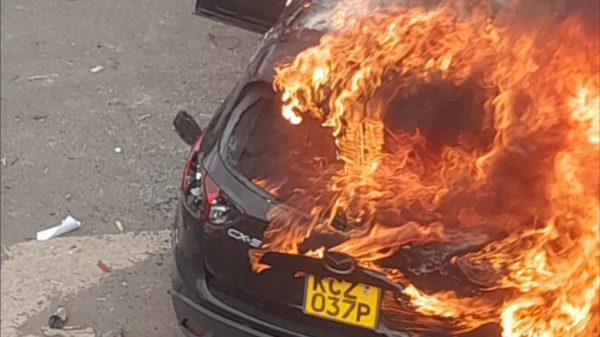
The impasse has left transport paralysed in several towns, including Nairobi and Nakuru, with commuters stranded, fares rising and protests disrupting key routes.
The public contradiction of Cabinet Secretaries has now raised fresh questions about the government’s handling of the fuel crisis and its ability to manage the growing standoff with the transport sector.