













March 19 – Qatar has ordered Iranian military and security attachés to leave the country within 24 hours after missile strikes caused extensive damage to its key gas facility at Ras Laffan, marking a sharp escalation in tensions across the Gulf.
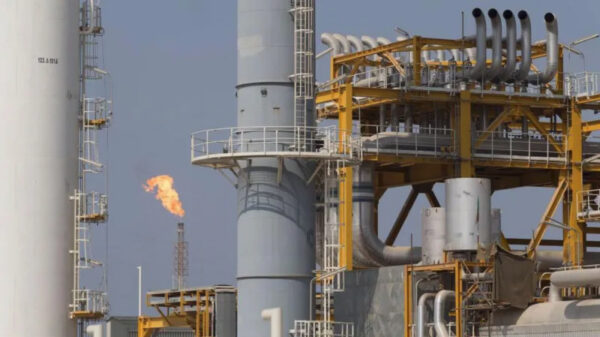
State-owned QatarEnergy said Iranian missiles struck the Ras Laffan industrial complex—home to the world’s largest liquefied natural gas (LNG) processing facility—triggering sizeable fires and significant destruction.
Emergency teams were deployed immediately, with the company confirming that all personnel were safe and accounted for, and no injuries had been reported. The fires were later brought under control.
Qatar described the attack as “brazen” and a direct threat to its national security and regional stability, warning that it reserves the right to respond.
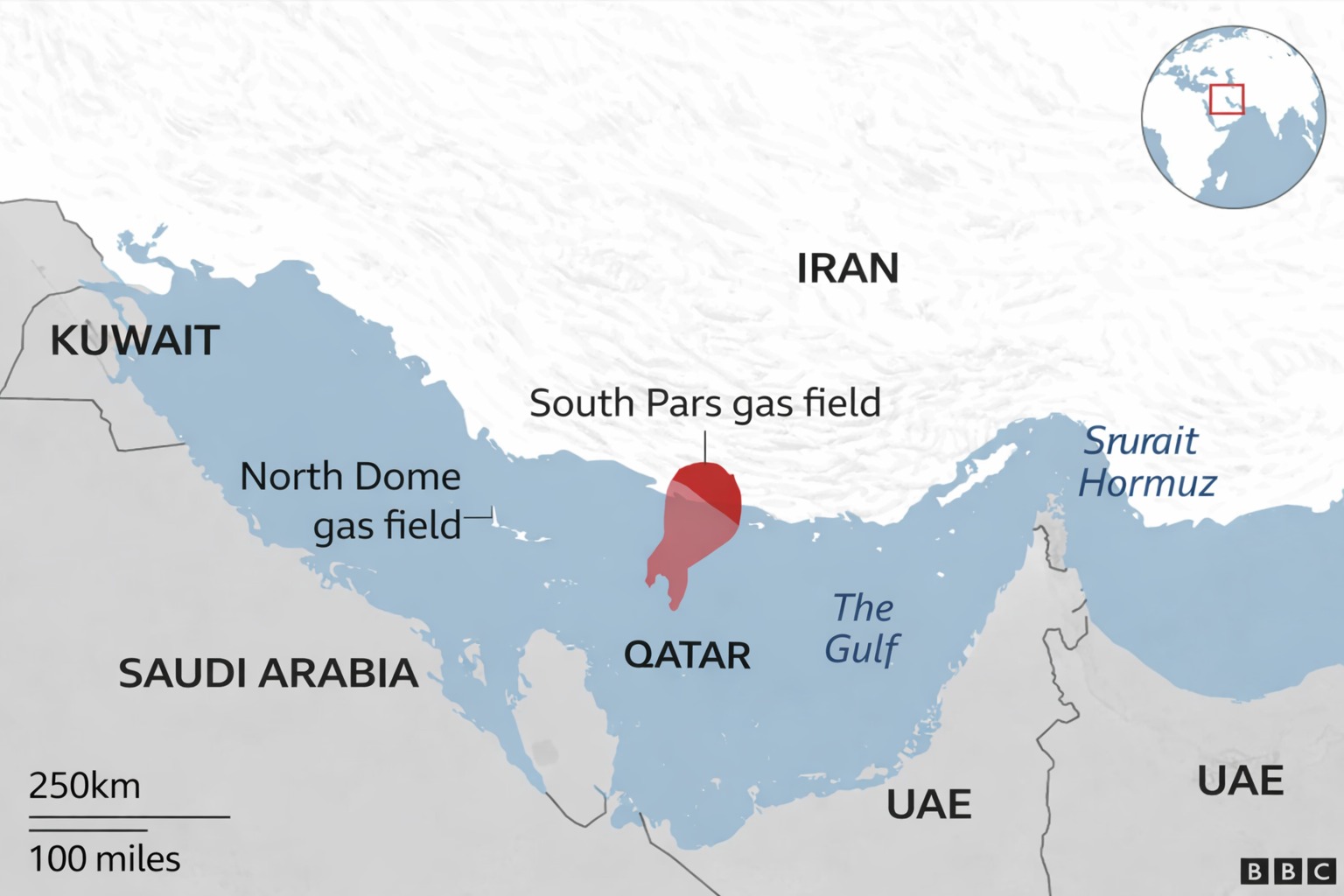
The strike is part of a widening wave of Iranian retaliation across the Gulf following earlier attacks on Iran’s South Pars gas field, which Tehran blamed on Israel. Israeli officials have been quoted in local media acknowledging responsibility, although there has been no formal confirmation.
The fallout has spread across neighbouring states. In the United Arab Emirates, authorities said operations at the Habshan gas facility in Abu Dhabi had been suspended after missile debris fell near the site following interceptions. No injuries were reported.
Saudi Arabia also said it intercepted drones and ballistic missiles targeting energy infrastructure in its eastern region. Authorities confirmed that at least five drones were destroyed, while falling debris from an intercepted missile injured four people near Riyadh.
Riyadh condemned the attacks, warning that “the little trust that remained in Iran has been completely shattered.”
The developments underscore a dangerous escalation in a conflict that has intensified since the United States and Israel launched coordinated strikes on Iran on February 28. Tehran has since responded with attacks targeting Israel and US-allied countries in the Gulf.
The energy sector has emerged as a central battleground. Earlier strikes on Iran’s South Pars—part of the world’s largest natural gas field shared with Qatar—sent global oil prices soaring to nearly $110 per barrel.
South Pars accounts for a significant portion of Iran’s gas production, and any disruption to the broader field—linked to Qatar’s North Field—raises concerns about global energy supply.
Iran had earlier warned it could target facilities in Qatar, Saudi Arabia and the UAE in response to the South Pars attack. President Masoud Pezeshkian cautioned that the conflict could spiral into “consequences beyond control.”
With Qatar supplying roughly 20 percent of the world’s LNG—much of it destined for Europe—the damage at Ras Laffan is likely to have far-reaching implications for global energy markets.
As hostilities intensify across multiple fronts, including Israel’s ongoing conflict with Iran-backed Hezbollah in Lebanon, the region appears to be edging closer to a broader and more destabilising confrontation.