












NAIROBI, Kenya, Mar 10 — ODM leader Oburu Oginga has said the broad-based framework with President William Ruto’s UDA began long before the March 7, 2025, 10-point agenda deal and will remain in place until 2027.
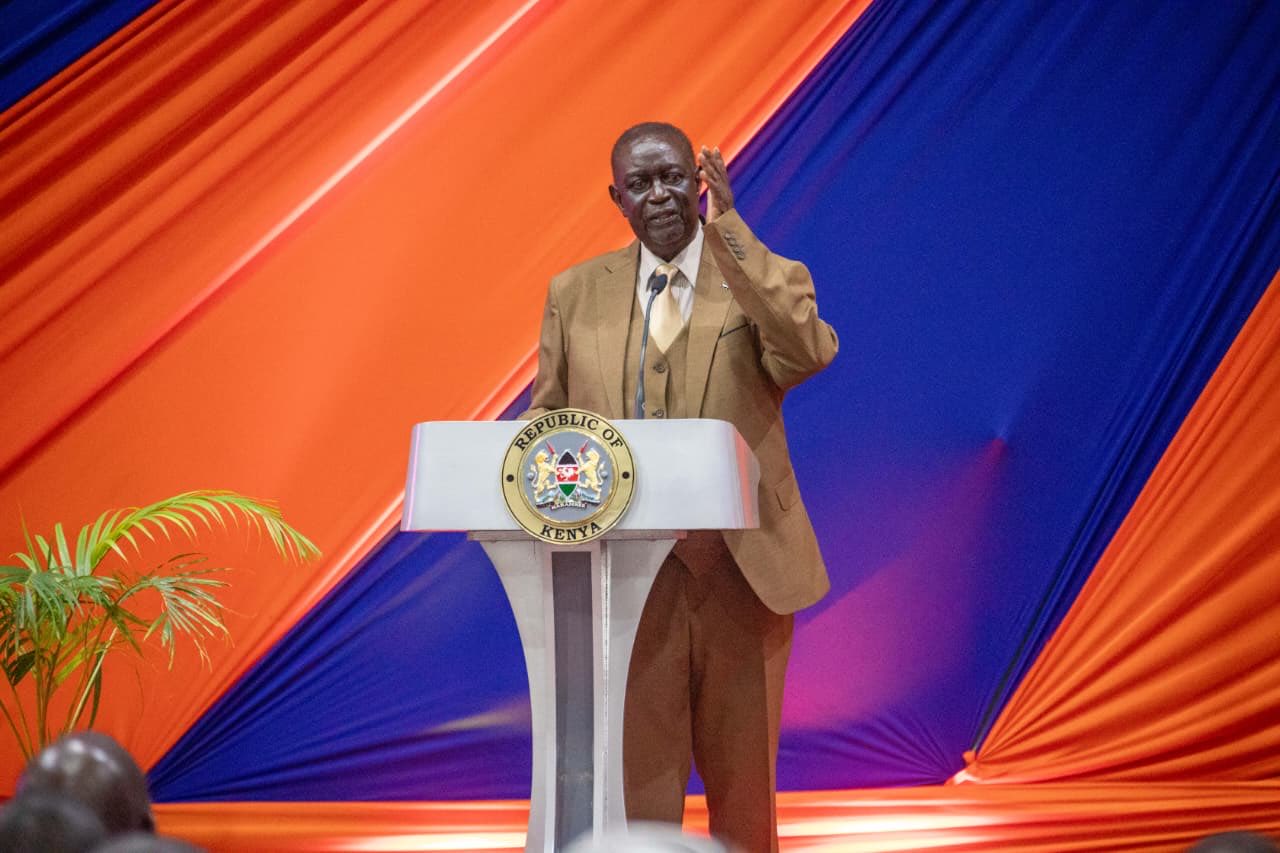
Speaking during a joint parliamentary session that received a report on the implementation of the 10-point agenda, Oburu said the political cooperation underpinning the current “broad-based government” had already been established before the agreement between Ruto and late ODM leader Raila Odinga was formalized.
“The country has been waiting for this,” he told lawmakers.
“But there are people who thought that the report of the 10-point agenda formed the foundation of the broad-based government. I want to inform the country that the broad-based arrangement started long before the 10-point agenda came.”
He said the framework should not be viewed as dependent on the 10-point agreement, explaining that the agenda was designed to strengthen an already existing political understanding between the two sides.
“The broad-based arrangement cannot depend on the 10-point agenda,” he said. “The agenda was meant to reinforce it.”
Oburu dismissed suggestions that the framework would come to an end following the March 7 anniversary of the agreement between Ruto and Odinga, saying the date was intended only as a milestone to review progress.
Governance reforms
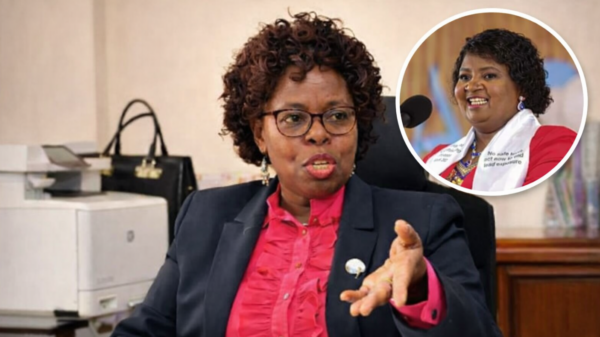
The 10-point agenda committee, chaired by Agnes Zani, has been reviewing progress on reforms and development priorities agreed upon by both sides.
Oburu said the measures outlined in the agenda address issues affecting the daily lives of Kenyans, including governance reforms, police accountability, and economic development.
He called for improved police professionalism while emphasizing adherence to the law during demonstrations.
“If our Constitution allows demonstrations, let them be allowed to demonstrate,” he said.
“But they must do so according to the law.”
At the same time, he acknowledged the loss of life during past protests and said the government had a responsibility to support affected families.
“You cannot compensate life,” he said. “But support can help bring some comfort to those who lost their loved ones.”
Oburu also highlighted infrastructure development as a key pillar of the agenda, describing it as a potential “game changer” for Kenya’s economy.
He cited projects such as the proposed extension of the Standard Gauge Railway (SGR) toward Kisumu and the western border, along with expanded road networks linking Kenya to neighboring countries.
The ODM leader further called for greater investment in northern Kenya, saying historically marginalized regions have untapped potential in minerals, livestock, and water resources.
“For many years the country concentrated on what were called high-potential areas and left the north behind,” he said.
“Yet there is enormous wealth there — minerals, livestock, and water resources that can transform livelihoods if the region is opened up through infrastructure.”
Oburu urged continued commitment to the agenda, saying many of the reforms underway would extend beyond the life of the current political arrangement.