







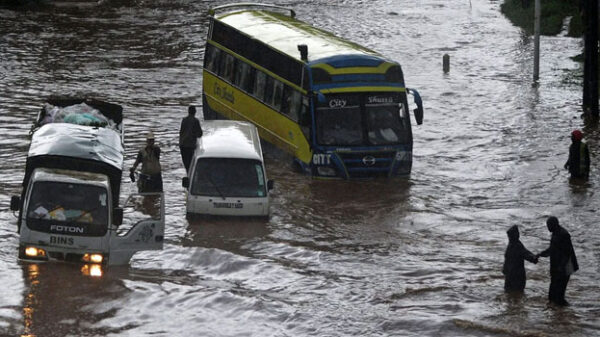







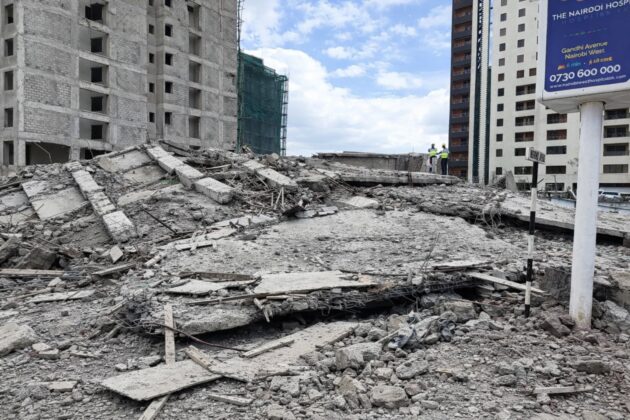

NAIROBI, Kenya Mar 13 – Kenyans have been urged to stay alert and take extra safety precautions as the ongoing March–April–May long rains increase the risk of buildings and infrastructure collapsing across the country.
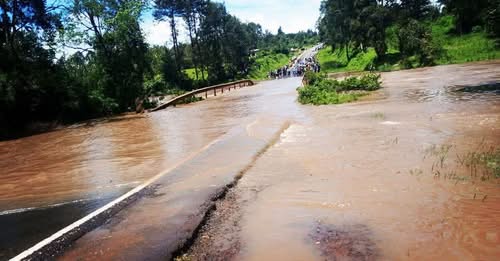
The Ministry of Health on Friday issued a public health advisory warning that prolonged rainfall can weaken building foundations, trigger flooding and landslides, and damage structures such as roads, bridges, and houses.
According to the ministry, these conditions significantly raise the risk of injuries, deaths, and other public health emergencies if safety measures are not observed.
“Prolonged rainfall can weaken building foundations, cause flooding and landslides, and damage structures such as buildings, roads and bridges, increasing the risk of injuries and loss of life,” said Mary Muthoni Muriuki, the Principal Secretary for Public Health and Professional Standards.
She urged Kenyans to remain vigilant during the rainy season and to avoid staying in buildings that show signs of structural weakness.
“Public safety is a shared responsibility. Prompt reporting of hazards and adherence to safety guidance can save lives,” Muriuki said.
The ministry advised residents to avoid occupying buildings that appear cracked, flooded, or structurally unsafe during the heavy rains.
Residents are also urged to contact emergency responders including police, fire services, or county disaster response teams.
“Do not attempt risky rescue operations unless it is safe to do so. Allow trained responders to conduct rescue operations,” the advisory states.
The ministry warned that floods and collapsed structures may expose residents to contaminated water and debris, increasing the risk of waterborne diseases.
Residents have therefore been advised to avoid contact with floodwater, ensure access to safe drinking water, and maintain proper sanitation.
They should also stay away from exposed electrical lines or damaged gas systems while clearing debris.
For emergencies, Kenyans can contact emergency helplines including 719, 0729 471 414, or 0732 353 535.
“Stay alert. Stay safe. Protect your health during the rainy season,” Muriuki said.