






















NAIROBI, Kenya Mar 3 – Cracks have emerged within the Orange Democratic Movement (ODM) over proposed electoral zoning arrangements in 2027 polls as the party navigates delicate coalition pact talks with the United Democratic Alliance (UDA).
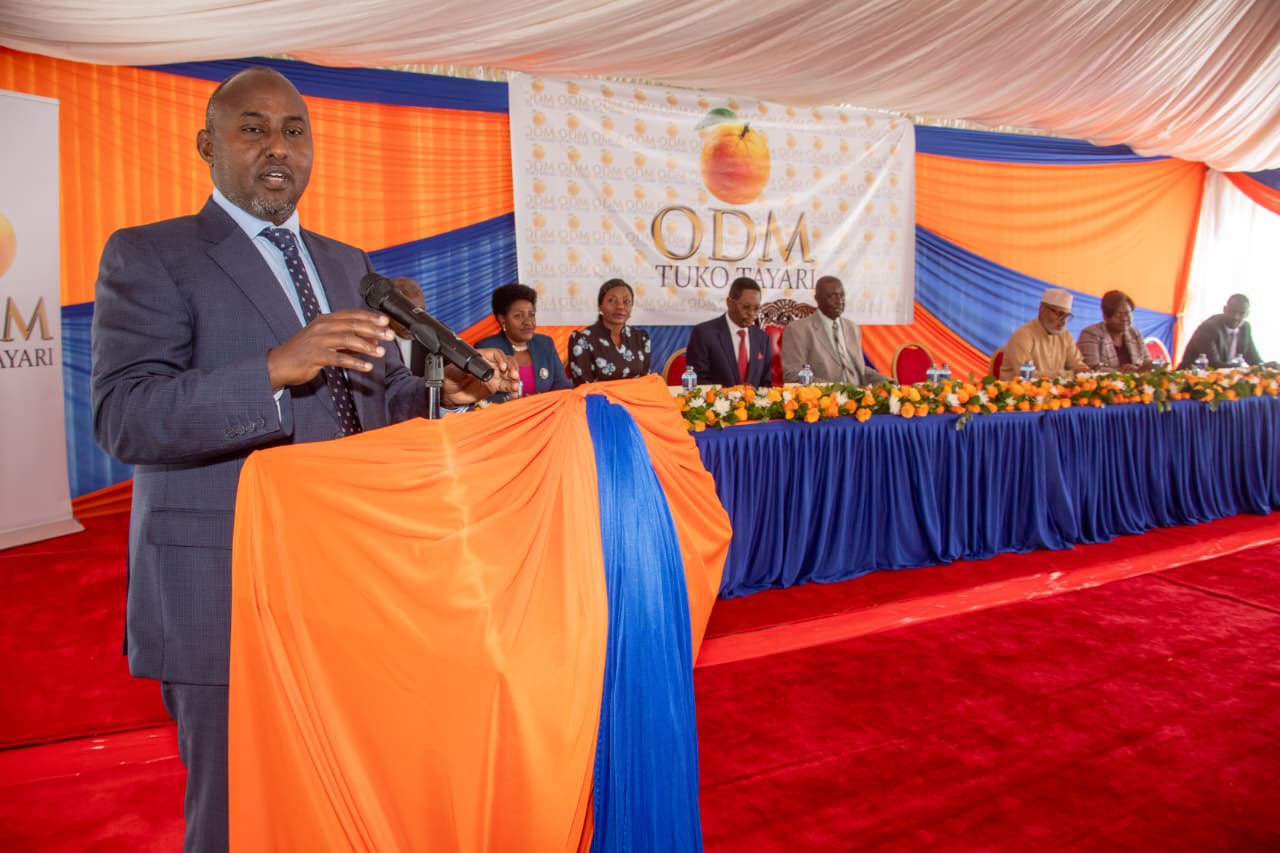
The simmering tensions came to the fore during the ODM Parliamentary Group meeting, where legislators engaged in a heated debate over reports that the party could cede some of its traditional strongholds to UDA as part of a broader political cooperation framework.
Several MPs who attended the closed-door session said the discussions reflected growing unease among a section of lawmakers who fear zoning could weaken ODM’s grassroots machinery and alienate loyal supporters.
They stated that political candidates from opposing parties had already started campaigns in ODM zones which could weaken the party.
“There is concern that zoning, if not carefully negotiated, may be seen as surrendering political ground we have built over the years especially at a time when the unity of the party is being tested,” one lawmaker said requesting anonymity.
At the centre of the debate is how ODM will balance its long-standing dominance in regions such as Nyanza, Coast and Western regions with the realities of a possible coalition arrangement with UDA, a party that has been aggressively expanding its footprint nationally.
However, National Assembly Minority Leader Junet Mohamed while addressing a press conference refuted assertions that ODM would cede ground to the ruling party.
“The ODM PG has agreed that we will make our party vibrant and maintain the electoral position that the party holds currently and increase the numbers.We can’t negotiate on anything that touches on our party strength,” Mohamed said.
Acting Party leader Oburu Oginga is said to have urged members to remain calm during the closed door meeting emphasising that any coalition framework would be guided by mutual respect, electoral strength and the broader national interest.
Oginga reminded MPs that coalition politics requires compromise but assured them that ODM would not enter into any arrangement that diminishes its identity or bargaining power.
However, several legislators reportedly pushed for transparency in the negotiations, demanding to be regularly briefed on the progress of talks and the criteria being used to determine potential zoning areas.
“There must be clarity on which constituencies are under consideration and what metrics are being applied,” another MP said.
Some legislators however were in support of zoning agreement saying the decision of who wins is on the hands of the electorate regardless of the political pact.
“Zoning should not be an acrimonious issue after all it the best candidate who always win despite of political agreement,” said a senator who is part of the leadership in the senate.
UDA’s core strength lies in the high-potential regions of Central Kenya, the Rift Valley and Mount Kenya, where it has deep roots and consistently outperforms competitors at the polls.
These areas have supplied the bulk of UDA’s parliamentary victories and form the backbone of its national support base.
UDA also performs strongly in parts of Northern Kenya and has been expanding in regions such as Western and the Coast, signalling efforts to broaden its appeal beyond its traditional base.
ODM’s traditional strongholds are in the Nyanza region,Western region and along parts of the Coast, where the party’s historical leadership and its association with prominent figures from those regions translate into reliable electoral support.
ODM also enjoys pockets of influence in urban centres such as Nairobi, where voters have given it competitive showings in both national and local contests.
Despite pressure from UDA’s nationwide expansion, these zones remain key to ODM’s strategy and core identity