










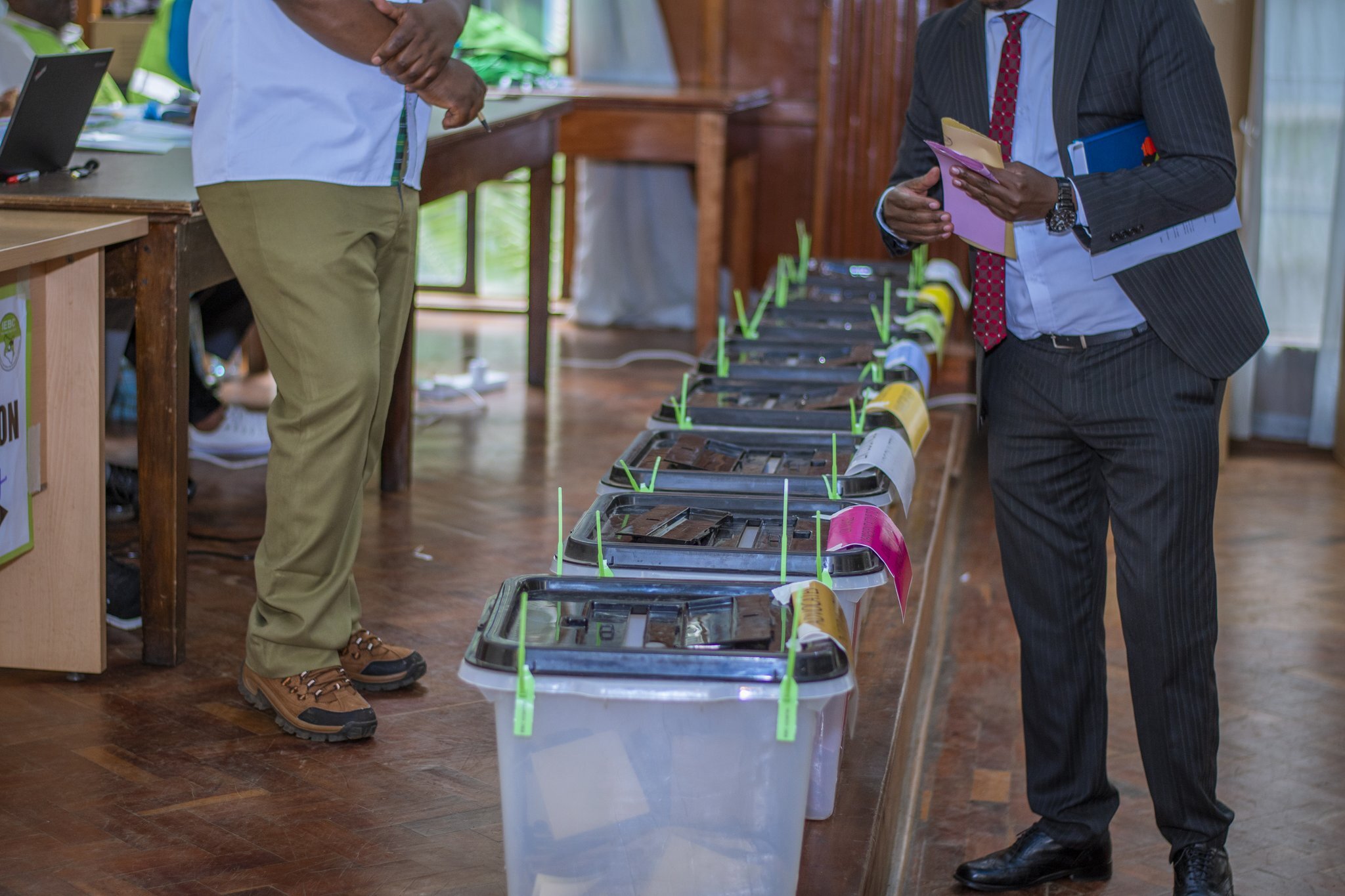

NAIROBI, Kenya Feb 19 – Voting is underway across the country as members of the Law Sociecty of Kenya (LSK) elect a new President, Vice-President and Council representatives in a pivotal contest expected to influence the legal profession’s direction for the next two years.
Polling centres have been set up at High Court stations nationwide, with the exercise being administered by the Independent Electoral and Boundaries Commission (IEBC) under the supervision of the LSK Elections Board. More than 20,000 practising advocates are eligible to vote in the biennial exercise.
The election brings to a close the tenure of outgoing President Faith Odhiambo, who assumed office in 2024 as only the second woman to lead the bar.
Senior Counsel Charles Kanjama and leading legal strategist Peter Wanyama are competing to succeed Odhiambo.
The two confirmed bids set the stage for a high-stakes contest in 2026 given LSK provision of a single-term presidency.
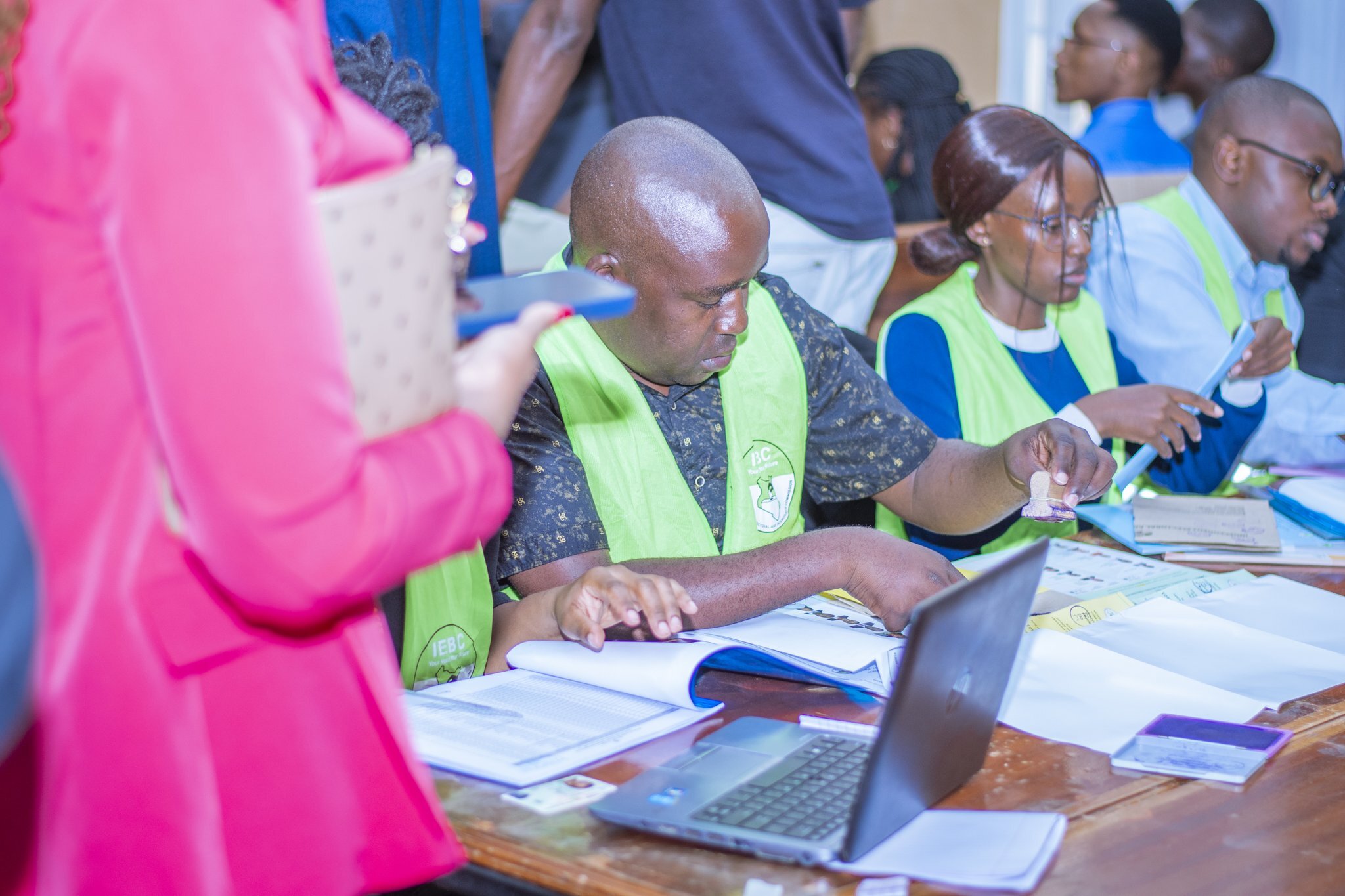
This comes amid heightened debate over the autonomy of the society following Odhiambo’s controversial acceptance of an appointment — and subsequent resignation — to a government-appointed compensation panel, a move that has sharpened scrutiny of LSK’s relationship with the State.
The 2026 bid will mark Kanjama’s second attempt for the top seat. He last contested in 2020, losing to Nelson Havi, who garnered 2,675 votes against his 1,246.
On November 7, Peter Wanyama, who finished second in the 2024 LSK election, also announced his bid, framing himself as the reformist candidate ready to deliver “strategic, purposeful, and strong leadership.”
Visible Bar
Over the past two years, the LSK has maintained a high public profile, frequently weighing in on constitutional questions, legislative disputes and human rights concerns.
Under Odhiambo’s stewardship, the Society challenged government actions in court, issued pointed statements on governance matters and positioned itself as a defender of judicial independence.

The incoming president will take office at a time when relations between sections of the bar and state agencies remain delicate. The Society is often called upon to defend civil liberties, scrutinise proposed legislation and protect the independence of the Judiciary.