










NAIROBI, Kenya Feb 12 – Governors who fail to appear before Senate oversight committees risk being arrested and forcibly presented to Parliament, senators and the Inspector General of Police have warned.
The warning came as a standoff deepens between the Senate and the Council of Governors over appearances before key watchdog committees probing the use of public funds in counties.
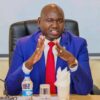
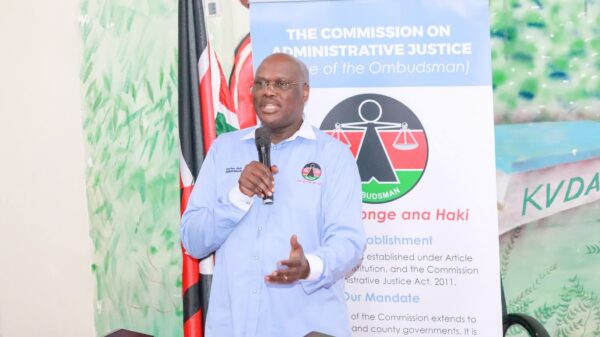
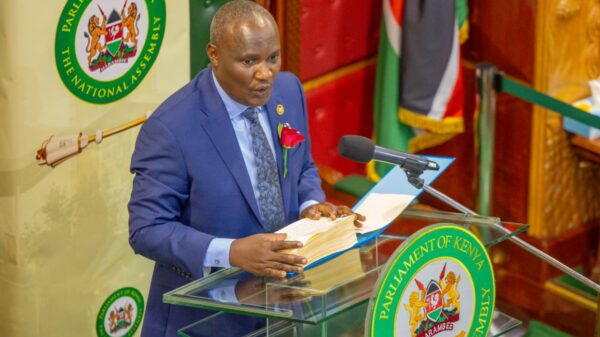
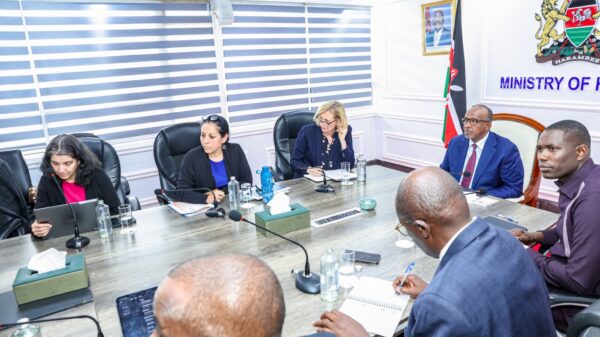
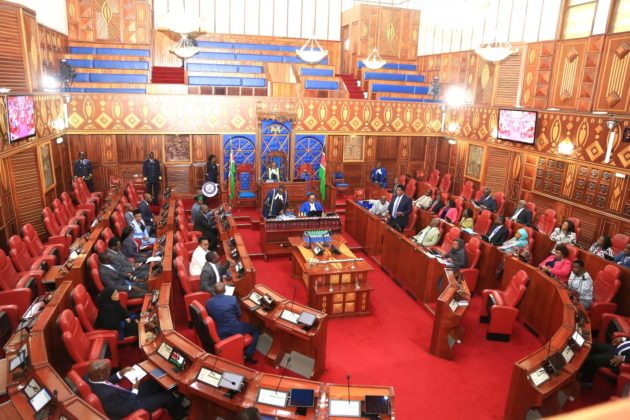
Speaking during a session of the Senate Standing Committee on County Public Accounts (CPAC), committee chair Senator Moses Kajwang’ said some governors had openly refused to honor parliamentary summons, despite it being a constitutional duty.
“There are a few governors who have decided that they will not come before Parliament,” Kajwang’ said.
“Where someone summoned fails to appear, there could be recourse to fines, or Parliament may request the Inspector General of Police to arrest and produce that person.”
The remarks were backed by Inspector General of Police Douglas Kanja, who confirmed that police are ready to act if directed by Parliament.
“In instances where they refuse to comply, the service, under the direction of the committee, is always ready to arrest and present them before the committee as requested,” Kanja said.
The warning was supported by Nandi Senator Samson Cherargei, who went as far as urging citizens to assist in enforcing the law.
“If governors fail to appear before accountability committees, can citizens assist by arresting their governor and bringing them?” Cherargei asked, saying the law allows such action.
– Why Governors are refusing to appear before Senate Committees –
The hardline stance comes amid growing tension between the Senate and the Council of Governors, which recently accused some Senate committees of harassment, intimidation, extortion and political witch-hunts.
The Council of Governors had on Feb 9, 2026 announced that its members would stop appearing before the County Public Accounts Committee and limit appearances before the County Public Investments and Special Funds Committee to once per audit cycle.
The governors also demanded the removal of four senators from the committees.
Senate Speaker Amason Kingi has since rejected those resolutions, insisting that the Senate’s oversight role is protected by the Constitution and cannot be suspended by any group.
“The Senate has the constitutional mandate to oversee the use of public funds allocated to counties,” Kingi said in a formal communication to senators. “No organ or person has the power to suspend or limit this mandate.”
Kingi cited Article 125 of the Constitution, which gives Parliament and its committees powers similar to those of the High Court, including summoning witnesses, compelling documents and enforcing attendance.
He also warned that attempts to block Senate oversight could derail the audit process, which must be completed within strict constitutional timelines.
Parliament is required to consider audit reports from the Auditor-General by March 31 every year.
Despite the standoff, Speaker Kingi has invited the leadership of the Council of Governors to a meeting with Senate leaders on February 26, 2026, in a bid to ease tensions.
However, he made it clear that the meeting will not stop Senate committees from doing their work.
“Any governor summoned to appear before a Senate committee must do so,” Kingi warned. “Failure will attract consequences provided for in the Constitution and the law.”