



















KISUMU, Kenya, Jan 26 – KISUMU, Kenya, Jan 26 — Victoria Hospital in Kisumu, an annex of the Jaramogi Oginga Odinga Teaching and Referral Hospital (JOOTRH), has become the first public hospital in Kenya to acquire a specialized Spectra Optia apheresis machine, offering advanced treatment for patients living with sickle cell disease.
The machine, which performs automated red blood cell exchange, is expected to significantly improve the quality of life for sickle cell patients in Kisumu and the wider western Kenya region, where the disease is highly prevalent.
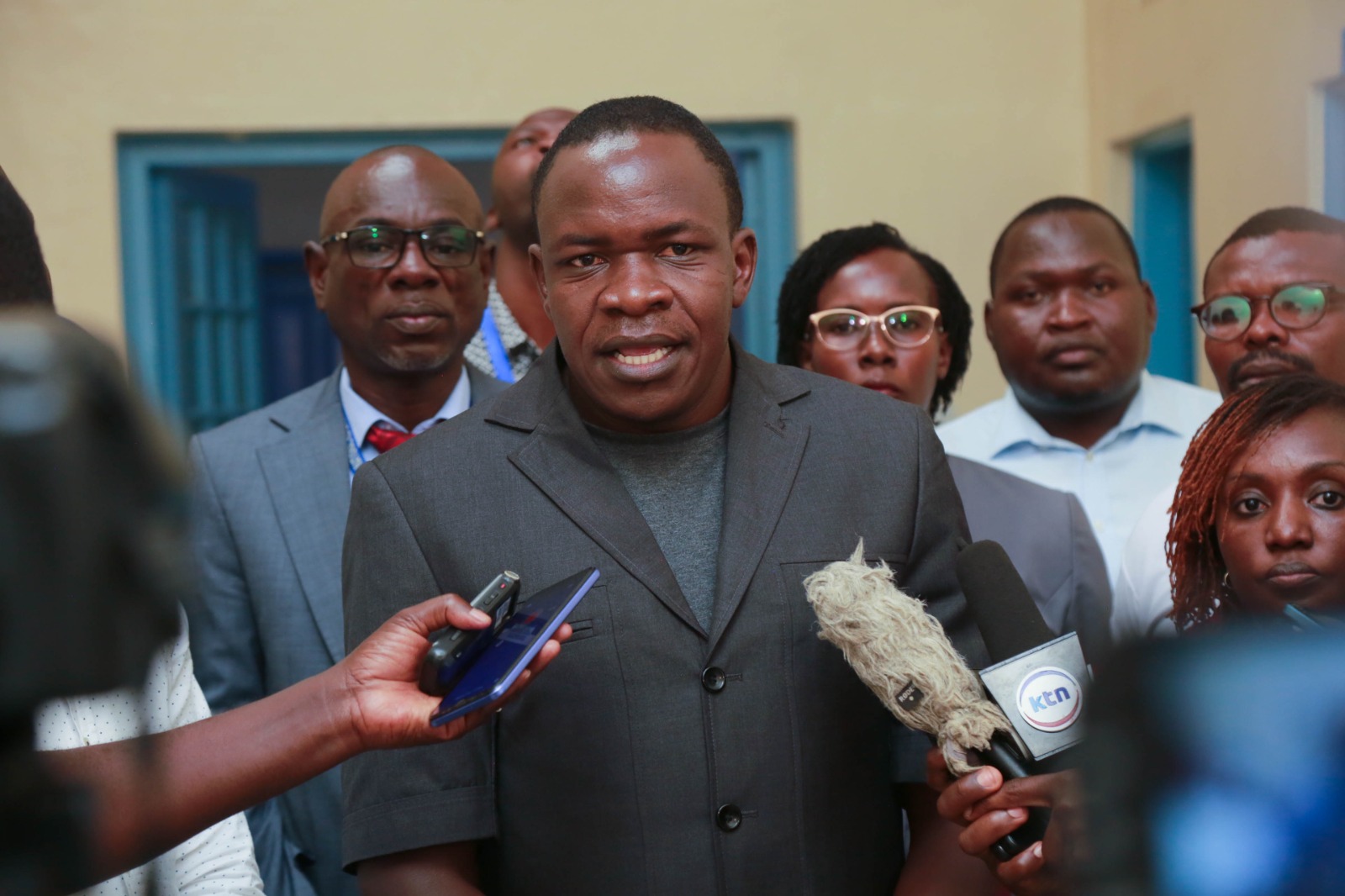
Speaking during the launch, Dr Kevin Otieno from Conrad Science, the company behind the technology, said the Spectra Optia machine is a major milestone in bringing specialized hematology care closer to patients.
“This is the machine that will be used to perform red cell exchange for sickle cell patients. Beyond that, it can support many other procedures as the hospital expands its services,” said Dr Otieno.
The machine works by removing damaged, sickled red blood cells and replacing them with healthy donor red cells in a controlled, automated process. It can also be used for therapeutic plasma exchange, platelet collection, stem cell collection, and other advanced hematology procedures.
Clinicians say automated red cell exchange reduces complications associated with sickle cell disease, including severe pain crises, stroke, organ damage, and iron overload caused by frequent manual transfusions.
“The procedure is safer, more efficient, and allows patients to live more stable and productive lives,” Otieno added.
Thaddeus Masawa, a clinical anatomic pathologist at JOOTRH, emphasized that the success of the program depends on the availability of safe and adequate blood.
“Red cell exchange relies on a consistent supply of quality blood. We are working to ensure that our blood bank can meet this demand,” said Masawa.
The hospital has also acquired new blood screening equipment to improve safety and reliability, ensuring donated blood is properly tested for transfusions and other laboratory investigations.
Children are a major focus of the new program, as complications from sickle cell disease often begin early in life. Dr Brenda Misore, a pediatric hematologist and oncologist at Victoria Hospital, highlighted the importance of early diagnosis and intervention.
“Our goal is prevention. If we identify children early and manage them well, we can prevent devastating complications like stroke,” said Dr Misore.
The hospital plans to strengthen screening services, including introducing transcranial Doppler ultrasound to identify children at high risk of stroke. Automated red cell exchange is particularly beneficial for children, reducing iron overload and immune reactions associated with repeated transfusions, allowing them to grow into adulthood with a better quality of life.
Joshua Okise, CEO of JOOTRH, said the acquisition represents a turning point for public healthcare in the region, noting that the service is fully under public management to ensure sustainability and access for all patients, regardless of financial status.
“This is now a public good. We have trained our staff, planned for sustainability, and ensured consumables will be available so that our people can receive quality care,” said Dr Okise.
JOOTRH is also engaging communities to raise awareness about sickle cell disease, dispel myths, and encourage parents to bring children for early testing and regular follow-ups.
“With this machine in place, Kisumu is positioning itself as a regional hub for sickle cell care, offering renewed hope to patients and families who for years have lived with limited access to specialized treatment,” Okise said.