



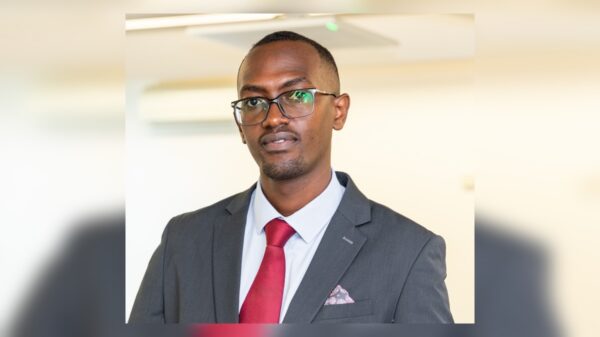













NAIROBI, Kenya Dec 6- Former KNUT Secretary General Wilson Sossion has raised alarm over what he calls a professional crisis masked by impressive numbers in the Ministry of Education as pioneer Competency-Based Curriculum (CBC) cohort moves into Grade 10,
Official figures suggest nearly 100,000 new teachers have been hired to support the CBC rollout, which has also seen multi-billion shilling investments in classrooms and resources.
But Sossion warns that these statistics conceal a deeper problem: many teachers are ill-equipped to deliver high-order, competency-based instruction.
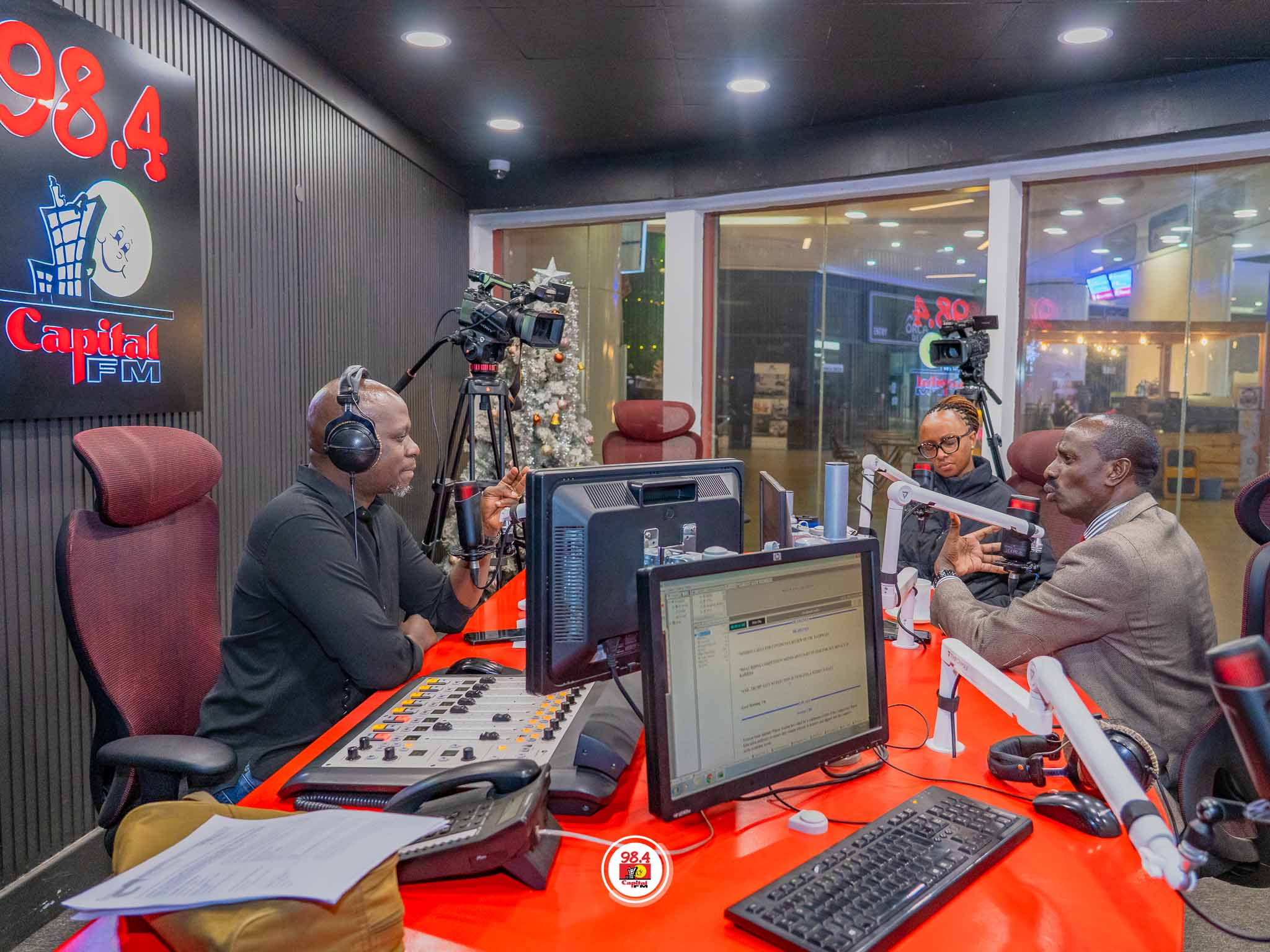
“Kenyans get excited about a shift from one curriculum to another without understanding the shift in logic,” Sossion said during an exclusive interview at Capital FM.
He cited Finland, often considered the global benchmark, where teachers handling CBC-style instruction are required to hold at least a Master’s degree.
“Competency-based teaching is a high-order form of teaching… If we insist on this path, we must rethink who is standing at the front of the classroom,” Sossion noted.
The professional gap is most visible in the newly established Junior Secondary Schools. While the 100,000 new hires may appear sufficient, many teachers are being deployed in subjects outside their area of expertise.
The CBC curriculum demands specialists in STEM, Technical subjects, and the Performing Arts, but generalist teachers are often expected to deliver content they were never trained to teach.
Sossion also criticized universities for being largely absent from the CBC process. Under the 8-4-4 system, he notes, higher education institutions played a critical role in pedagogy research and curriculum evaluation.
Today, he says, there is a research void, leaving the Ministry reliant on administrative decisions rather than evidence-based feedback on how children are learning.
Sossion is not advocating scrapping CBC, which he calls brilliant in areas such as career pathways.
Instead, he recommends urgent reforms, including intensive, specialized training for teachers across all Senior Secondary pathways, strong partnerships with Colleges of Education to develop a robust quality assurance and monitoring framework, and ensuring Senior Secondary schools have specialized labs and resources that match the competency demands of the curriculum.