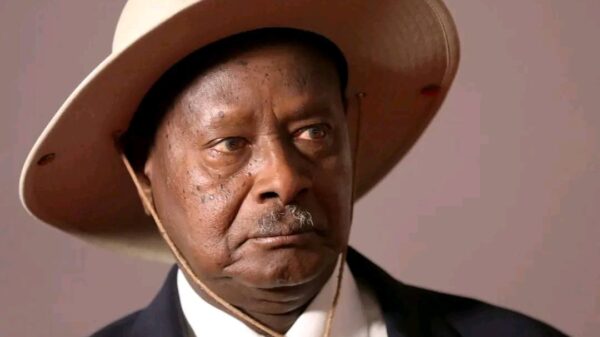













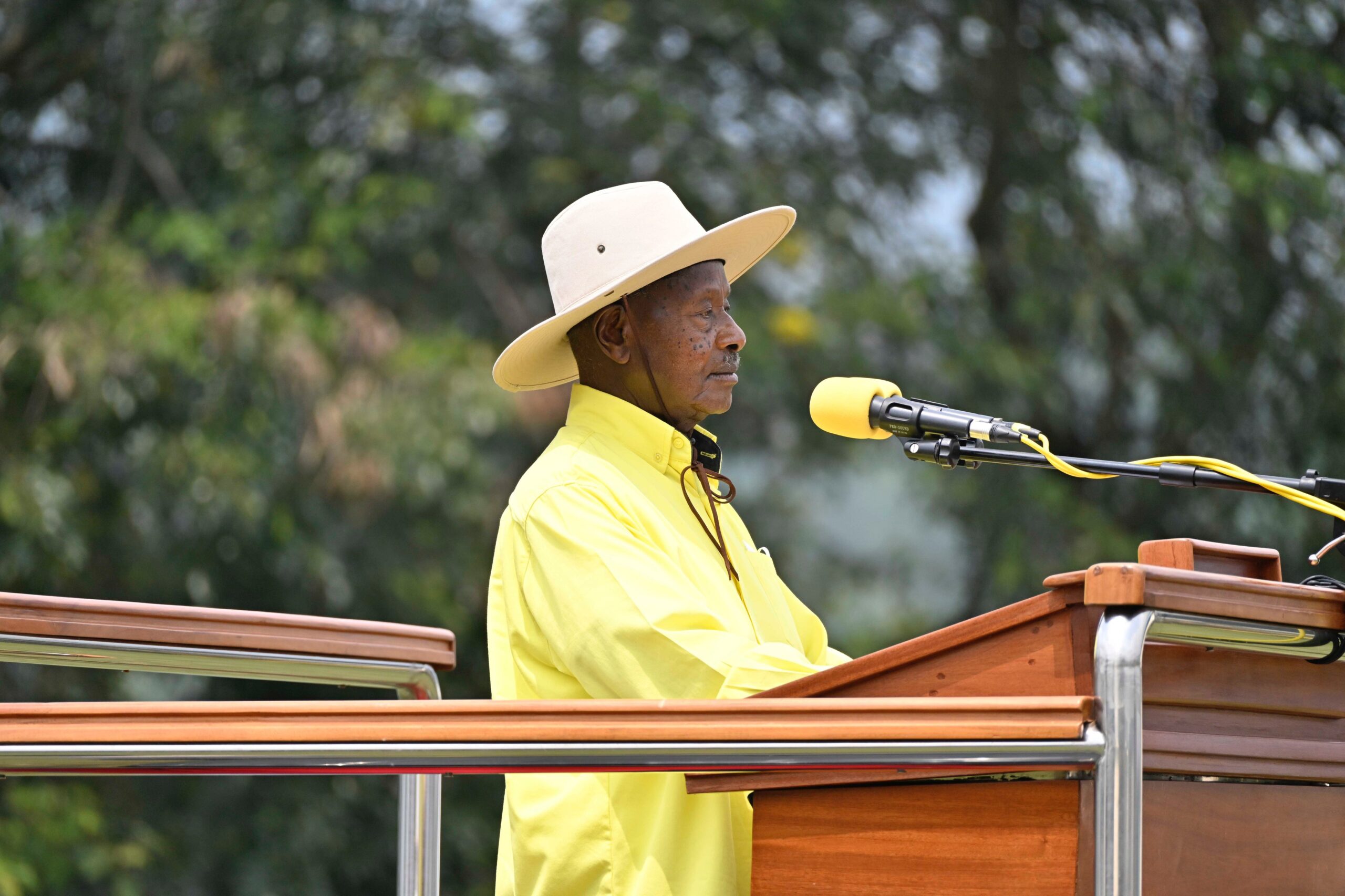

NAIROBI, Kenya, Jan 16 — Uganda’s long-serving leader Yoweri Museveni has been declared the winner of the country’s presidential election, securing a seventh term in office amid strong opposition rejection, allegations of widespread malpractice, and a nationwide internet shutdown.
The Electoral Commission (EC) on Saturday announced that Museveni, the National Resistance Movement (NRM) candidate, won the January 15 election with 71.65 per cent of the vote, equivalent to about 7.9 million votes.
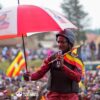
His closest challenger, opposition leader Robert Kyagulanyi Ssentamu, popularly known as Bobi Wine of the National Unity Platform (NUP), came second with 24.72 percent, or approximately 2.7 million votes.
EC Chairperson Simon Byabakama said a total of 11,366,201 votes were cast, representing a voter turnout of 52.10 percent of registered voters.
Uganda uses a two-round electoral system, under which a candidate must obtain at least 50 per cent plus one vote to win outright in the first round.
Other candidates trailed far behind, including Nandala Mafabi of the Forum for Democratic Change (209,039 votes), Mugisha Muntu of the Alliance for National Transformation (59,276), Frank Kabinga of the Revolutionary People’s Party (45,959), Robert Kasibande of the National Peasants Party (33,440), Munyagwa Sserunga of the Common Man’s Party (31,666), and Elton Mabirizi of the Conservative Party (23,458).
President since 1986
Museveni, who has ruled Uganda since 1986, previously won a sixth term in January 2021.
His latest victory comes in an election conducted under heavy security deployment and a suspension of internet access ordered ahead of polling day — a move authorities said was intended to prevent misinformation and violence.
However, Kyagulanyi and the NUP have rejected the results outright, describing them as fraudulent and not reflective of what occurred at polling stations.
‘They are holding my Family’: Bobi Wine speaks after night raid
Bobi Wine accuses Museveni regime of ballot stuffing and arrests
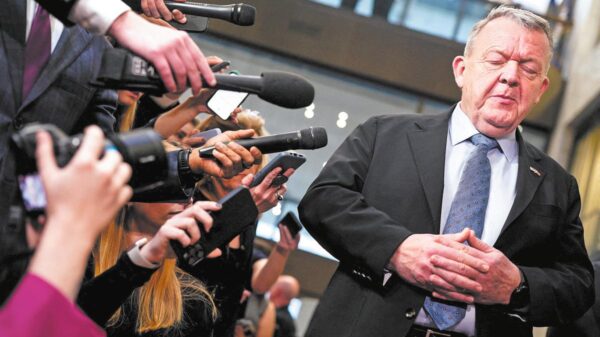
In a statement issued shortly before the announcement, Kyagulanyi alleged ballot stuffing, arrests of opposition polling agents, and intimidation by security forces, saying the internet blackout was used to shield alleged irregularities from public scrutiny.
He also claimed that security forces raided his Magere home overnight, cut off electricity, disabled surveillance cameras, and that his wife and family members remain under house arrest while he escaped and is in hiding.
“Those so-called results are fake and do not in any way reflect what happened at the polling stations,” Kyagulanyi said, calling for the restoration of internet services and the publication of declaration forms and tally sheets to allow public verification.
He urged Ugandans to reject what he termed a rigged process and to protest peacefully, adding that arrests and demonstrations were already being reported in several parts of the country.