















Dec 3 – Bangladesh is witnessing a troubling resurgence of extremism and radical ideologies at an alarming rate following the installation of the interim government led by Professor Muhammad Yunus in August 2024.
Since Prof Yunus assumed office as Chief Adviser on 8 August 2024, security agencies, civil society groups and international observers have raised growing concern over the re-emergence and visibility of Islamist extremist networks that had previously been weakened through sustained counter-terrorism operations over the past decade.
The interim administration came to power amid political uncertainty and institutional vacuum following the collapse of the previous government. While the transition was initially welcomed as a stabilising move meant to restore democratic order and prepare the ground for national elections, it has inadvertently created space for radical actors to regroup, reorganise and expand their influence.
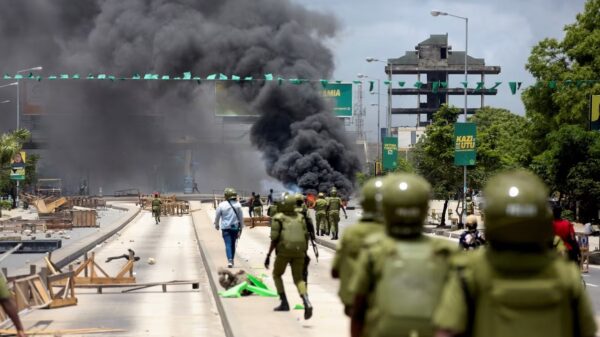
In recent months, Bangladesh has recorded a noticeable rise in hate rhetoric, extremist propaganda, underground recruitment efforts and radical street mobilisations, particularly in urban informal settlements and parts of the northern and southeastern regions. Security analysts say online platforms have also become fertile ground for extremist messaging targeting unemployed youth and madrassa students.
Several banned or weakened extremist outfits are believed to be attempting a quiet comeback by exploiting economic hardship, political distractions and declining enforcement intensity. Intelligence agencies have warned that sleeper cells are reactivating using new funding sources, some with suspected transnational connections.
The Yunus-led interim administration has faced criticism for what analysts describe as slow and inconsistent responses to early warning signs of radicalisation. While the government maintains that it remains committed to combating terrorism and preserving national security, critics argue that political focus has remained largely fixed on electoral reforms and administrative restructuring, allowing extremist networks to exploit the security gap.
Bangladesh’s progress in countering violent extremism over the past decade had been hailed internationally. Through coordinated crackdowns, intelligence reforms and deradicalisation programmes, the country succeeded in dismantling several high-profile terror networks following a wave of deadly attacks between 2014 and 2017. That progress is now at risk of being eroded.
Human rights organisations and community leaders have also expressed concern that social polarisation, economic anxiety, and weakened civic institutions are providing fertile ground for extremist recruitment. With youth unemployment rising and inflation biting hard, radical groups are capitalising on frustration and social disillusionment.
The revival of extremist activities also poses serious regional and international security implications. Bangladesh sits at a strategic crossroads of South and Southeast Asia, and any destabilisation risks ripple effects across neighbouring India, Myanmar and the wider Indo-Pacific security environment.
Diplomatic partners have quietly stepped up intelligence cooperation with Dhaka, urging the interim government to reinforce security enforcement, enhance cyber-monitoring of extremist content and re-energise community-based counter-radicalisation initiatives.
As Bangladesh inches closer to its next phase of political transition, the challenge for the Yunus-led interim regime is to restore institutional authority, reinforce internal security, and ensure that extremist forces do not exploit the transition period to re-establish themselves.
Without swift and decisive action, analysts warn that the country risks sliding backwards into a cycle of radicalisation, instability and insecurity—undoing years of hard-won gains in counter-terrorism and social cohesion.