











Seth Onyango, bird story agency
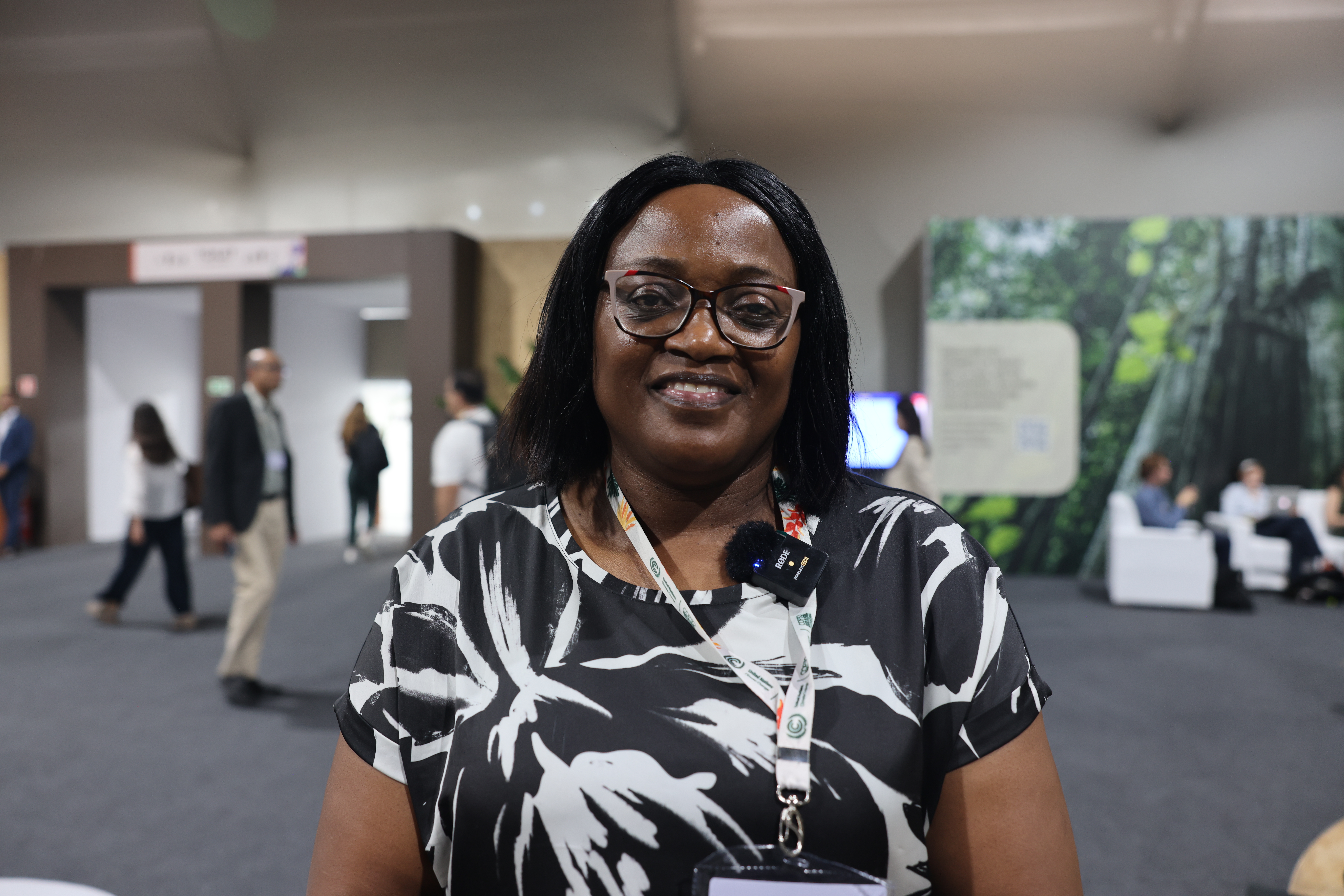
Anna Libana’s phone glowed persistently in the subdued light of the lobby as she scrolled through messages and notes, while the corridors of COP30 in Belém buzzed with delegates rushing between sessions.
Since morning, a steady stream of updates from her team in Windhoek—project briefs, draft proposals, meeting requests—had filled the screen, each notification pulling her deeper into the work that brought her here.
For Namibia’s Director of the National Energy Fund, the relentless pace of the summit mirrors the urgency of her mission: finding ways to finance renewable energy for communities still waiting for electricity.
Libana, a seasoned energy economist, carries the weight of Namibia’s electrification goals on her shoulders. The National Energy Fund, which she directs, is tasked with equalising energy prices and financing renewable technologies such as solar water heaters, photovoltaic systems, and solar home kits. “Electricity is no longer a luxury,” she said. “It is a basic necessity for every human being on the planet.”
What makes her work resonate across Africa is its replicable nature. Many countries face the same challenge of sparse populations combined with limited budgets for extending grid infrastructure. By championing decentralised solutions like mini‑grids and solar kits, Libana is showing how nations can leapfrog traditional energy pathways and deliver affordable, renewable power directly to those who need it most.
In Namibia, Libana oversees the Solar Revolving Fund (SRF), responsible for financing technologies like solar water heaters and photovoltaic systems, crucial tools for reaching the national target of 70% electrification by 2030.
For a sparsely populated country where many communities live far from the national grid, this is no small feat.
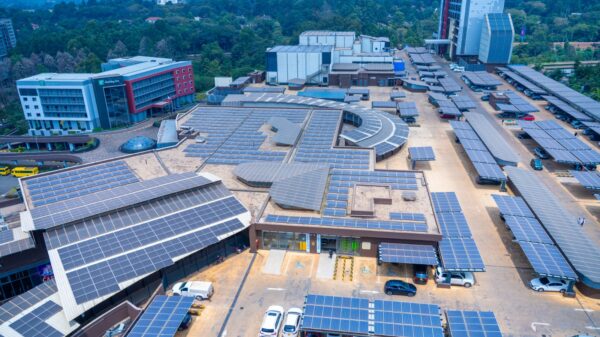
The SRF has already financed more than 5,000 renewable systems, with solar home kits and photovoltaic panels dominating. These technologies are not only lighting homes but also powering schools, clinics, and small businesses in off‑grid areas.
Yet, the path is fraught with challenges. Across Africa, financing remains the single biggest hurdle to a clean energy transition. Libana is at COP30 specifically to master one potential solution: carbon trading.
Libana is candid about the difficulties of mobilising resources for renewable energy in developing countries. “Carbon trading is new to me,” she admitted, “but I believe it can reduce greenhouse gas emissions if we follow the models used in developed countries properly. The challenge will be financing.”
She sees carbon markets not as an abstract concept, but as a vital tool to replenish the Solar Revolving Fund, creating a sustainable cycle of investment. “The challenge here will be the financing,” she conceded, highlighting the need for global partners and knowledge transfer.
Her own journey to the forefront of energy policy was forged through years of rising through the ranks. From a Senior Petroleum Economist to her current directorship, she has built a career on understanding the intricate economics of energy. Now, she is applying that expertise to pivot her nation towards sustainability.
“I believe in inclusivity,” Libana said, seamlessly weaving her advocacy for women into the climate conversation. “It’s very, very important to have women in decision making, especially at this level.”
She points to a powerful example back home: Namibia’s first female president, Madam Nandi Ndaitwah. “She is really pushing for women’s inclusion in decision making at all levels in our country,” Libana noted, drawing a line from national leadership to her own role. “I don’t think it’s really a problem for me as a woman to be leading the agenda of energy access.”
Her vision for women in Africa is both a challenge and an affirmation. “We need to start believing in ourselves,” she insisted. “We must really stand up… and not reduce ourselves to cultural traditions that we are always in the kitchen, cooking. We must make sure we are at that level to make decisions that can affect our countries.”
At COP30, Libana’s presence is a testament to that belief. Amid the technical debates over emissions and financing, she stands as a dual force: a pragmatic financier and a pioneering female leader. Her mission is to secure donor partnerships for mini-grids and off-grid solutions, bringing power to the most remote corners of Namibia.
Her focus may be on watts and wiring, but her broader challenge is to a system that has often overlooked both Africa and women. The African Development Bank estimates the continent needs massive investment to adapt to climate impacts, but leaders like Libana argue that investment must be paired with local expertise and inclusive governance.
For Libana, the solution lies in a powerful combination of finance, technology, and faith in human potential. “If we want to make change in our society, we really need to stand up,” she said, her conviction clear. That change, for her, begins with a simple solar panel in a remote home, and a woman at the table deciding how to fund the next one.
bird story agency