












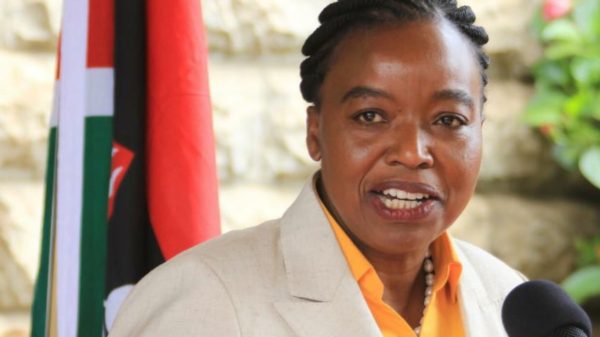



NAIROBI, Kenya, Oct 7 — Kenya is switching to a single-dose Human Papillomavirus (HPV) vaccine in a bold move aimed at eliminating cervical cancer and boosting access for girls aged 10 to 14 years.
The shift — announced by the Ministry of Health during the Coalition to Strengthen HPV Immunization Community (CHIC) symposium in Nairobi — follows recommendations from the National Immunization Technical Advisory Group (KENITAG), which confirmed that one dose provides the same robust protection as multiple doses.
Director of Health, Dr. Patrick Amoth, said the transition in October will position Kenya as a leader in evidence-based immunization, simplifying logistics, cutting costs, and increasing vaccine coverage.
“The switch to a single dose is guided by science. Evidence shows that one shot provides lasting protection against HPV infections that cause cervical cancer,” Dr. Amoth said.
“This marks a turning point in our fight against cervical cancer. Every vaccine delivered is a life protected, a family spared from grief, and a community strengthened.”
Since the national rollout in 2019, Kenya has made steady gains. Coverage for the first dose among girls aged 10 to 14 has more than doubled — from 24 per cent in 2022 to over 60 per cent by the end of 2024.
Second-dose coverage also improved, rising from 17 per cent to 30 per cent over the same period. Yet, the numbers remain below the 90 per cent target set under the World Health Organization’s Global Strategy to Eliminate Cervical Cancer.
Progress has also been uneven. Counties such as Nyamira, Siaya, and Kirinyaga boast coverage rates above 45 per cent, while northern counties — including Wajir, Mandera, Garissa, Isiolo, and Turkana — lag behind, some with vaccination rates as low as two per cent.
“We have made remarkable progress nationally, but the disparities between regions are still too wide,” Dr. Amoth noted. “Every missed girl is a missed opportunity to prevent cancer.”
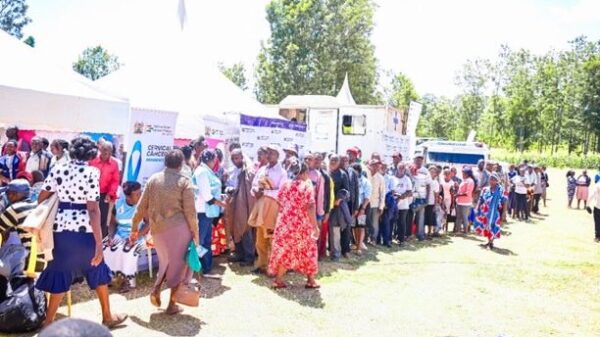
In northern Kenya, health officials and community leaders cite persistent myths, religious misconceptions, and mistrust of government-led programs as key barriers to vaccine uptake.
Some parents still believe the HPV vaccine affects fertility, while others question why it targets girls before adolescence. In areas where community sensitization has been limited, religious concerns have also fuelled suspicion.
Logistical hurdles compound the problem. Vast, sparsely populated regions, poor road networks, and limited health personnel make it difficult to reach eligible girls.
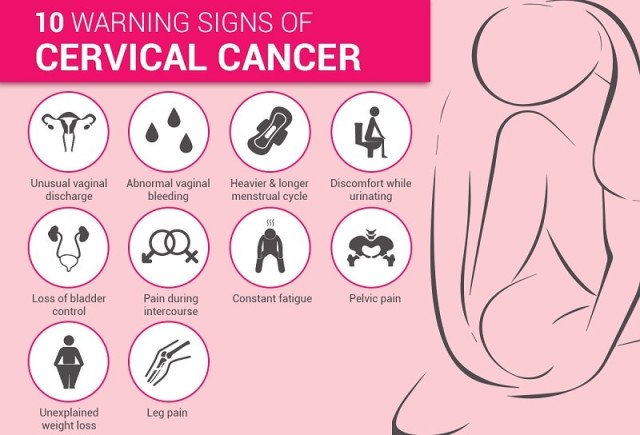
Cervical cancer remains the second most common cancer among Kenyan women and a leading cause of cancer deaths.
The Ministry of Health estimates that 5,236 women are diagnosed annually, with 3,211 deaths recorded each year — roughly 10 deaths every day.
Without stronger vaccination and screening programs, that number could rise to 22 daily deaths by 2040.
Globally, the World Health Organization attributes 99.7 per cent of cervical cancer cases to HPV — a sexually transmitted virus with over 200 strains. Two of these strains, HPV 16 and 18, cause more than 70 per cent of cervical cancers yet can be prevented through vaccination.
“Tragically, most of the 350,000 annual cervical cancer deaths occur in low- and middle-income countries,” Dr. Amoth said. “This is a preventable disease — and we have the tools to stop it.”
Kenya’s decision is supported by growing scientific evidence. The KEN SHE trial, conducted in Kenya and published in 2023, found that a single dose of the HPV vaccine provides up to 98 per cent protection against persistent HPV infections for at least three years.
The simplified approach is expected to ease pressure on the health system by removing the need for follow-up doses — a common cause of dropout among girls, especially in remote regions.
To close the gap, the Ministry of Health plans to expand school-based vaccination through Grade Five classes, strengthen community outreach, and work with faith-based networks to build vaccine confidence.
Kenya’s broader goal aligns with the WHO’s 90-70-90 targets — 90 per cent of girls fully vaccinated by age 15, 70 per cent of women screened at ages 35 and 45, and 90 per cent of women diagnosed with cervical disease receiving treatment.
“The future of millions of African girls — and boys too, since HPV affects them as well — depends on the decisions we make now,” Dr. Amoth said.
“HPV vaccination must remain a central pillar of cervical cancer elimination.”
HPV in Numbers: Kenya at a Glance
- 2.9 million girls aged 10–14 vaccinated since 2019
- 60% received first dose; 30% completed both doses
- 5,236 new cervical cancer cases annually
- 3,211 cervical cancer deaths each year
- 9.1% of Kenyan women carry high-risk HPV strains
As Kenya embraces the single-dose approach, the challenge now shifts from policy to practice — ensuring that science translates into lives saved.
If the country succeeds, it could become a model for Africa and beyond — proving that cervical cancer, once a death sentence for many women, can be eliminated through commitment, communication, and community trust.
“This is not just a vaccination program,” said Dr. Amoth. “It’s a promise to protect our daughters — and generations to come.”