
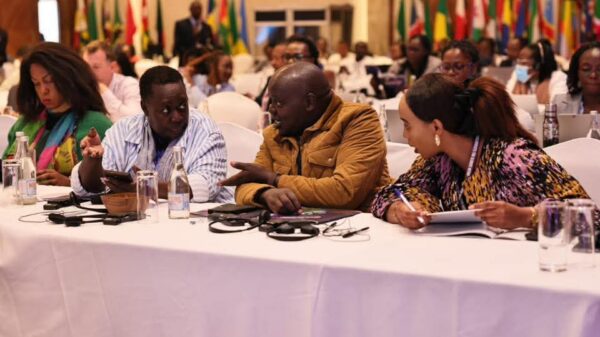









NAIROBI, Kenya, Oct 16 — A high-profile coalition of second-hand clothing industry leaders, policymakers, and academic experts from Africa, Asia, Europe, and North America has published an open letter to the United Nations Environment Programme (UNEP), calling for greater transparency, data integrity, and inclusivity in its ongoing research on used clothing and textile circularity.
The coalition — led by the Ghana Used Clothing Dealers Association (GUCDA) and including major trade bodies such as the Mitumba Consortium Association of Kenya, Recycling Europe (formerly EuRIC), and the Secondary Materials and Recycled Textiles Association (SMART) — is urging UNEP to strengthen the credibility and openness of its Circularity and Used Textile Trade Project, which is funded by the European Commission.
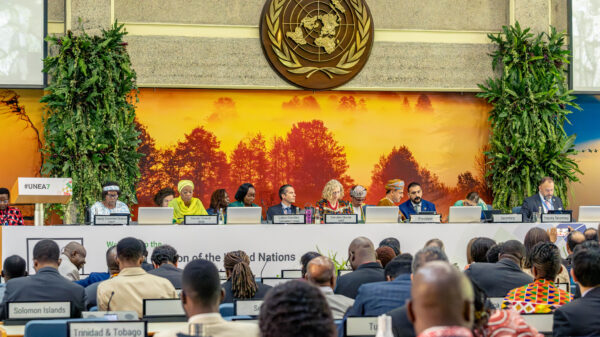
The letter comes ahead of the UN Environment Assembly (UNEA-7), to be hosted in Nairobi from 8–12 December 2025, where UNEP is expected to present its final global guidelines on used textiles.
While commending UNEP’s efforts to promote sustainable textile management, the signatories stress that the project’s success depends on transparent methodologies, verifiable data, and meaningful engagement with affected stakeholders.
The project aims to develop global standards to distinguish between tradeable used clothing and textile waste.
However, the coalition raises concerns about what it terms an opaque consultation process — citing short feedback timelines, restricted access to draft materials, and presentation of unverified data.
Stakeholders from Ghana, Kenya, and Pakistan report that key definitions, such as “waste,” were applied without sufficient methodological disclosure, limiting independent scrutiny and undermining confidence in the process.
“What we have seen throughout this consultation process is not the objective inquiry that we expect from a UN programme,” said Jeffren Boakye Abrokwah of GUCDA.
“The Circularity and Used Textiles Trade Project could reshape national trade policies that affect the livelihoods of millions of people around the world. In Ghana, for example, UNEP’s research partner is an NGO with a pre-existing waste advocacy campaign funded by the ultra-fast fashion industry. We raised legitimate concerns about national dialogues dominated by affiliated participants and leading questions that may have biased data collection.”
“We are concerned that the project’s findings may not fully reflect the realities of the global textile trade,” said Alan Wheeler, CEO of the Textile Recycling Association (UK).
“UNEP’s willingness to adopt unverified findings undermines its stated commitment to impartiality and erodes public trust. We urge UNEP to correct course, commission independent research, and reconsider its draft guidelines.”
“There’s a serious risk UNEP’s work will be tainted unless it disengages from activist organisations beholden to fast fashion interests,” warned Teresiah Wairimu Njenga, Chair of the Mitumba Consortium Association of Kenya.
“The potential harm to communities in Kenya, and indeed worldwide, could be profound.”
The coalition’s open letter calls on UNEP to:
- Suspend publication of the current draft guidelines until all underlying research is independently verified.
- Disclose all research methods, data, and definitions used in focus countries to enable full review and understanding.
- Include independent, local experts in the process to ensure findings are inclusive, transparent, and reflective of real-world conditions.
The coalition noted that UNEP, with its global mandate to safeguard the environment, must ensure that its policy recommendations are grounded in robust evidence and remain free from bias or undue influence.