















NAIROBI, Kenya, Mar 23 – Hempstone Monari’s taxi business was just getting going when the wheels fell off his financial future and a Kenyan bank auctioned off his car over the non-payment of a $9,900 loan.
“They took my car even though business was slow,” the 29-year-old told AFP, his eyes red from tear gas and several days’ stubble on his chin under an orange cloth mask.
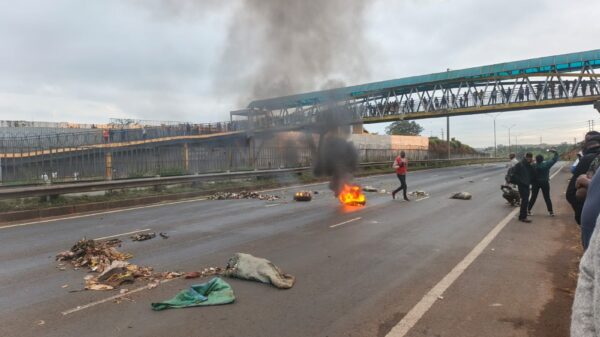
Now unemployed and struggling to feed his family of three, he joined hundreds of pro-opposition demonstrators on Monday in the capital Nairobi to protest the high cost of living in Kenya.
“Life has become difficult”, he said, as police and demonstrators exchanged volleys of tear gas and rocks.
“Are we the poor children of a lesser God?”
An economic and political powerhouse in East Africa, Kenya has seen a slew of ambitious infrastructure projects take off in recent years — but problems are festering beneath the ritzy facade.
Inflation hit 9.2 percent in February, according to the latest government figures.
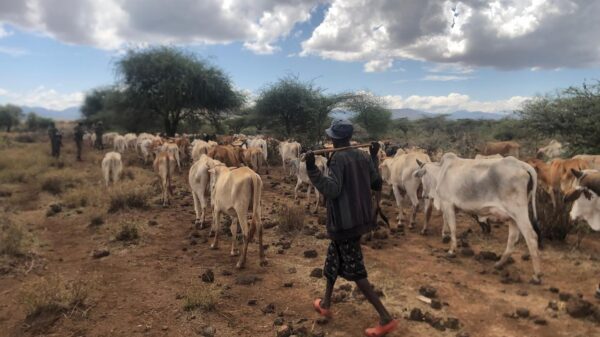
A record drought has left millions hungry, with a sixth rainy season between March and May forecast to fail.
The country’s currency, the Kenyan shilling, has sunk to historic lows, losing nearly four percent of its value against the dollar in the past month alone, according to the think tank Oxford Economics Africa.
Although the Covid-19 pandemic and the war in Ukraine have contributed to the crisis, protesters like Monari believe their government could do much more to ease their pain.
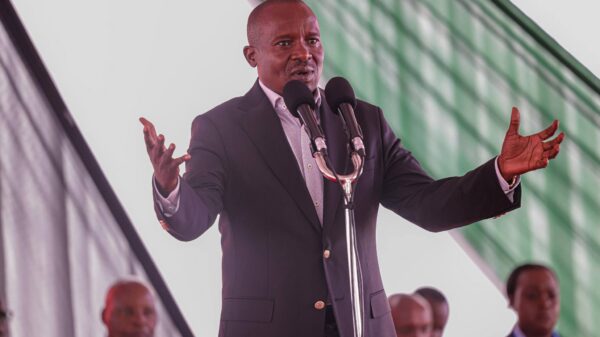
They are now set to stage demonstrations twice a week, throwing down a major challenge to President William Ruto’s administration, six months after he took office.
Monday’s protest proved costly, with Nairobi losing more than half its daily revenue as people kept away from the central business district, the city’s governor Johnson Sakaja said.
Deputy President Rigathi Gachagua said the demonstrations cost Kenya $15 million.
– ‘Unaffordable’ –
Ruto, a young ambitious leader, campaigned relentlessly for the August election on a promise to revive the economy and put money in the pockets of the downtrodden.
But his decision to remove subsidies for fuel and maize flour — a dietary staple — has sparked anger and incomprehension.
“Honestly, we don’t know what tomorrow or next week or next month will look like,” Jane Chege, 33, told AFP.
Her electronics shop has seen revenues slump by more than half in the past six months.
“Paying rent itself is a hustle. The cost of importing smartphones will soon be unaffordable for small businesses like mine.”
Economists say the future looks grim.
“Our short-term outlook remains tilted to the downside,” Shani Smit-Lengton of Oxford Economics told AFP, adding that the country would continue to suffer from a lack of foreign exchange for up to 18 months.
The dry weather spell is expected to dampen agricultural prospects, while the vital tourism industry, which accounts for almost 10 percent of GDP, may take a hit from the protests.
The weakening currency, now trading at around 140 shillings to the dollar, has also dealt a blow to debt-ridden Kenya’s loan repayment costs, which have ballooned.
Public debt currently amounts to about nine trillion shillings (around $70 billion), according to central bank figures, nearing the 10-trillion-shilling ceiling set last year by parliament.
The treasury has proposed to replace the ceiling with a debt anchor of 55 percent of GDP.
Until the government restructures the debt, the economic situation is unlikely to change, economist Reginald Kadzutu told AFP.
“We have been running an economy on debt that has not been that productive,” he said, adding that the economy had been “driven by government infrastructure spending.”
– ‘Borrowing to repay debt’ –
The International Monetary Fund is set to review the country’s credit facility in May, with more loans expected to be disbursed in June.
“The problem is that we are going for excessive debt, we are borrowing to repay debt,” Kadzutu said.
Nonetheless, the World Bank projects that Kenya’s economy will grow by 5.2 percent “notwithstanding current global and domestic shocks”.
Ruto meanwhile has sought to reassure investors and sent a warning shot to the demonstrators on Wednesday.
“I want to give my commitment that the business and investment environment in Kenya is secure and conducive,” he said.
He added that his government would “take robust measures… to demonstrate that no one is above the law by decisively combating impunity, lawlessness and disorder”.
But Monari and other Kenyans say they are in no mood to quit the fight.
“You can never get anything in this country unless you shout,” he said.