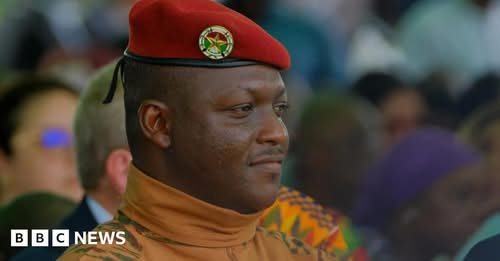










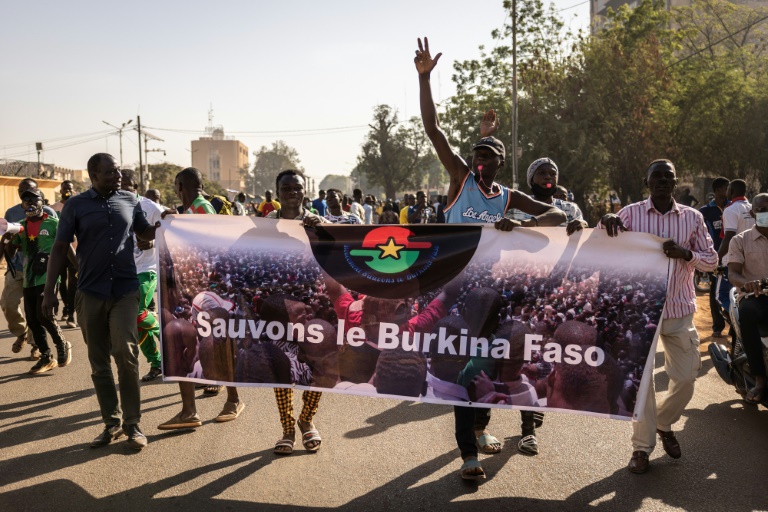

The January 23 coup d’état in Burkina Faso that ousted President Roch Marc Christian Kabore was the latest intriguing twist to the country’s recent violent history, coming only six years after the West African nation held its first-ever democratic elections.
Burkina Faso has been embroiled in a cycle of violent extremism fueled by jihadist groups operating in the region. However, the failure of the democratic transition in 2015 to deliver the much-hoped-for peace, stability and prosperity has contributed significantly to the current impasse.
In November 2020, President Kabore won a second term with a mandate of restoring stability to the country and its wobbling economy notwithstanding that the once peaceful, stable nation of over 60 ethnic communities was fast hurtling into chaos and violence.
Despite attempts to restore democracy and order, the jihadists continue to exploit Burkina Faso’s increasingly fragile social fabric to sow hate and division, propagating discontent among the population, and fanning inter-ethnic violence over power and resources.
According to the International Peace Institute, failure by the political elite to address the root causes of extremism has allowed the violent sectarians to thrive by ‘normalizing’ violence in the society. Even as the United Nations last year expressed “deep concern” at the “spiral of violence orchestrated by extremist groups” in the country, little was done to tame the crisis.
Humanitarian agency, Relief Web, warned that, “the incursion of regional Islamic extremist groups has challenged the resilience of state security mechanisms as well as the capacity of its fledgling democratic institutions…… It is unlikely that Burkina Faso will be able to withstand further shocks over the long term….”
The recent events in Burkina Faso therefore introduced yet another violent dimension to the deteriorating situation, plunging the country into political paralysis. The primary lesson from the dramatic events in Burkina Faso is that extremism, if allowed to take root, can seriously undermine State and social institutions’ capacity to guarantee peace, stability and security for the citizens.
Persistent extremism erodes democracy and violates the rule of law and justice.
From a Kenyan perspective, terrorism (a violent manifestation of extremism) remains a real threat to peaceful co-existence, political and economic stability. However, of concern is the increasingly polarized political atmosphere as the 2022 elections approach.
The great 18th-century American statesman, James Madison warned of the perils of polarization which he termed ‘violence of the faction’ as a serious threat to democracy. Growing intolerance for opposing political views is a driver of our polarized politics. Intolerance is a form of extremism and weakens the ability of democratic institutions to provide long-term political, social and economic stability.
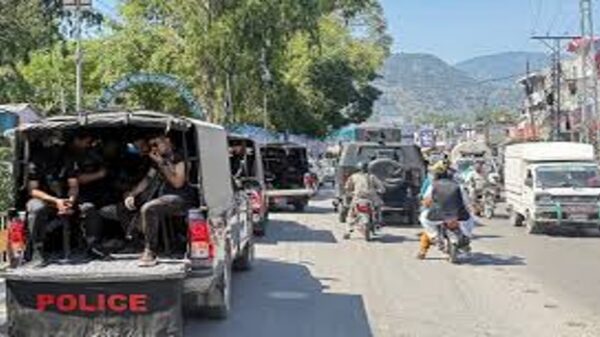
Violent extremists have been known to leverage elections to advance their agenda. This may be seen in increased frequency of attacks on civilians and security personnel during the election cycle. Take the case of the IED attack on a bus in Mandera this week that killed 13 people. Or the arson attacks early January in Lamu that left ten dead and linked to terrorists.
Domestic political actors could also capitalize on local grievances over power and resources, especially where exclusion is a major issue, to create tensions leading to violence. Criminal gangs and militia are highly active during the election season either as opportunists engaging in crime or acting at the behest of politicians.
Where minorities at national and county level feel left out of elective and governance positions, this is likely to precipitate disaffection against those seen as belonging to or supporting the dominant group thus further polarizing the electorate and communities.
An inclusive approach to leadership and governance particularly at the devolved level is critical to averting violence before, during and after the elections.
Priority must be given to taming election-related violence and reversing the growing tide of polarization so as to ensure Kenya avoids the dangerous trajectory that has pushed other nations over the abyss.
Mr. Mwachinga is an Advocate of the High Court of Kenya. emwachinga@yahoo.co.uk