





NAIROBI, Kenya, Jan 9 — For decades, Kenya’s economic stability has been partly underwritten by a multilateral framework anchored in Washington. That anchor has now been dislodged.
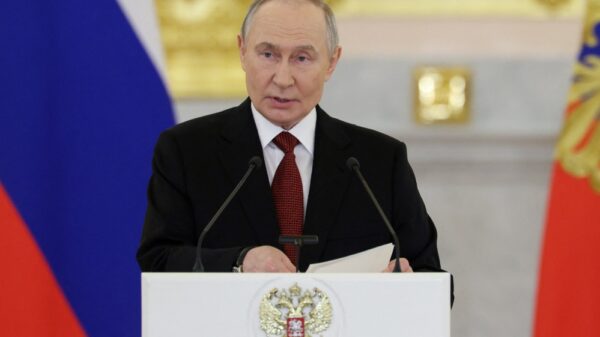
President Donald Trump’s directive on Thursday to withdraw United States support from 66 international organizations — including the UN Framework Convention on Climate Change (UNFCCC), the UN Population Fund (UNFPA), and the International Trade Centre — poses an immediate fiscal shock to Kenya’s development trajectory.
The first casualty is predictability. From the flower farms of Naivasha to the tech incubators of Kilimani, Kenyan enterprise must now price in the risk of a chaotic dismantling of the global trade and aid architecture.
The most pressing concern for the Kenya Private Sector Alliance (KEPSA) remains the fate of the African Growth and Opportunity Act (AGOA). While the administration’s withdrawal specifically targets what it calls “globalist” UN bodies, the isolationist signal casts a long shadow over bilateral trade.
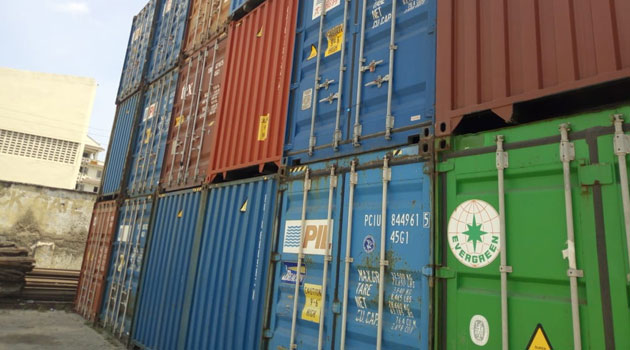
With the original AGOA framework having expired in September 2025, Kenyan exporters are currently operating under a fragile one-year temporary extension. Washington’s exit from the International Trade Centre — a body critical for technical trade assistance — signals little appetite for renewing capacity-building for African exports.
If preferential access lapses in late 2026, Kenya’s textile and apparel sector will face an existential crisis. A reversion to standard tariffs could push costs for Kenyan goods entering the US up by as much as 20 per cent, rendering them uncompetitive against Asian rivals. This would put nearly 67,000 direct jobs at risk, most of them in Export Processing Zones (EPZs), and sever a vital artery of foreign exchange, piling pressure on the shilling.
The withdrawal from health-focused multilateral bodies also presents a quieter but potentially massive liability for Kenyan employers. The executive order targets the UN Population Fund (UNFPA), a key driver of maternal health and gender programmes. Coupled with funding freezes to agencies supporting World Health Organization mandates, the move threatens to reverse hard-won public health gains.
The US has historically been the financial backbone of Kenya’s fight against HIV/AIDS, malaria, and tuberculosis. As donor funding recedes, the burden of healthcare financing will inevitably shift to the Kenyan exchequer and the private sector.
Business leaders should therefore brace for higher insurance costs and a hit to workforce productivity. A resurgence of communicable diseases or a weakening of maternal health support will directly affect labour force availability. For Kenyan corporations, this is a bottom-line issue: a sicker workforce is a more expensive workforce.
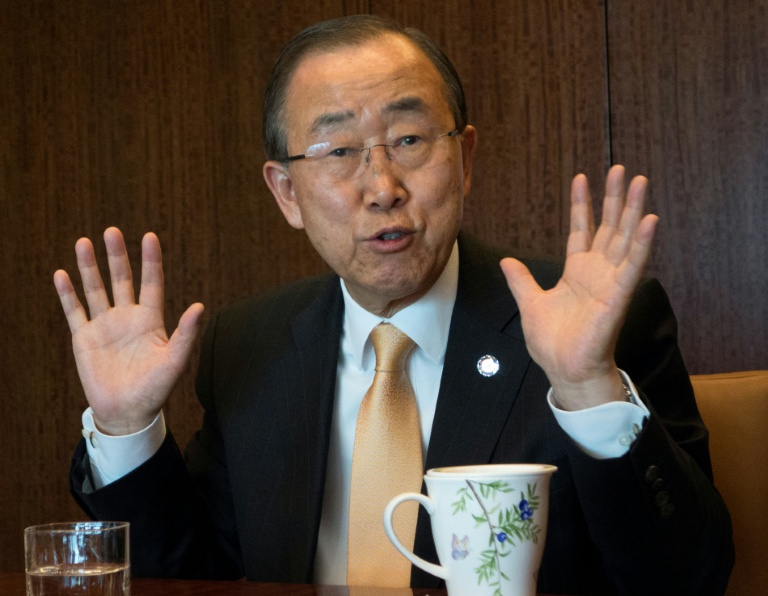
Perhaps the most structurally damaging move is Washington’s exit from the UNFCCC and the Paris Agreement. UN Climate Change Executive Secretary Simon Stiell described the decision as a “colossal own goal,” but for Kenya, the damage is tangible.
Kenya’s green energy grid and climate adaptation projects are heavily leveraged on promised climate finance, much of which is now effectively frozen. The US withdrawal undermines the market confidence required for carbon credit instruments that Kenya has banked on to finance major infrastructure. Projects dependent on Green Climate Fund disbursements may now face indefinite delays. For the construction and energy sectors, this points to a sharp contraction in government tendering in the 2026/2027 fiscal year.
Kenya may now have little choice but to accelerate the operationalisation of the African Continental Free Trade Area (AfCFTA) to compensate for a threatened US export market. A recalibration of foreign policy towards Beijing and Brussels may also be inevitable as Nairobi seeks partners still committed to multilateralism.
For the Kenyan CEO, the directive is clear: diversify supply chains immediately, hedge against dollar volatility, and prepare for a business environment in which American aid no longer underwrites Kenya’s social and economic stability.