




















KAMPALA, Uganda May 28 — Uganda has shut sections of its border with the Democratic Republic of Congo after authorities confirmed seven Ebola cases linked to the ongoing outbreak in eastern Congo that has reportedly killed at least 220 people and infected more than 1,000 others.
The Ugandan government said the move was aimed at containing the spread of the deadly virus and protecting communities living along the porous cross-border regions that experience heavy daily movement of traders, transporters and families.
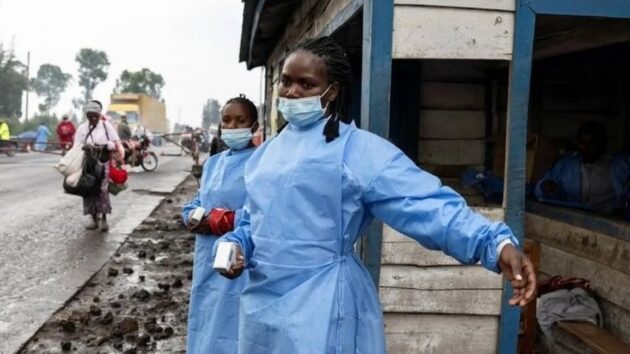
Health officials in Uganda confirmed that the recorded cases were detected in western districts near the DR Congo border, prompting emergency containment measures including intensified screening, contact tracing, isolation of suspected cases and restrictions on cross-border movement.
The decision comes amid growing regional concern over the escalating Ebola outbreak in the Democratic Republic of Congo, where health authorities and humanitarian agencies have been battling rising infections in conflict-affected areas with limited healthcare access.
Ugandan authorities said surveillance has been heightened at border points, airports and health facilities across the country as officials race to prevent wider transmission.
The Ministry of Health urged citizens to remain vigilant and immediately report symptoms associated with Ebola, including fever, vomiting, bleeding, fatigue and severe weakness.
Regional health experts have warned that the outbreak poses a significant cross-border threat due to frequent movement between Uganda and eastern Congo.
Uganda has previously dealt with multiple Ebola outbreaks and has established emergency response systems, treatment units and rapid response teams to manage suspected cases.
The World Health Organization and regional health agencies are also supporting response efforts through laboratory testing, vaccination campaigns, public awareness programs and deployment of emergency health personnel.
The latest development is expected to raise fresh concerns across East Africa, with neighboring countries likely to intensify surveillance and preparedness measures to guard against possible spread of the virus.