
















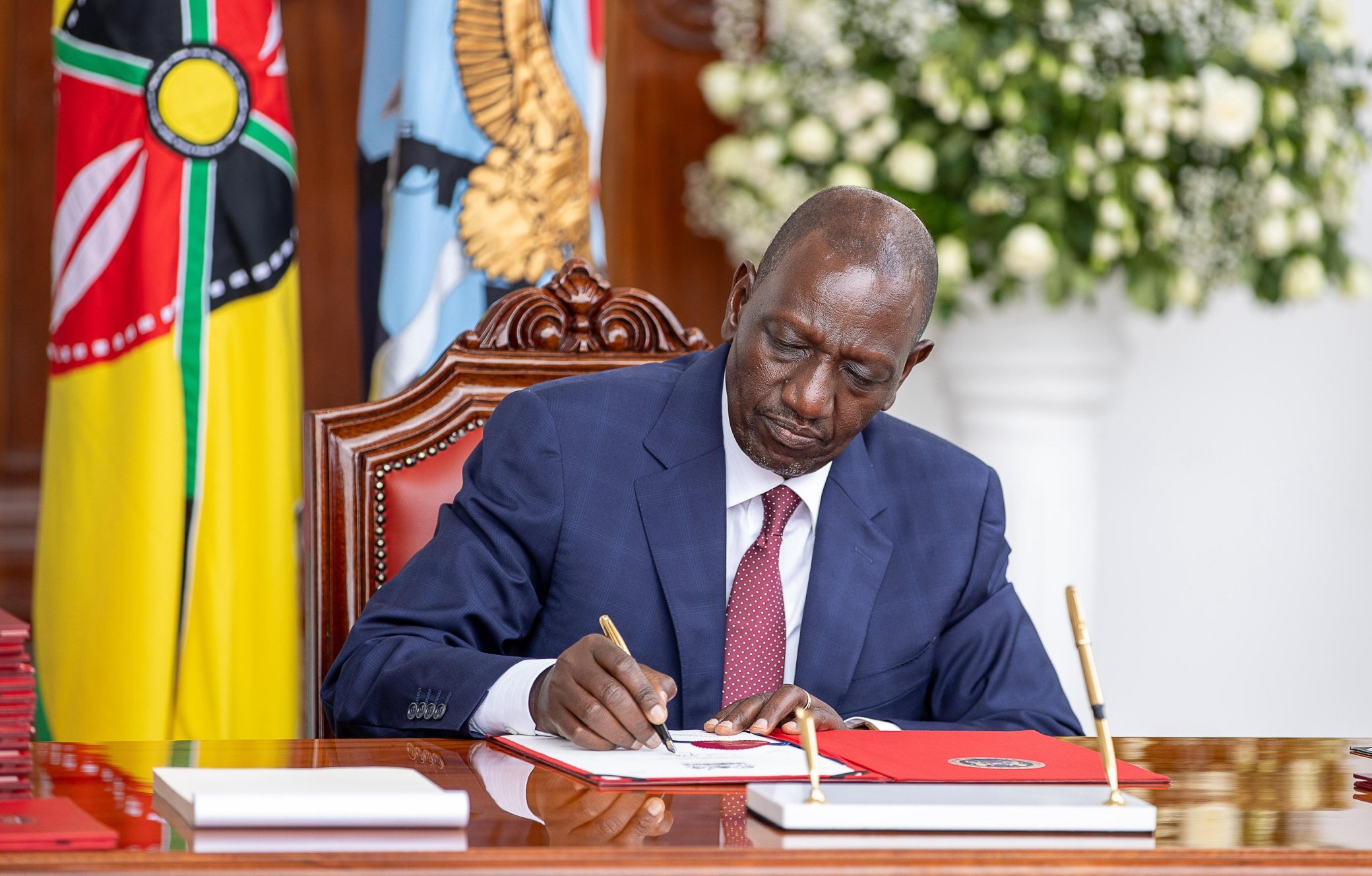

NAIROBI, Kenya, May 11 – President William Ruto has signed into law a set of investment and taxation reforms that the government says are aimed at improving competitiveness in attracting large-scale investors and technology firms.
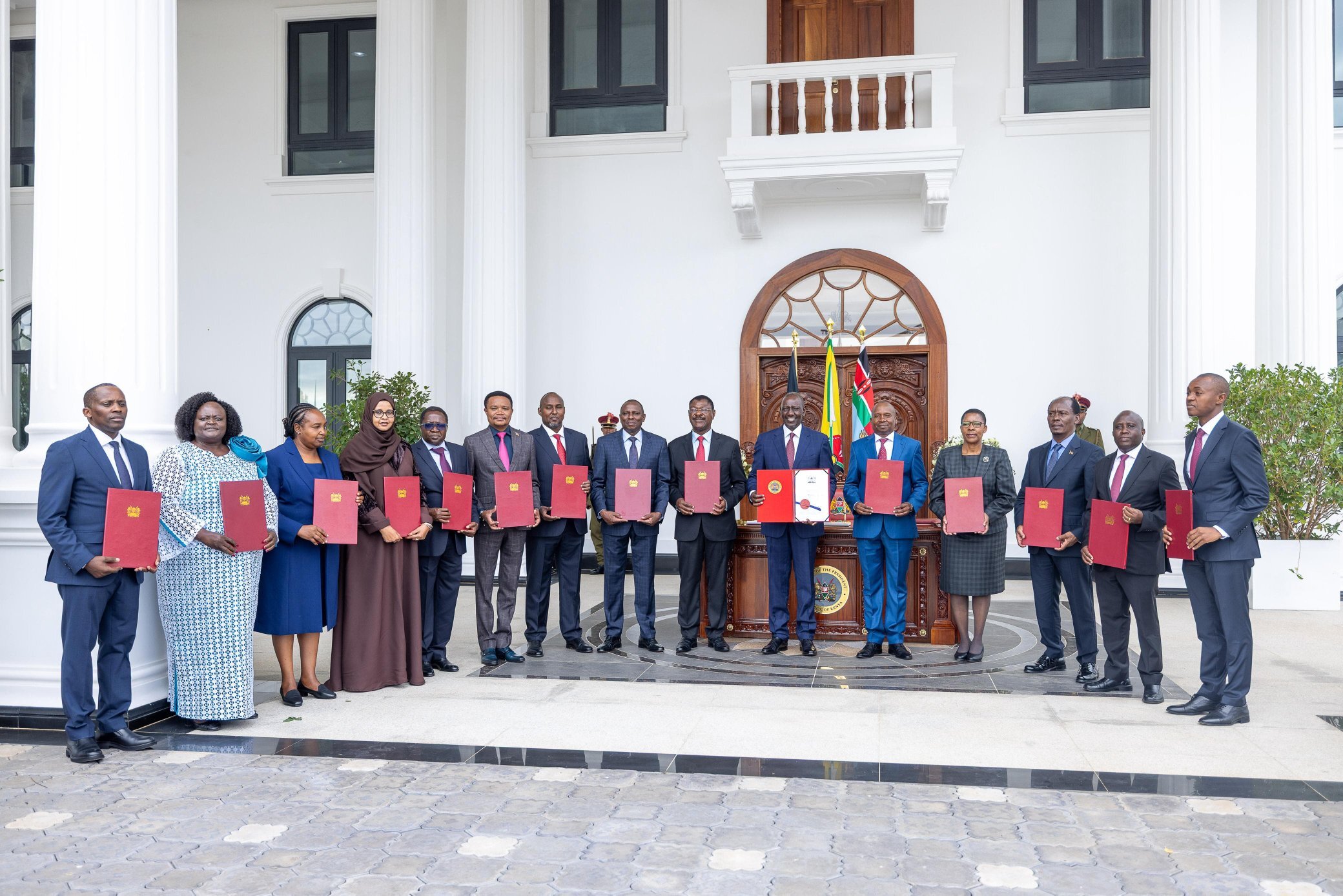
The President assented to the Income Tax Bill, the Special Economic Zones (Amendment) Bill and the Technopolis Bill at State House Nairobi on Monday.
The new laws introduce changes in tax administration, special economic zone operations and the regulation of technology and innovation hubs, as Kenya moves to position itself as a regional investment destination amid growing competition for foreign capital in Africa.
Among the key changes is the restructuring of the administration of Capital Gains Tax under the Income Tax Act, with the government seeking to align Kenya’s tax framework with international taxation standards and simplify compliance procedures for investors and businesses.
The Special Economic Zones amendments significantly widen the sectors eligible to operate within the zones, including oil and gas, agro-processing, mining, manufacturing and advanced technology production.
The law also grants investors operating within special economic zones a minimum licence period of 10 years, a provision expected to benefit large infrastructure and industrial projects that require longer investment cycles.
Its perceived that the changes could increase investor certainty, particularly for multinational firms seeking stable regulatory timelines before committing capital-intensive investments.
At the same time, the Technopolis Act establishes a legal structure for the creation and management of technopolises specialised innovation and research hubs designed to attract technology companies, startups and research institutions.
The government hopes the framework will support the country’s ambition of becoming a regional technology and innovation centre while improving coordination of government services through integrated digital hubs.
The government is seeking to boost private sector investment, expand industrialisation and increase foreign direct investment inflows amid economic pressures and rising public debt concerns.