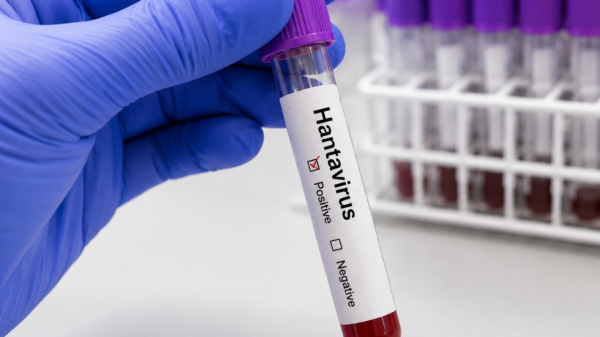











NAIROBI, Kenya, May 8 — The World Health Organization’s Pandemic Agreement remains stalled in Geneva as African leaders and health advocates push back against what they describe as the continued exploitation of the continent’s pathogen and genetic data without guaranteed access to life-saving medicines and vaccines.
At the center of the deadlock is the unresolved Pathogen Access and Benefit-Sharing (PABS) system, a mechanism intended to govern how countries share pathogens with pandemic potential and how benefits arising from their use are distributed.
African negotiators and civil society groups argue that the current global health framework disproportionately benefits wealthy nations and pharmaceutical manufacturers while leaving low-income countries vulnerable during global health emergencies.
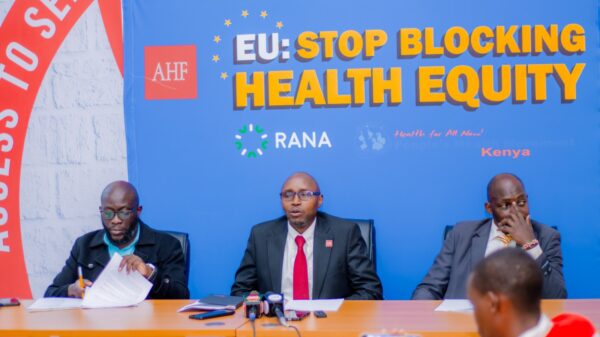
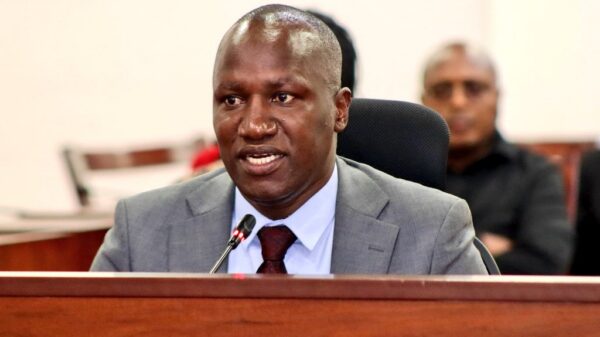
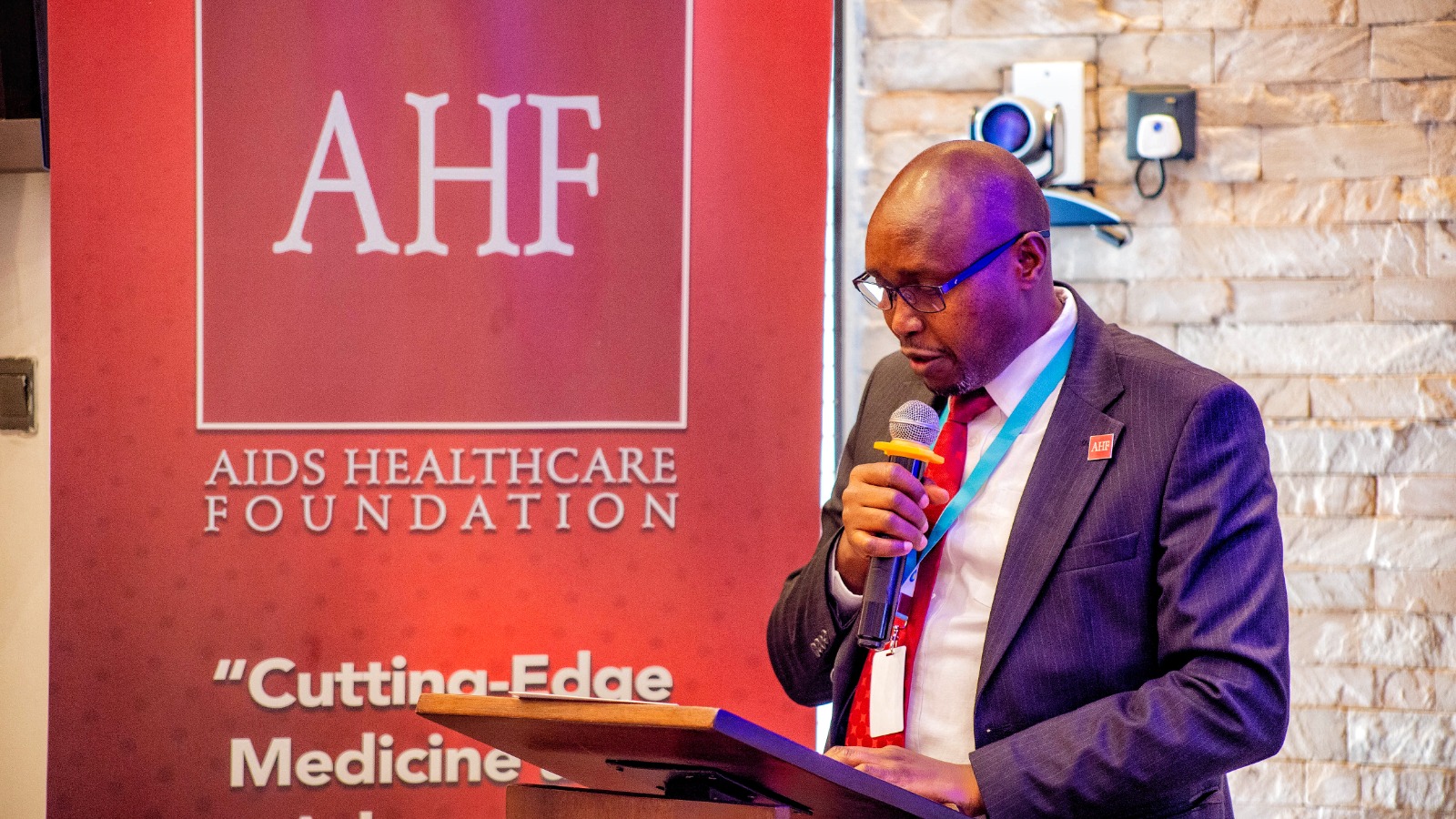
“Data from pathogens is intellectual property for the country, and as a result, it is a right for them to demand that they share in the technology, in the treatments… and in the vaccines that are going to come from it,” said Dr. Samuel Kinyanjui, Country Director for AHF Kenya.
Kinyanjui said Africa’s experience during the COVID-19 pandemic exposed deep inequities in the global health system, noting that although the continent accounts for nearly 20 percent of the world’s population, it received only about 3 percent of COVID-19 vaccines, most of them arriving late in the pandemic.
“The data sharing mechanism cannot be open to be used and abused by anyone; it needs to be a closed system,” he stated
The standoff has revived memories of the HIV/AIDS crisis in the 1990s, when antiretroviral drugs remained unaffordable for millions across Africa due to high costs and limited access to manufacturing technology.
African negotiators are now demanding binding commitments on technology transfer to avoid repeating what they see as a historic injustice, arguing that dependence on Western production during pandemics leaves developing countries exposed as richer nations prioritize their own populations.
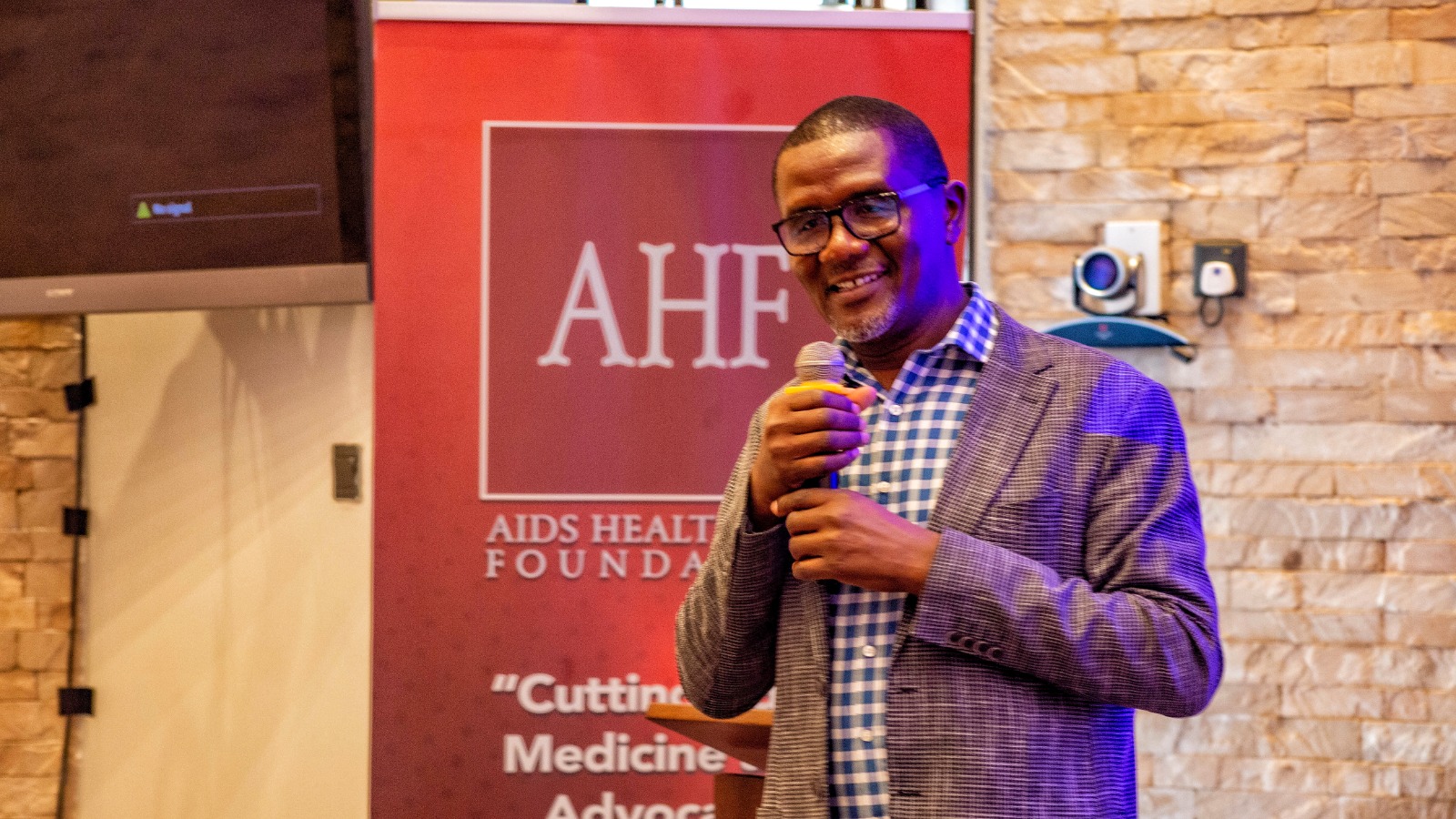
Aggrey Aluso, Executive Director of Resilience Action Network Africa (RANA), said the negotiations reflect broader geopolitical and commercial interests shaping global health governance.
“We must build a system that is creating an enabling environment for us to respond to other emerging diseases,” Aluso said.
He warned that the overwhelming focus on COVID-19 weakened responses to other major health challenges such as HIV and tuberculosis across Africa because many countries lacked resilient healthcare systems.
“Our governments will respond only when we show that it is important for us. This space is not innocent. It is laden with a lot of interest and you don’t know who is making the decisions behind the scenes,” he added.
Health advocates say Africa’s growing pharmaceutical manufacturing capacity should translate into a more equitable relationship in future pandemic responses rather than continued dependence on external suppliers.
Diana Tibesigwa, AHF Regional Advocacy and Policy Manager for East and West Africa, said equity and accountability must remain central to the final agreement.
“The discussion of equity and accountability should not be something to question or fight against,” she said.
“Let us be flexible in sharing the IP. And our voice out there as AHF is that we need equity. We need equity. And we are saying no equity, no agreement.”
The WHO Pandemic Agreement was adopted by the World Health Assembly in May 2025 after three years of negotiations and is intended to strengthen global preparedness and response to future pandemics.

However, the agreement cannot be opened for signature until negotiations on the PABS Annex are concluded.
The treaty will only enter into force after ratification by at least 60 countries.
The PABS mechanism under Article 12 seeks to establish rules for sharing pathogens with pandemic potential and ensuring fair distribution of benefits derived from vaccines, diagnostics, therapeutics, and related technologies developed using the shared data.