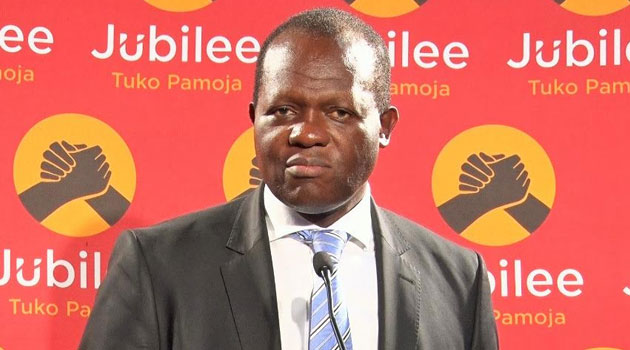












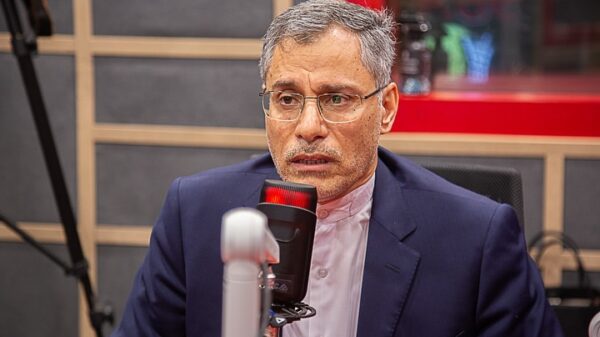


NAIROBI, Kenya Mar 26 – 2027 Presidential aspirant Eliud Owalo has unveiled an ambitious tax reform agenda, promising sweeping reductions aimed at easing the cost of living and unlocking opportunities in the digital economy.
Speaking during an interview on Capital In The Morning Show, Owalo said that if elected President of Kenya, he would cut income tax from 35 percent to 20 percent, describing the move as essential to increasing disposable income for Kenyans.
He also pledged to lower Value Added Tax (VAT) from 16 percent to 10 percent, arguing that VAT is a key driver of high consumer prices.
“VAT, which is a major contributor towards the high cost of living index, I’m going to reduce it instantly from 16% to 10%,” Owalo said.
Owalo further announced plans to abolish digital taxes entirely. He framed the proposal as a strategy to empower youth and stimulate innovation.
“The digital space is one space where we have got enormous potential and opportunities to enable our youth exploit their full potential either by way of digital skilling or digital jobs and by extension they end up becoming digital entrepreneurs and I want us to go the full hog and exploit this uh to the highest level possible,” he said.
The long-time governance consultant and strategist explained that technology-driven systems can seal revenue leakages, improve transparency and restore public trust in government.
Owalo also has dismissed allegations that his 2027 bid is intended to divide votes or serve external political interests.
The former President’s Deputy Chief of Staff and ICT Cabinet Secretary Owalo questioned the logic behind claims that he is covertly aligned with the administration.
He argued that his decision to pursue the presidency independently contradicts suggestions that he is acting on behalf of others.
“If I wanted to work towards 2027 elections why would I walk out of the upper echelons of government and work from outside? It just doesn’t make sense,” he stated.
Owalo has positioned himself as a reform-oriented candidate focused on economic restructuring and governance efficiency, though questions remain about his political base and electoral viability.