
















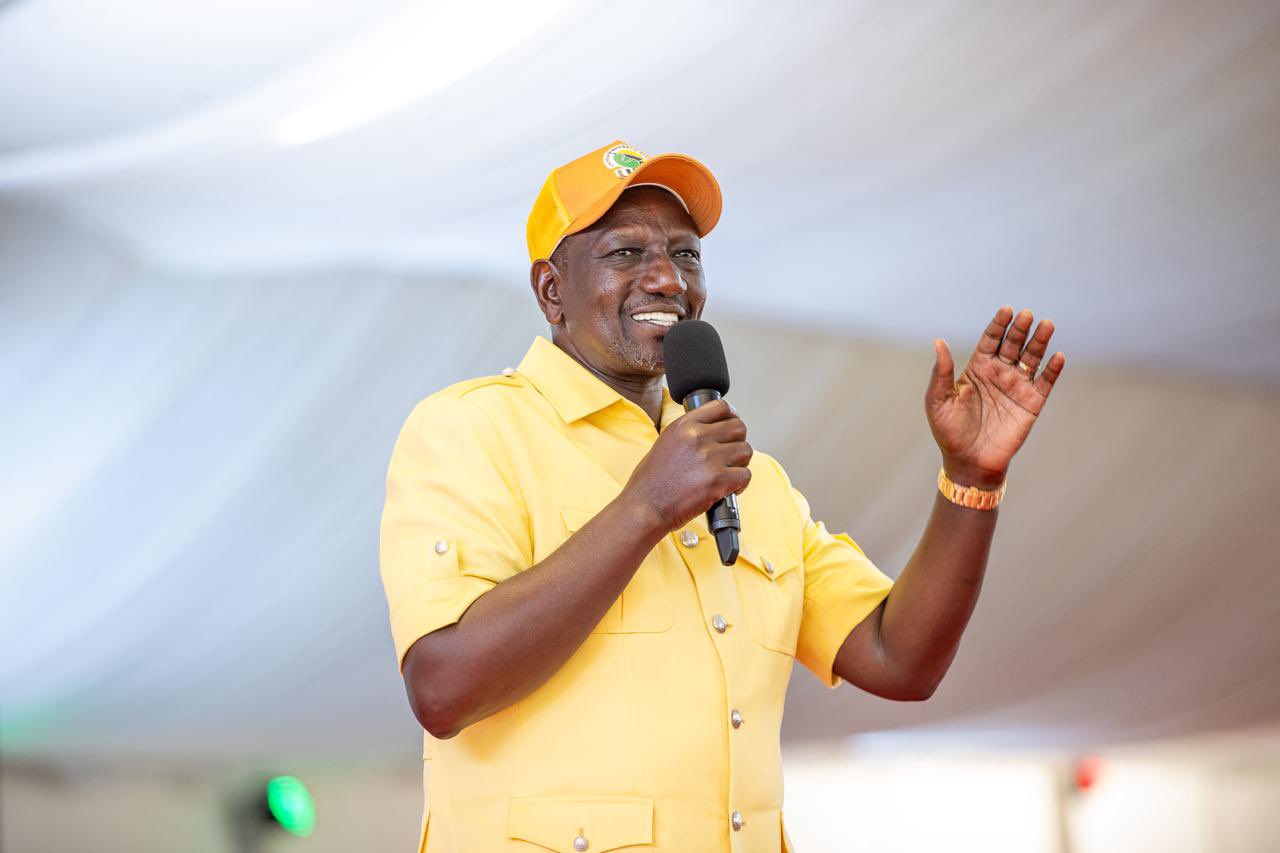

NAIROBI, Kenya, Jan 28 — President William Ruto announced on Wednesday that he will seek court interpretation on the legal status of political party manifestos in government policy implementation, citing repeated legal challenges that have slowed the rollout of his administration’s agenda.
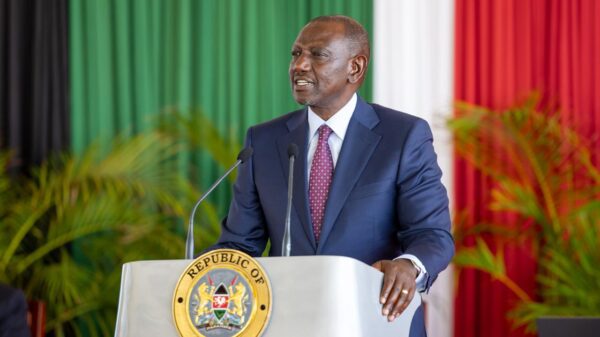
Speaking during the swearing-in ceremony of fifteen newly appointed Court of Appeal judges at State House, Nairobi, on Wednesday Ruto said judicial clarity is needed on how far an electoral manifesto can guide policy once a government assumes office.
“I will be in a short while approaching the court to help me understand the place of a policy document called a manifesto,” Ruto said.
“You all understand that the ultimate authority of Kenya is the people of Kenya, and they speak to us through their decisions, including through their vote.”
The President questioned where a manifesto stands when its implementation faces court challenges, particularly on grounds such as public participation.
“I will want to understand when the people of Kenya vote for a manifesto, and a manifesto is endorsed as a policy document by millions of Kenyans, where does that manifesto stand when the implementation of that manifesto is challenged, sometimes on account of public participation, to the detriment of millions who voted for it,” he said.
Policy-based politics
Ruto emphasized the need to shift political discourse from personalities to policies and ideas captured in manifestos.
“Progressively, we want to move away from our political discourse being around personalities or individuals and more towards policies, programs and ideas that get captured in a manifesto upon which a government is established,” he said.
“I will be respectfully approaching the court to help all of us understand. Maybe if the manifesto is not very important, then we stop wasting time putting it together.”
He added that voters increasingly want to elect leaders based on policy priorities and transformative agendas rather than personalities.
The remarks come amid ongoing tensions between the Executive and Judiciary over rulings that have halted or delayed key elements of the Kenya Kwanza administration’s program.
Independence and interdependence
In November 2025, Deputy President Kithure Kindiki similarly raised concerns that court decisions were impeding the government’s development agenda.
Kindiki decries judicial rulings impeding manifesto implementation
During the launch of the State of the Judiciary and Administration of Justice Report 2024/2025, Kindiki called for clarity on the intersection between judicial independence and the roles of other arms of government.
“There is no dispute on whether the Judiciary is supposed to be independent. What we are looking for is clarity on where that independence meets interdependence with other arms of government,” Kindiki said.
He emphasized that judicial independence should be confined to decisional, financial, administrative, and operational independence, noting that cooperation with other state organs is essential for democratic governance.
Kindiki also urged courts to focus on socioeconomic rights under Article 43 of the Constitution, noting that the government’s manifesto prioritizes the progressive realization of these rights alongside civil and political liberties.
“Our country has done well in providing a robust interpretation of the Bill of Rights, but we have concentrated on civil and political rights,” he said.“The Constitution places socioeconomic rights at the center. You have a challenge, the Judiciary of Kenya, to interpret Article 43.”