












NAIROBI, Kenya, Jul 7 – The Kenya Medical Association (KMA) has condemned the obstruction of healthcare workers and ambulances during national protests, warning that traffic blockades are severely undermining access to critical medical services.
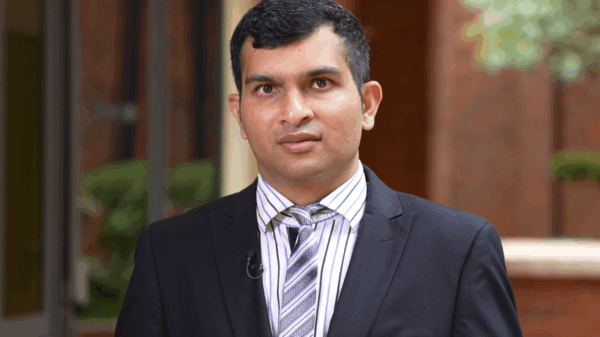
In a statement issued Monday, KMA Secretary General Dr. Diana Marion expressed dismay at the systematic disruptions experienced during both the June 25 Gen Z protests and the Saba Saba demonstrations that were underway in the capital and other major towns.
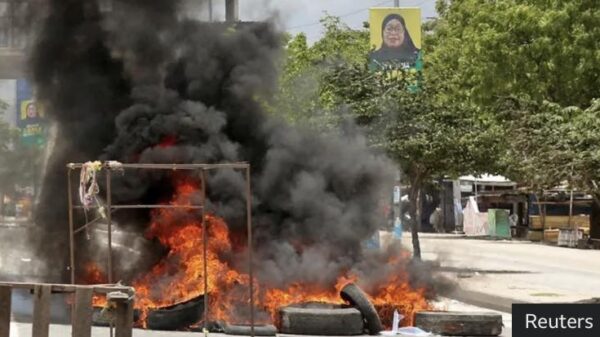
The association said barricades on major roads and within urban centers have critically impeded the movement of health professionals and emergency medical transport.
“Road blockades are not just a traffic issue—they are a healthcare crisis. They are delaying or denying access to lifesaving care,” Dr. Marion said.
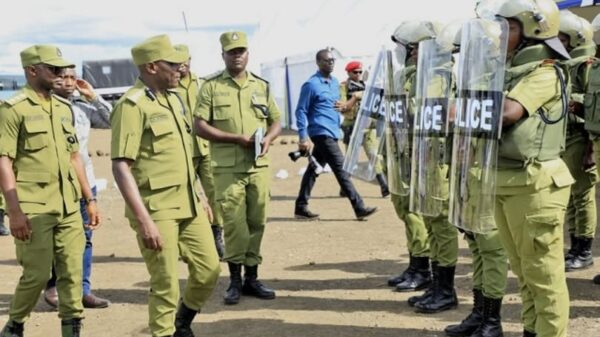
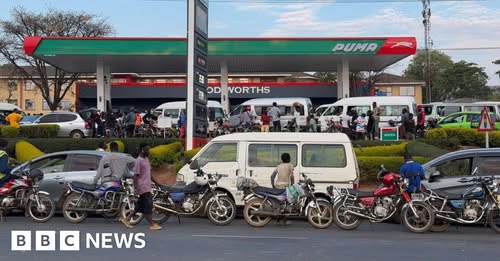
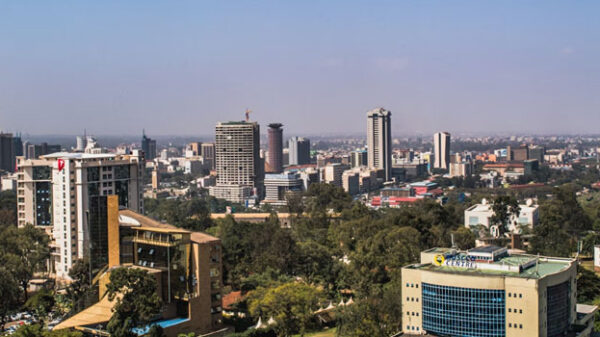
The warning came as police in Nairobi erected multiple roadblocks early Monday, effectively halting ambulances and private vehicles in a bid to thwart the planned Saba Saba protests.
Barricades and coils of razor wire were deployed along all major routes into the Central Business District, including Waiyaki Way, Kenyatta Avenue, Thika Road, Jogoo Road, Mombasa Road, Kiambu Road, Uhuru Highway, and Valley Road.
According to directives issued by the National Police Service, only vehicles deemed to serve “emergency needs” and official government transport were permitted entry into the city centre.
Despite public assurances from authorities that services would operate normally, many commuters were forced to disembark from matatus and private vehicles, walking long distances to reach their destinations.
Alarmingly, ambulances were among those stopped or delayed at checkpoints.
Medical neutrality
Hospitals raised concerns that the disruption could jeopardize timely medical care and endanger lives.
While some pedestrians were selectively allowed to proceed, health sector stakeholders said the arbitrary enforcement further exposed the fragility of public service access during heightened security operations.
KMA noted several incidents where ambulances carrying injured protesters or civilians were unable to reach health facilities due to deliberate road barricades or vehicle stoppages.
In some cases, emergency personnel were reportedly turned away or intimidated by protesters and security agents alike.
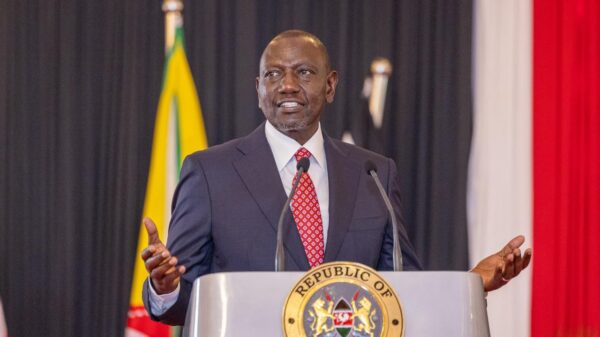
Interior Cabinet Secretary Kipchumba Murkomen defended the sweeping restrictions, characterizing the Saba Saba protests as “terrorism disguised as dissent” and stating that security forces were under firm instructions to act decisively against any perceived threats.
However, motorists, civil society groups, and medical professionals roundly condemned the move.
Rights organizations argued that the blanket restrictions—particularly the obstruction of ambulances—violated constitutional guarantees of access to essential services, and disregarded Kenya’s commitment to uphold medical neutrality during times of unrest.
Right to Health
KMA cited Article 43(1)(a) of the Kenyan Constitution, which guarantees every citizen the right to the highest attainable standard of health, adding that the country, as a signatory to the Geneva Conventions, is obligated under international law to uphold medical neutrality—even during times of unrest.
The Association called on the National Police Service (NPS) to issue immediate orders ensuring unobstructed passage for all healthcare workers and ambulances during protests.
It also urged the Ministries of Interior and Health to develop and enforce operational protocols to protect medical access during civil unrest.
KMA further appealed to protest organizers and participants to respect medical spaces and staff, strictly avoid blocking ambulances, and refrain from using healthcare facilities as shields during demonstrations.
“Healthcare is not a target. Medical neutrality is not optional,” the agency declared.
“The repeated failure to uphold these principles is costing lives.”