

















NAIROBI, Kenya, May 27 — A section of Members of Parliament have opposed the planned digital recruitment of police officers, warning that the move risks excluding thousands of qualified but disadvantaged youth, especially from marginalized regions.
Members of the National Assembly Committee on Administration and Internal Security raised serious concerns about the exclusionary nature of the online recruitment model and called for a more inclusive approach that reflects Kenya’s social and technological disparities.
The National Police Service (NPS) and the National Police Service Commission (NPSC) had earlier revealed that the service has lost 4,569 officers since the last recruitment in 2022— including over 1,200 deaths, 326 resignations, and nearly 2,600 retirements.
Inspector General of Police Douglas Kanja warned that staffing shortages are already affecting security operations across the country ahead of the 2027 general election.
Despite needing Sh6.3 billion to recruit and train 10,000 officers, Parliamnet has only allocated the service Sh2.9 billion. NPS has scheduled recruitment for June, with training expected to commence in July.
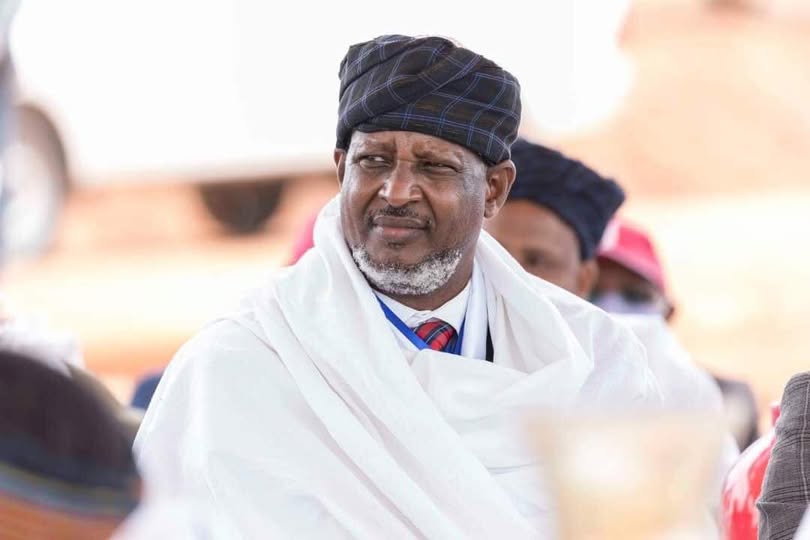
Committee Vice Chair Diddo Rasso (Saku) denounced the proposal as premature and unsuitable given Kenya’s current level of development, saying it would lock out individuals from arid and semi-arid regions.
Marginalized
The Saku lawmaker argued that the digital model would further divide the country along technological and economic lines, warning that many communities still lack basic internet access.
“We don’t need to go in circles; we just need to address the issue of corruption. How can we promote prudence in our forces? As a people’s representative and patron of the Pastoralist Parliamentary Group, I will not support this—maybe in the future when Kenya is industrialized. What jurisdiction have you borrowed this model from?” Rasso posed.
Sotik MP Francis Sigei emphasized that the recruitment process is too sensitive warning NPS against handling it “casually or blindly” through digital platforms, especially given the high level of unemployment.
“This is a serious, critical, emotional, and sensitive process. Unemployment is very high, and most applicants don’t just want the job—they need it,” he said.
“It’s easy to come here and lecture us on what needs to be done. But when you factor in population and poverty indices, we must be practical and extremely cautious. Recruitment is next month. We can’t afford mistakes,” Sigei added.
Loima MP Protus Akujah also raised concerns, arguing that communities along Kenya’s borders continue to suffer from insecurity and that digital recruitment would only deepen their isolation.
“We aren’t even feeling the impact of police in those areas,” he said.
“Now you want us to go digital in areas without internet? Others will end up applying on behalf of the local youth. How will you address that?” Akujah posed.
The lawmakers also questioned whether NPS had in place sufficient public awareness and grievance mechanisms to support the new system, citing the need for a complaints desk to monitor fairness and accessibility during the recruitment exercise.
Curbing corruption
In defense of the digital model, Inspector General Kanja said the shift is a necessary step to curb corruption, which has long plagued police recruitment.
“We have made it clear that we will not allow corruption in the National Police Service. That’s why we have involved the EACC and DCI in this process,” Kanja told the committee.
“I joined the service with only Sh30 in my pocket. That was my fare. No bribes. That’s the kind of system we are trying to bring back.”
NPSC CEO Peter Lelei echoed the Inspector-General’s sentiments, calling the police recruitment process a “national shame” riddled with bribery and favoritism.
“People are required to pay huge sums just to get in. If we don’t confront this now, the status quo will remain. This digital system is our boldest chance to clean it up,” Lelei stated.