
















For years, African countries have heavily relied on foreign aid from Western nations, but this dependency has often stifled meaningful progress across the continent. Over-reliance on these donations has fostered a passive approach among many African leaders, who wait for assistance rather than actively driving their own development. The recent pause in foreign aid by the United States has served as a wake-up call, pushing African leaders to reassess their reliance on Western assistance and seek alternative paths to modernization.
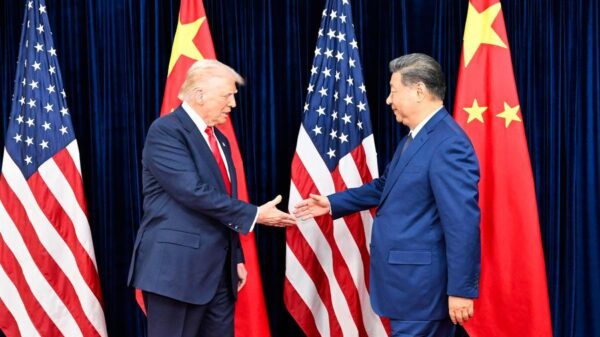
Historically, foreign aid has been a central pillar of Africa’s relationship with Western powers, often coming with terms that primarily benefit donor countries. While Africa has depended on the West for trade, investment, and aid, these arrangements have frequently failed to translate into real economic progress, as recipient nations are often required to conform to the political and economic conditions imposed by donors. Under President Donald Trump, the United States significantly reduced its engagement with Africa, excluding the continent from major foreign policy discussions. With the African Growth and Opportunity Act (AGOA) set to expire in September, African nations must now begin charting their own paths. Trump’s “America First” policies strained longstanding international alliances, exposing Africa to an increasingly transactional approach from the United States.
This trend of Western aid reduction extends beyond the United States. Countries like the United Kingdom, Germany, and other European nations have also scaled back their commitments to Africa. In contrast to this retreat, the Sino-Africa partnership—primarily facilitated through the Forum on China-Africa Cooperation (FOCAC)—has emerged as a strong alternative, offering significant investments in Africa’s infrastructure and industrialization.
FOCAC has proven to be a crucial mechanism for development, providing Africa with tangible benefits that extend beyond the “soft” assistance typically offered by Western aid programs. China’s approach prioritizes infrastructure and industrialization, whereas Western aid often focuses on abstract objectives like governance reforms and humanitarian assistance. By investing in roads, railways, ports, and energy projects, China has addressed Africa’s most urgent development needs while simultaneously enhancing trade and connectivity.
Beyond infrastructure, China’s commitment to Africa is evident through initiatives like the China-Africa Industrial Cooperation Strategy and the Belt and Road Initiative (BRI), which promote industrial growth, job creation, and technology transfer. These investments are essential for Africa’s long-term economic diversification, helping the continent shift from raw material exports to more sustainable industries.
The reduction of Western foreign aid has only reinforced the importance of this evolving Sino-Africa partnership. With traditional donors withdrawing, many African governments have sought alternative sources of investment, and China has stepped in as a reliable partner. Unlike Western donors, which tend to focus on governance, anti-corruption measures, and military training, China’s large-scale development projects are directly reducing poverty, stimulating economic growth, and fostering regional integration.
As this year marks the 25th anniversary of FOCAC, it is evident that the partnership has become a crucial driver of Africa’s modernization, offering a viable alternative to declining Western aid. The shift away from dependency on Western donors presents African nations with a chance to explore new avenues of development through Sino-Africa cooperation. By prioritizing infrastructure, industrialization, and human capital, China has positioned itself as a key partner in Africa’s quest for modernization.
As African countries seek to diversify their economic growth and reduce reliance on traditional donors, FOCAC offers a practical, sustainable, and mutually beneficial path forward. Rather than waiting for assistance, Africa now has the opportunity to engage in partnerships that prioritize long-term development over short-term relief.
The writer is a journalist and communication consultant.