











NAIROBI,Kenya, Mar 6-The National Treasury has been urged to speed up the harmonization of customs and excise duty on ethanol in the East Africa Community (EAC) region to protect Kenyans from exploitation by unscrupulous dealers and traders.
Interior Cabinet Secretary Kithure Kindiki on Wednesday called on the Njuguna Ndung’u-led Ministry to complete the process within 45 days.
“The National Treasury is urged to fastrack the harmonization of customs and excise duty on ethanol in the EAC region to prevent arbitrage within 45 days,” Kindiki said when he announced a fresh directive aimed at combating trade in illicit alcohol and drug abuse.
Kindiki added that the Kenya Bureau of Standards shall within 45 days ensure that all industrial ethanol is denatured or marked with a denaturing agent (denatonium benzoate) to prevent diversion and/or the accidental use of industrial ethanol in alcohol manufacture.
He disclosed that within 60 days, the National Treasury shall conclude taxation proposals for the incorporation of a model of taxation based on alcohol content.
Within the same period, the Interior CS further revealed that the Treasury will complete the proposal towards the review the taxation framework for beer and other non-spirituous alcoholic drinks to mitigate the risk of harmful effects.
Further, the proposal on the mandatory adoption of digital KEBS/KRA stamps for all alcohol and alcohol-based products, and the withdrawal of physical stamps will be presented.
Commenting on the same, Deputy President Rigathi Gachagua put security and other regulatory agencies on high alert to monitor and arrest the unscrupulous importation of ethanol, which is the main component in illicit brews.
Gachagua said, sealing loopholes in the distribution of ethanol, which is used in making spirits will be key to the war against this menace.
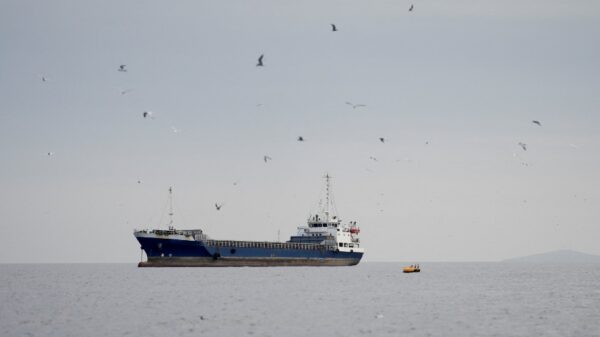
He cited Isebania, Isiolo, Busia, Bungoma, Narok, and Marsabit as among the notorious areas where smuggling of bhang and ethanol into the country is rampant.
On February 23, the Members of the National Assembly Committee on Administration and Internal Security invited Inspector General of Police, Japhet Koome, to explain the rise in the illicit alcohol trade.
The lawmakers blamed the police for rampant cases of illicit alcohol, saying Koome must provide a comprehensive report on measures taken by the National Police Service to arrest the situation.
The demand came in the wake of a tragic incident in Kirinyaga County’s Kangai Village, where 23 individuals lost their lives after consuming illicit alcohol.
Kirinyaga County MP Njeri Maina initiated the call, seeking a statement from the Chairperson of the Departmental Committee on Administration and Internal Security on the devastating incident.
Expressing deep concern, Maina cited a disturbing trend of fatalities resulting from the consumption of illicit and adulterated alcoholic beverages across the nation.
She stressed the urgent need to address the root causes.Manyatta MP Gitonga Mukunji claimed police officers are deeply entrenched in the illicit ethanol trade.
Mukunji called for a halt in ethanol imports to pave the way for the verification of traders and their tax compliance status.
“The situation has reached a critical juncture where immediate action is imperative. We must put an end to the influx of ethanol until we can ascertain the identities of these traders and ensure they are fulfilling their tax obligations,” he stated.
The legislator expressed concern over the alarming influence wielded by individuals who have amassed immense wealth from the ethanol trade, asserting that they have gained enough power to corrupt the entire police service hierarchy.
He warned the young generation will be in danger if the National Assembly fails to act.
“We have to enact laws to ensure that the population of this country does not thrive on drunkenness. A drunkard is a sick individual. However, we are treating the symptoms instead of the disease,” he held.
Contributing to the statement, House Majority Leader Kimani Ichung’wah said Parliament should enact legislation that will establish consistent regulations and standards nationwide.
Ichung’wah reckoned that there should also be national government legislation on alcohol manufacturer licensing, stressing that the responsibility should not rest solely with county governments.