





















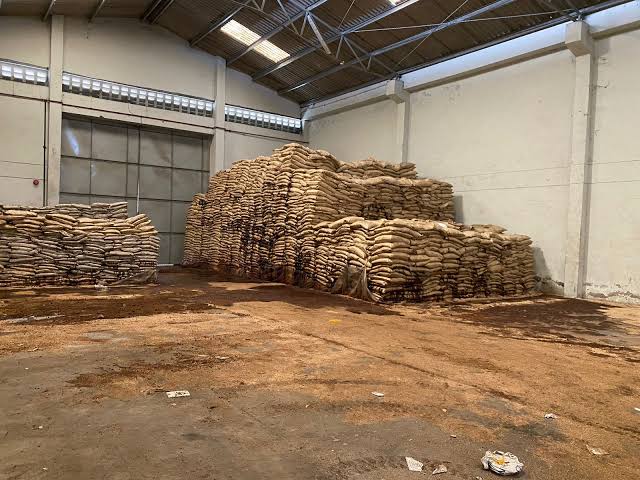

NAIROBI, Kenya May 13 – The National Assembly Committee on Trade, Industry and Cooperatives has launched investigations into the handling and whereabouts of more than 27,000 metric tonnes of imported sugar deemed unfit for human consumption.
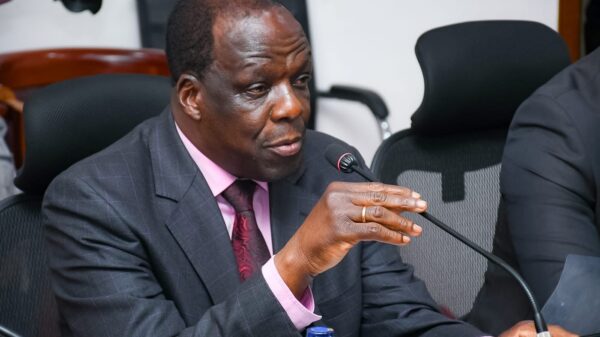
Officials from the Kenya Sugar Board, led by Chief Executive Officer Jude Chesire, faced tough questioning from lawmakers over the consignment imported by Mombasa Sugar Refinery Limited (MSRL).
The committee, chaired by Benard Shinali, sought answers on the whereabouts of 27,839 metric tonnes of sugar that tests by the Kenya Bureau of Standards found to meet standards for raw sugar intended for further refining and not for direct consumption.
“There is no clearance document provided in your documentation. We need to see the document that authorized movement of the sugar from the Mombasa warehouse to the Nairobi warehouse. We require answers urgently so that we can know Kenyans’ lives are safe,” Shinali said.
According to the board, the sugar was secured in a customs bonded warehouse at the Port of Mombasa after being offloaded from the ship.
KSB Director of Regulation and Compliance, Mr. Samwel Kembo, told the committee that the consignment had not been diverted into the local market.
“This sugar was never diverted or distributed in the country. It was well secured and kept intact at the Kenya Ports Authority bonded warehouse in Mombasa,” Kembo said.
He explained that customs clearance was granted on April 24, 2026, with transportation beginning on May 2 through the Standard Gauge Railway. The first batch of 19 wagons carrying 26,220 bags reportedly arrived in Nairobi on May 3.
However, Members of Parliament expressed dissatisfaction with the explanation and demanded more detailed information, including seal serial numbers, bonded warehouse details and records of the Nairobi storage facility.
Marianne Keitany questioned the rationale behind moving the sugar between bonded warehouses.
“If a release letter was given, why would you move the sugar from one bonded warehouse to another bonded warehouse in Nairobi? Unless there is a diversion trick being done here,” she said.
Chesire assured the committee that strict security measures had been put in place to safeguard the consignment, including the deployment of police officers and electronic tracking of trucks transporting the sugar to Kisumu for industrial refining.
“We hired police officers to guard the consignment already in Nairobi and it was locked and sealed. Trucks transporting the sugar to Kisumu will also be electronically tracked,” Chesire said.
Anthony Aluoch cautioned the board against misleading the public, warning that previous consignments declared unsafe had still found their way into the market.
The committee also questioned the board over Kenya’s sugar production levels between 2023 and 2025 and why the government had declared the country self-sufficient despite continued imports.
In response, Chesire maintained that Kenya is on course to achieve full sugar self-sufficiency by 2028.