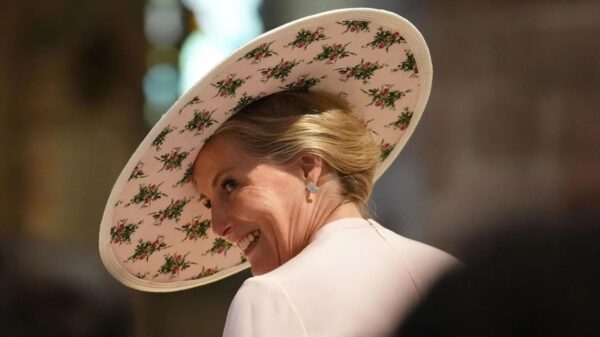












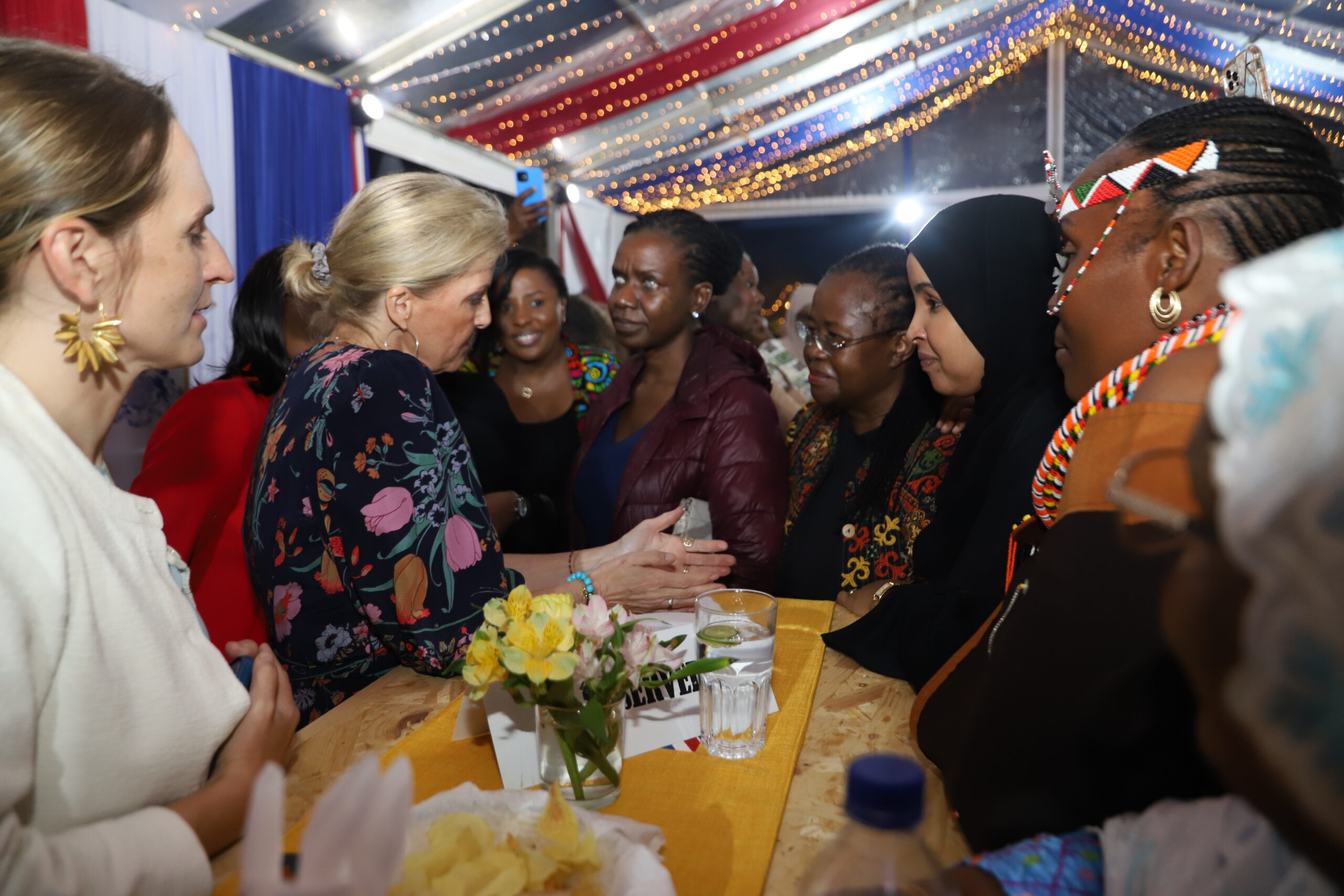

NAIROBI, Kenya, Feb 26 — The Duchess of Edinburgh has urged Kenya to move beyond policy commitments and translate gender equality pledges into concrete action, stressing that women’s bodies “should not be battlegrounds” under any circumstances.
Speaking at a reception hosted by the British High Commission in Nairobi on Wednesday evening, Sophie said meaningful progress in tackling gender-based violence will depend on sustained implementation, accountability and the inclusion of men in the conversation.
“There is a word in that title that is meaningful — the word is ‘action’. We have to change things from being plans into actions. Because we know, if we do, everybody starts to win,” she said.
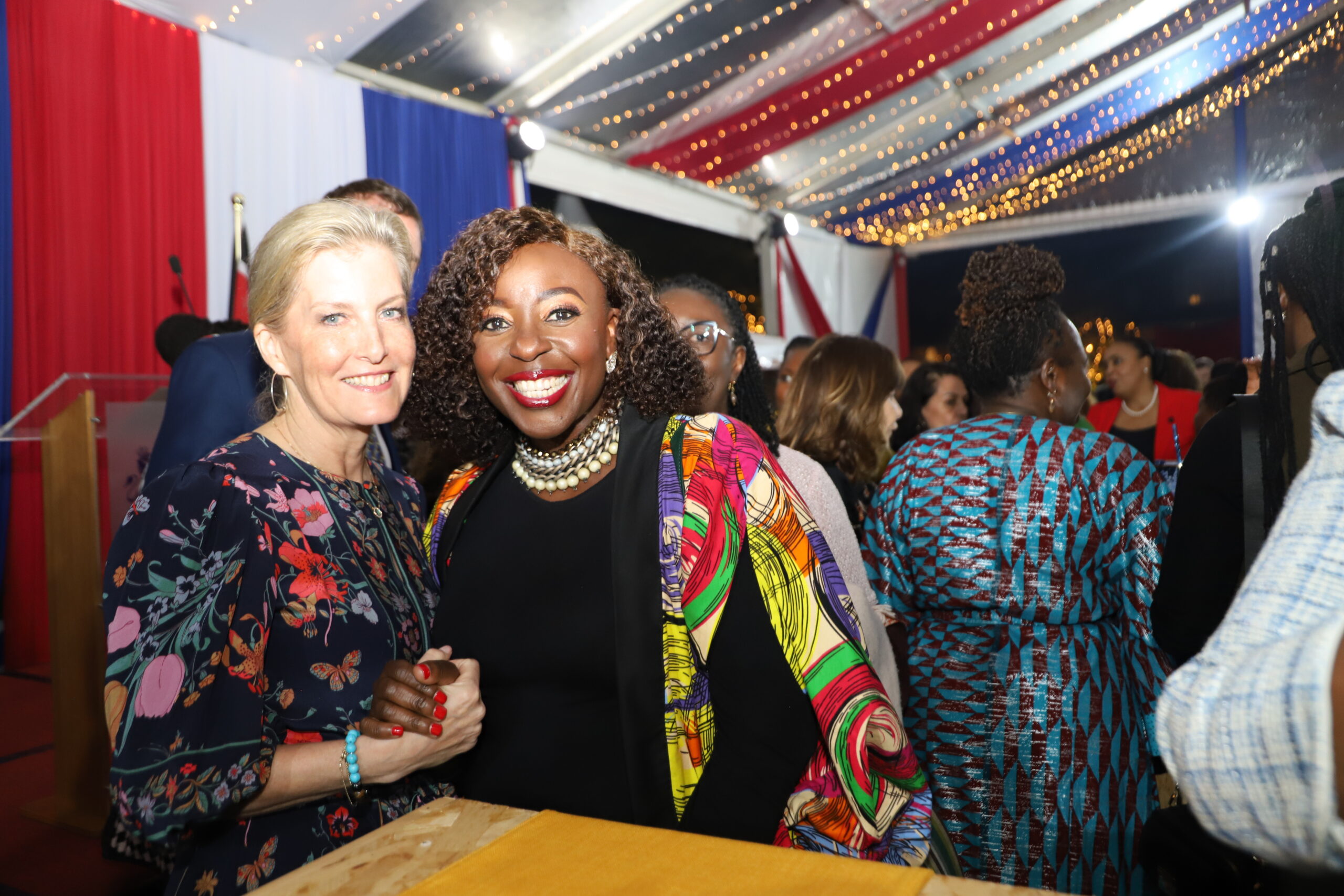
The Duchess, a global advocate against sexual and gender-based violence, noted that attitudes are gradually shifting, making it easier to address issues previously considered taboo, including abuse linked to conflict, elections and social pressures.
“It doesn’t matter why it happens. It just shouldn’t happen,” she said.
She emphasised that gender-based violence affects not only women and girls but also men and boys, calling for inclusive solutions and stronger male participation.
“When we talk about gender, this doesn’t just mean women and girls. It means men and boys as well. We must not forget that,” she said.
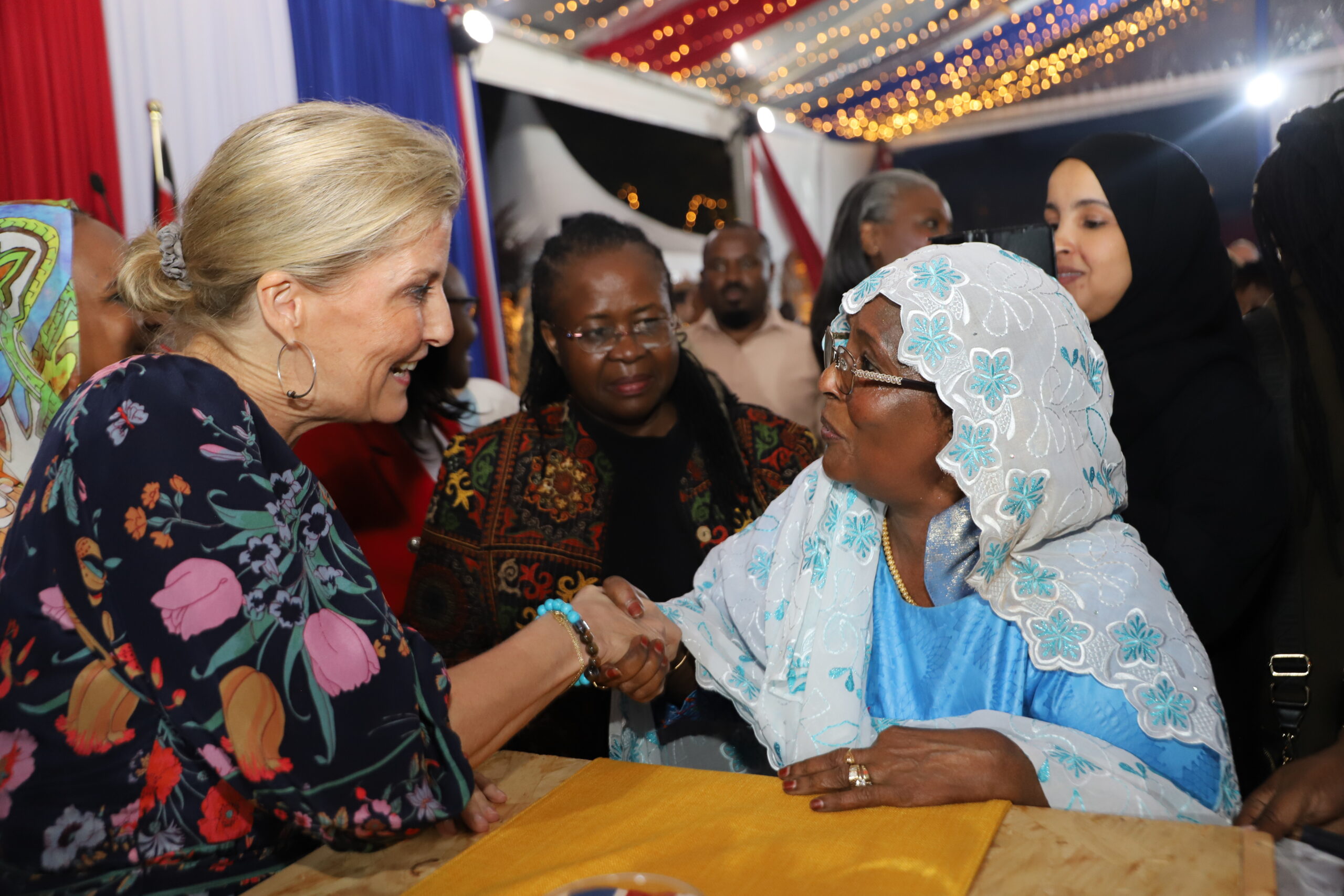
Calling for collective responsibility, she urged more men to actively support efforts to end violence and discrimination.
“We need as many men in the room and in the world to come with us on this journey. The world is a better place if we can work together on this,” she said.
She pledged to continue amplifying the voices of survivors and advocates, commending those working to advance the rights and safety of women and girls.
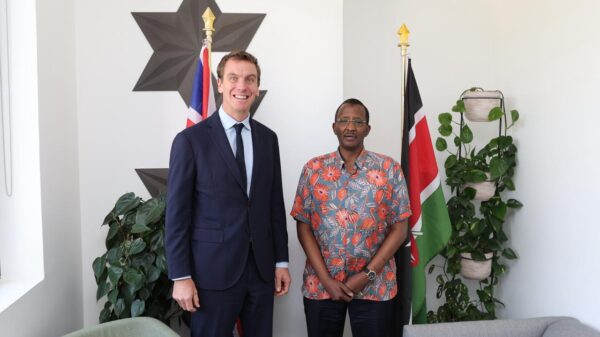
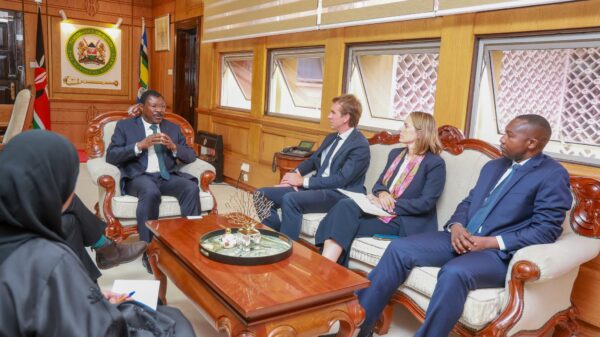
UK Chargé d’Affaires to Kenya Ed Barnett warned that protecting women from violence, including online abuse, is critical to safeguarding democracy.
“Progress does not happen by accident. It happens because people choose to push boundaries, challenge harmful norms and invest in lasting change,” he said.

Barnett praised Kenyan women for driving transformation across sectors, noting their role in business, peacebuilding and public service. He stressed the importance of male allies in advancing gender equality.
“It also depends on male champions and allies who use their influence to break down barriers and support women’s leadership,” he said.
With Kenya preparing for the 2027 General Election, Barnett warned of the growing threat of technology-facilitated gender-based violence against women in public life.
“Preventing and responding to technology-facilitated gender-based violence is essential to safeguarding democracy itself,” he said.
He cited global data showing that between 16 and 58 per cent of women have experienced online abuse, while in Kenya more than 60 per cent of women in public life report facing such attacks.

Barnett said the UK is working with Kenya on joint programmes to strengthen survivor-centred policing, combat online harassment and support civil society efforts addressing digital abuse.
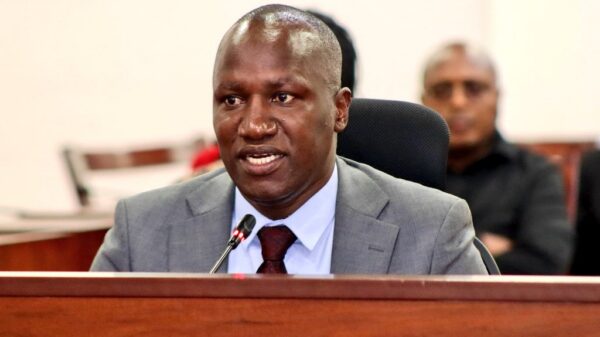
Foreign Affairs Principal Secretary Korir Sing’oei said Kenya’s 2010 Constitution provides a strong foundation for gender equality, including provisions on women’s representation, though full implementation remains a challenge.
“Our 2010 Constitution is centred on equality and human dignity… that constitutional aspiration still remains unmatched, but the journey continues,” he said.
He highlighted Kenya’s commitments under the Women, Peace and Security agenda, including the deployment of women in international peacekeeping missions.
On the 2027 General Election, Sing’oei said the government is committed to protecting female candidates and ensuring equal participation in politics.
“Mechanisms have been put in place to ensure they can participate as equal competitors for political office,” he said.