















By Olivia Adhiambo Ojwando
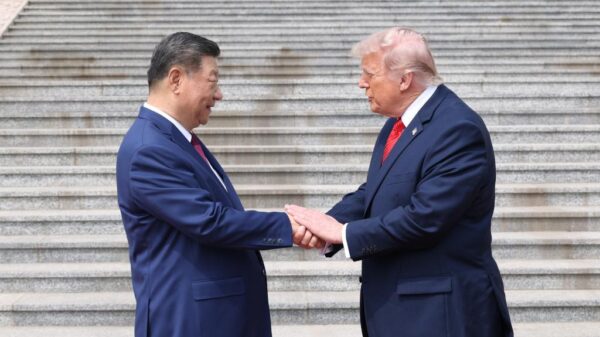
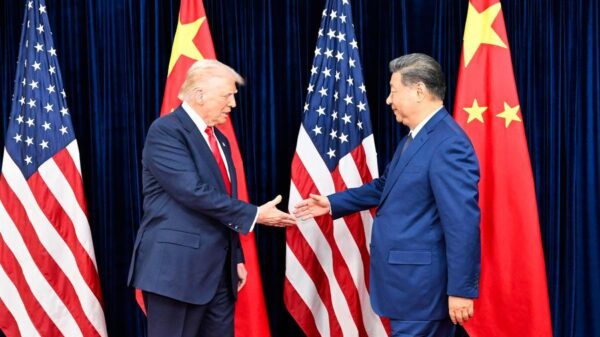
On his first day in office, President Donald Trump signed an executive order formally withdrawing the United States from the Paris Agreement. This marks the second time he has exited the landmark treaty designed to foster global cooperation against climate change.
In 2017, Trump issued a similar withdrawal, which was reversed by his predecessor, Joe Biden, who restored U.S. commitment to the agreement in 2021. Under Biden, the U.S. pledged to reduce greenhouse gas emissions by over 60 percent by 2035, reaffirming its role in global climate action. However, Trump’s recent decision has raised fears of far-reaching consequences, particularly for nations in the Global South, including African countries, which are disproportionately vulnerable to climate impacts.
During his inaugural address, Trump declared a “national energy emergency,” signaling a rollback of environmental regulations and an expansion of oil and gas exploration. This comes despite reports from the Intergovernmental Panel on Climate Change (IPCC) identifying the U.S. as one of the largest greenhouse gas emitters globally. Under Biden, the U.S. produced record-high oil volumes, according to the U.S. Energy Information Administration.
The U.S. withdrawal undermines its Nationally Determined Contributions (NDCs)—commitments to reduce emissions and adapt to climate impacts. These NDCs, core to the Paris Agreement adopted in 2015, aim to limit global warming to well below 2°C, with a preferred target of 1.5°C above pre-industrial levels.
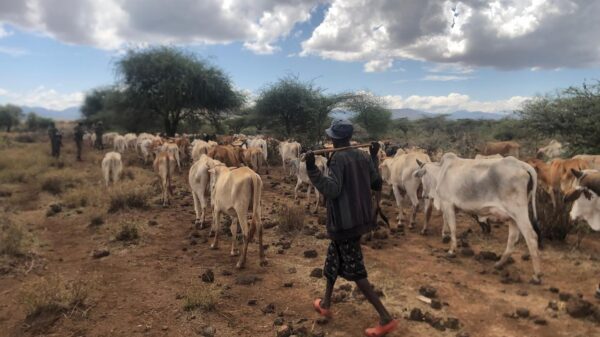
While the U.S. grapples with climate-related disasters such as wildfires, Africa faces a different but equally severe crisis. Contributing less than 4% of global emissions, African countries endure rising sea levels, extreme heat, and disrupted agriculture. The region’s reliance on climate-sensitive sectors, coupled with limited adaptive capacity, exacerbates the impact.
Trump’s withdrawal could slow global climate action, emboldening other countries to reduce their commitments. It also threatens climate finance flows to developing nations, complicating efforts to limit global warming. Without meaningful action by major emitters, Africa could face devastating consequences, pushing millions into extreme poverty by 2030 and reversing hard-won development gains.
Global South nations, including Africa, have long relied on the financial and technological support of powers like the U.S. to mitigate and adapt to climate change. Despite federal policies, U.S. states, cities, and private sector actors continue to demonstrate leadership. Over 500 business and state leaders, representing 63% of the U.S. population and 70% of its GDP, have pledged to uphold the Paris Agreement.
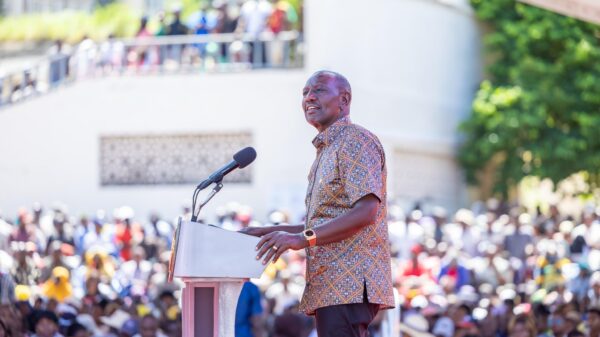
U.S.-based corporations have invested in carbon credits, funding projects in the Global South that offset emissions. For example, Kenyan forest communities, critical to conserving carbon sinks, benefit from these investments through education scholarships, healthcare initiatives, and job creation.
This decentralized effort underscores the potential for collaborative global action. By strengthening alliances with nations worldwide, U.S. stakeholders can contribute to climate justice and secure a sustainable future.
The urgency of collective action cannot be overstated. African nations need steadfast global partners to navigate the climate crisis and safeguard progress for future generations.
Olivia Adhiambo Ojwando is the Climate Policy Director, Africa, at Wildlife Works.