














NAIROBI, Kenya, May 12 — A proposed increase of more than Sh13 billion in the Independent Electoral and Boundaries Commission (IEBC) budget has put the electoral agency on the spot, with Members of Parliament demanding justification for the additional expenditure ahead of the 2027 General Election.
Appearing before the Justice and Legal Affairs Committee (JLAC) to defend the 2026/2027 budget estimates, IEBC commissioners said the increase is driven by plans to expand polling stations, roll out additional voter registration centres, facilitate diaspora voting and procure new election technology within tight timelines.
Under the proposal, IEBC is seeking to revise its budget upwards to Sh74.8 billion, from the Sh61.7 billion it had requested in the previous budget cycle.
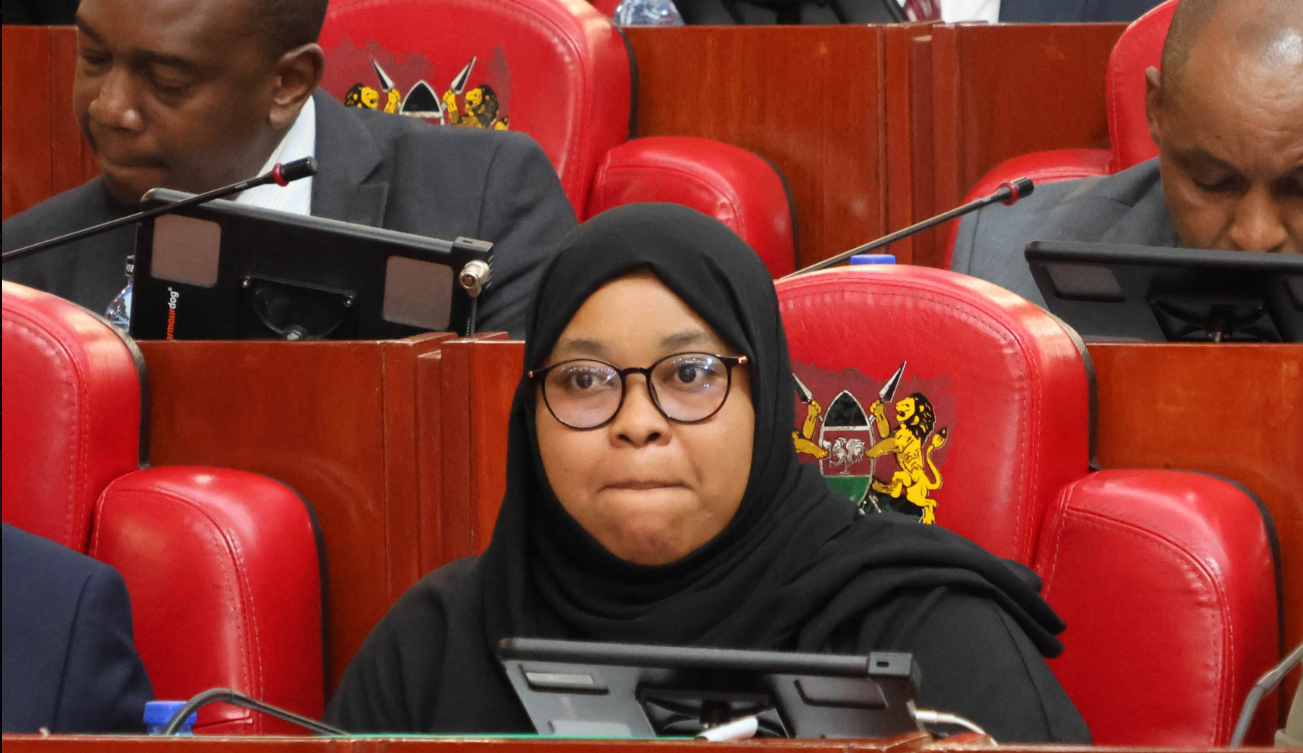
IEBC Commissioner Anne Nderitu told lawmakers the commission plans to increase polling stations from about 46,000 used during the 2022 General Election to nearly 55,000 by 2027 to cater for a projected rise in voters.
The commission estimates the voter register will grow to about 28.5 million voters, up from 22.1 million in 2022.
“We anticipate that the number of polling stations will increase from 46,000 to 55,000 in the next General Election, with approximately 500 voters per polling station compared to 480 voters in the 2022 General Election,” she stated.
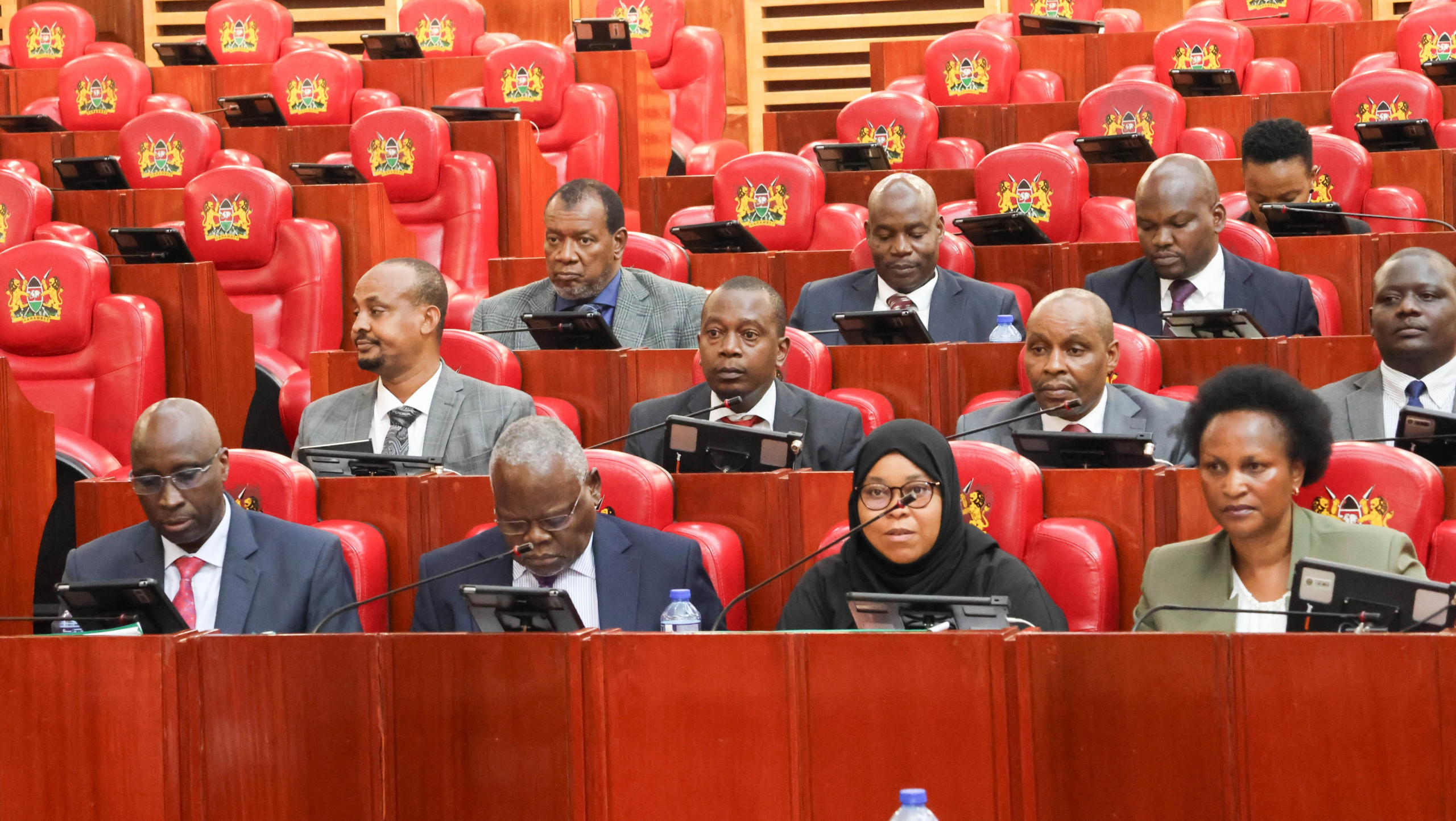
Nderitu told the George Murugara-led committee that the additional allocation would facilitate an enhanced voter registration exercise scheduled for December 2026 and January 2027.
The commission revealed that during the most recent enhanced voter registration exercise concluded last month, it registered 2.6 million new voters through continuous and enhanced registration drives.
Diaspora voters
According to IEBC’s final status report, 267,249 voters were registered through the routine Continuous Voter Registration (CVR) exercise conducted between September 29, 2025 and April 2026, while 2,345,476 voters were added during the Enhanced Continuous Voter Registration (ECVR) Phase I carried out between March 30 and April 28, 2026.
The electoral agency also defended allocations earmarked for diaspora voting, arguing that Kenya must progressively expand voting opportunities for citizens living abroad.
According to figures presented before the committee, about 1.4 million Kenyans live outside the country, with more than 700,000 registered with Kenyan missions abroad.
Currently, diaspora voting is limited to 12 countries and largely restricted to embassy premises.
“According to data from the Ministry of Foreign Affairs, there are about 1.4 million Kenyans residing outside the country. Currently, we are in 12 countries, but even in those countries, voting is restricted to embassy premises. We are asking for a review of legislation so that we can open additional polling stations outside embassies,” Nderitu stated.
The commission said the funds would support mapping and establishment of additional registration and polling centres in countries with large Kenyan populations, including the United States, the United Kingdom, Canada, South Africa and East African Community member states.
“In the UK, for example, we only have one voting station in London, forcing some Kenyans to travel long distances just to vote,” commissioners told MPs.
Poll technology
IEBC also came under pressure over its proposal to procure new election technology kits despite an ongoing audit of existing Kenya Integrated Election Management System (KIEMS) kits.
Commission officials said although many of the more than 41,000 existing KIEMS kits remain functional, they are over 10 years old and cannot be fully relied upon during a national election.
“We are talking about 41,000 old KIEMS kits. The challenge is that we cannot take risks with these kits because they are over 10 years old. Any single kit failure on election day would become a serious problem,” said IEBC Commissioner Francis Aduol.
The commission argued that procuring an entirely new integrated technology system would reduce compatibility risks between old and new devices and support multiple future election cycles.
IEBC further warned that procurement timelines were becoming increasingly tight, saying election technology must be acquired, tested and simulated well before the 2027 polls.
“We are running out of time, and if it were up to us, we would float the tender tomorrow because the election is approaching fast. We should ideally be fully prepared with technology at least 60 days before the elections,” said IEBC Vice Chairperson Fahima Abdalla.
MPs, however, questioned the commission’s absorption rate and pending bills, arguing that IEBC was seeking more funds despite low expenditure levels in the current financial year.
The commission defended itself, saying some activities had delayed due to reliance on other government agencies, including the ICT Authority, which is currently auditing election kits.
IEBC also acknowledged dwindling donor support but said it was engaging United Nations agencies and development partners under a basket-funding arrangement to support election preparations.
Commissioners maintained that the proposed budget is necessary to guarantee credible elections and ensure constitutional requirements are fully met ahead of the 2027 General Election.