













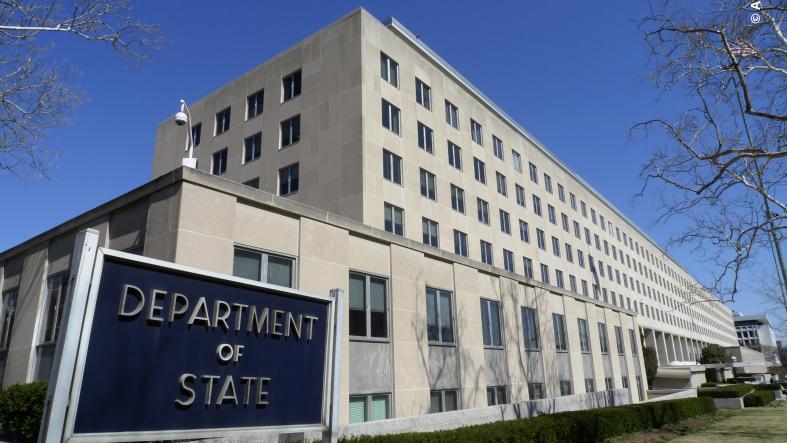

NAIROBI, Kenya, Jan 26 — The United States has imposed visa restrictions and revoked existing visas for two members of Haiti’s Transitional Presidential Council (TPC) and their immediate family members over alleged involvement in the operation of criminal gangs, the State Department said.
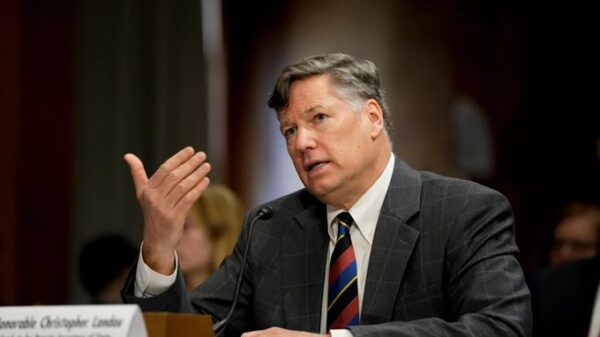
State Department Principal Deputy Spokesperson Tommy Pigott said the action targets the two council members as well as their spouses and children, citing their alleged role in supporting gangs and other criminal organisations in Haiti.
“The Department of State is taking steps to impose visa restrictions and revoke the visas of two (2) Transitional Presidential Council (TPC) members and their immediate family members (spouse and children),” Pigott announced on Sunday.
“These actions [are being] taken due to the TPC members’ involvement in the operation of gangs and other criminal organisations in Haiti, including through interference with the Government of Haiti’s efforts to counter gangs designated as Foreign Terrorist Organizations (FTO) by the United States.”
Pigott said the move was taken under Section 212(a)(3)(C) of the US Immigration and Nationality Act, which bars entry to individuals whose presence or activities could have serious adverse foreign policy consequences for the United States.
“The United States remains committed to supporting Haiti’s stability and to partnering with Haitian authorities to fight gang violence in Haiti,” he said, adding that the Haitian people had “had enough with gang violence, destruction, and political infighting.”
“The Trump Administration will promote accountability for those who continue to destabilize Haiti and the region,” Pigott said.
Turmoil
The visa sanctions come amid deepening political turmoil in the Caribbean nation.
Just days earlier, Haiti’s Transitional Presidential Council announced it had voted to dismiss Prime Minister Alix Didier Fils-Aimé, only two weeks before the council itself was due to step down.
Council chairman Edgard Leblanc Fils made the announcement at a news conference alongside fellow council member Leslie Voltaire, saying a majority of the panel voted on Thursday to remove the prime minister. No other council members were present at the briefing.
The decision defied calls from the US government to maintain continuity and stability in Haiti’s leadership as the country struggles to contain powerful gangs that control large swathes of territory.
Leblanc did not explain why the council turned against Fils-Aimé, who took office in November 2024.
However, he said the council would name a replacement within 30 days.
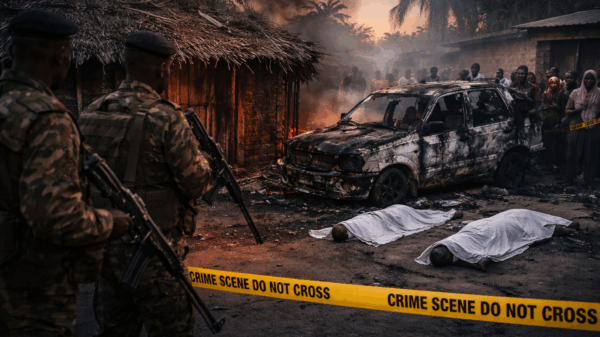
Haiti has been grappling with escalating violence, political instability and a deep humanitarian crisis, with international partners increasingly pressing local leaders to prioritise unity and decisive action against armed gangs.