













NAIROBI, Kenya, Jan 27 — United Nations Secretary-General António Guterres has renewed calls for urgent reforms to the UN Security Council, stressing that the body’s credibility and effectiveness depend on broader representation and timely action aligned with today’s global realities.
Guterres highlighted that the Security Council carries a unique responsibility under the UN Charter, with authority unmatched by any other international body.
“The United Nations Security Council stands alone in its authority to act on behalf of all Member States on questions of peace and security. It alone adopts decisions that are binding on all,” Guterres said.
“No other body or ad-hoc coalition can legally require all countries to comply with decisions on peace and security. This unique mandate makes reform unavoidable.”
He added: “That is why reform is essential. That is why we must act without delay to enhance the representation and effectiveness of the Security Council.”
Under the UN Charter, the 15-member Security Council bears primary responsibility for maintaining international peace and security.
The Security Council determines threats to peace, calls on parties in disputes to resolve conflicts peacefully, and may recommend settlement terms. In certain cases, the Council can impose sanctions or authorize the use of force to restore stability.
The Council comprises five permanent members — China, France, Russia, the United Kingdom, and the United States — who hold veto power, and ten non-permanent members elected for staggered two-year terms.
All UN Member States are obligated to comply with Security Council decisions, particularly those under Chapter VII of the UN Charter. The Council’s presidency rotates monthly among members in English alphabetical order.
Founded in 1945 and headquartered in New York, the Security Council remains one of the UN’s most powerful organs.
Critics, however, argue that its structure reflects post-World War II geopolitics rather than contemporary realities, limiting its legitimacy and effectiveness.
African leaders have been among the strongest advocates for reform, citing the continent’s exclusion from permanent representation despite having 54 Member States.
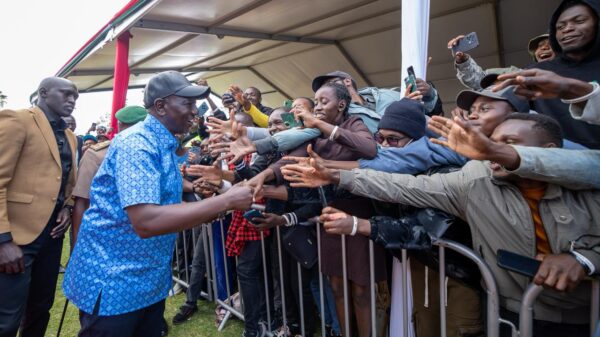
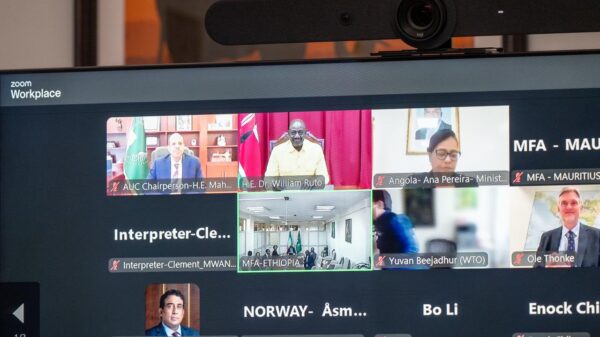
President William Ruto has been particularly vocal on the matter. Addressing the UN General Assembly in New York in September 2025, Ruto warned that the global body risks sliding into irrelevance unless it adapts to changing times.
“The UN must become fit-for-purpose. Its organs must be reformed, mandates strengthened, and decisions aligned with current realities rather than the 1945 geopolitical situation,” Ruto said.
“Institutions rarely fail because they lack vision or ideals; more often, they drift into irrelevance when they do not adapt, when they hesitate to act, and when they lose legitimacy,” he added.
Ruto further emphasized that Africa’s continued exclusion from permanent Security Council seats undermines the UN’s credibility.
“Africa’s exclusion is not only unacceptable, unfair, and grossly unjust; it also undermines the very credibility of the United Nations. Reforming the Council is not a favor to Africa but a necessity for the UN’s own survival,” he said.