




















Israeli Prime Minister Benjamin Netanyahu’s controversial plans for a new military push in the Gaza Strip have raised warnings from the army leadership, opposition from hostage families and concerns that more Palestinians will be killed.
They also risk isolating his country even further.
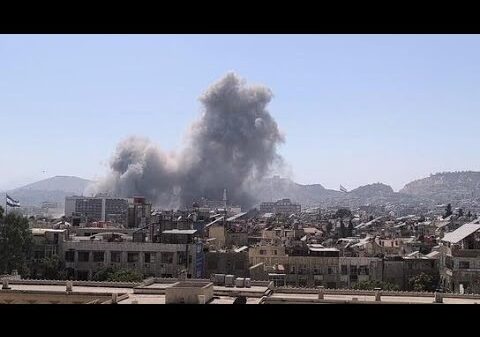
In a meeting of the security cabinet that lasted 10 hours, ministers approved proposals for the “takeover of Gaza City”, which is likely to be the first phase for the Israeli military to assume full control of Gaza, as Netanyahu says it is his intention.
A statement released by his office did not use the word “occupation” but, effectively, that is what the plans mean.
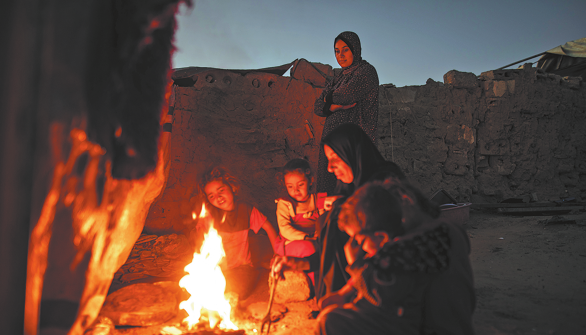
It is not clear when the operations, which could take months, will start, as the military will have to call up thousands of reservists, exhausted after serving multiple times, and allow for the forced evacuation of residents from an area where around 800,000 Palestinians live.
Many, if not most, have already been displaced many times in this war.
The plans will spark fresh condemnation from countries which have expressed anger over the situation in Gaza and urged Israel to end the war, which started as a response to the Hamas attacks on Israel on 7 October 2023.
UK Prime Minister Sir Keir Starmer has described the decision as “wrong” and called on Israel to reconsider it “immediately”.
But international pressure is unlikely to force Netanyahu change his course.
There is discontent at home, too. Polls suggest most of the Israeli public favour a deal with Hamas for the release of the 50 hostages, 20 of whom are thought to be alive, and the end of the war.
The threat of a full occupation could be part of a strategy to try to force the group into making concessions in stalled ceasefire talks.
Israeli leaders say Hamas, for now, is not interested in negotiating as, in their view, the group is feeling emboldened, a view that seems to be shared by the Trump administration which has not expressed opposition to Israel’s plans.
Many here believe that Netanyahu is prolonging the conflict to guarantee the survival of his coalition, which relies on the support of ultranationalist ministers who have threatened to quit the government if the war ends.
Itamar Ben Gvir and Bezalel Smotrich have also publicly defended what they describe as the voluntary migration of Palestinians from Gaza – which could amount to the forced displacement of civilians, a war crime – and resettling it with Jews.
Netanyahu’s ideas have faced strong opposition from the army’s Chief of Staff, Lt Gen Eyal Zamir who, according to reports in the Israeli media, had warned the prime minister that a full occupation Gaza was “tantamount to walking into a trap” and would endanger the living hostages.
Many of the hostages’ families share those concerns, and say the only way to guarantee the release of the hostages is through a negotiated deal with Hamas and ending the war.
According to the Maariv newspaper, the “prevailing assessment is that most and possibly all of the living hostages [will] die” during an expanded offensive, either killed by their captors or accidentally by Israeli soldiers.
https://emp.bbc.com/emp/SMPj/2.59.1/iframe.htmlWatch: MSF doctor Caroline Willeman speaks about worsening situation in Gaza
Ahead of the security cabinet meeting, Netanyahu gave an interview to Fox News in which he said Israel intended to take full control of Gaza.
The decision of the cabinet appeared to stop short of officially endorsing that.
In the Fox interview, Netanyahu suggested that Israel did not want to keep the territory. “We don’t want to govern it,” he said. “We don’t want to be there as a governing body. We want to hand it over to Arab forces.”
He did not give details about possible arrangements or which countries could be involved. Still, this was a rare indication of what he might be envisioning for a post-war Gaza.
Netanyahu has, so far, failed to offer a vision for Gaza after the war apart from refusing to accept a governing role for the Palestinian Authority, the body that governs the occupied West Bank and recognises Israel.
Israel’s war in Gaza has killed more than 61,000 Palestinians, according to Gaza’s health ministry, which is run by Hamas. The Hamas 7 October attacks on Israel killed about 1,200 people, while 251 were taken to Gaza as hostages.