





















NAIROBI, Kenya, Jul 16 – Kenyans seeking to register for gambling accounts may soon be required to take a selfie holding their national ID, in what regulators say is part of a strategic plan to clean up the fast-growing betting industry.
The Betting Control and Licensing Board (BCLB) is proposing sweeping reforms to tighten market entry, raise compliance standards, and reduce the number of speculative operators in the country’s gambling sector.
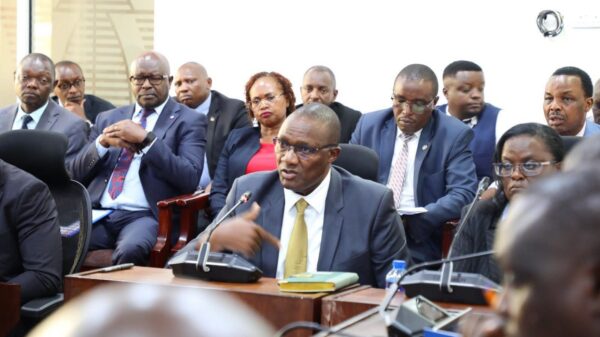
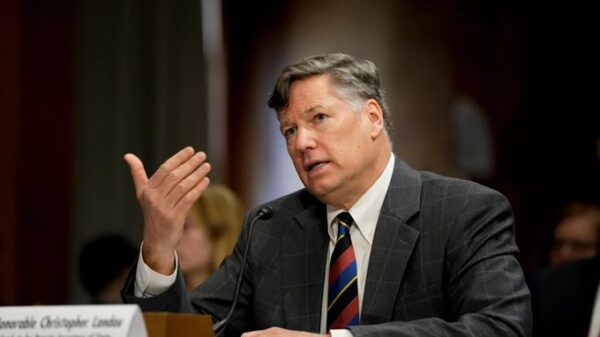
BCLB Director Peter Mbugi told the National Assembly’s Finance and Planning Committee that the Board is seeking to overhaul current licensing requirements, including raising the minimum capital investment to Sh50 Million for betting firms to weed out unserious entrants.
“For a small-scale betting shop (Muaka), we are proposing a minimum capital investment of Sh50 million. For public gaming operators such as casinos, the proposal is to raise the requirement to Sh5 billion,” said Mbugi.
The regulator is also proposing Sh200 million in capital for online betting platforms and national lottery operators, significantly higher than the current financial thresholds.
This comes as the country continues to battle a rise in gambling addiction, particularly among the youth, fueled by the proliferation of betting firms.
In 2024 alone, the BCLB licensed over 236 companies, while a further 106 gambling websites were flagged down in the last year by the Board in conjunction with the Communications Authority of Kenya.
Mbugi said the new measures would help establish order in an industry long plagued by weak oversight, murky ownership structures, and lax technical standards.
Currently, the application fee for a betting license is Sh10,000, with annual license fees ranging between Sh400,000 and Sh1 million depending on the size of the operator figures lawmakers say are far too low given the risks posed by the sector.
Homa Bay Town MP Peter Kaluma backed the proposed increase in capital requirements saying gambling shouldn’t propel moral decay.
“The concern is not just about revenue, but also the public good versus public harm. We need to ensure that gambling is not contributing to societal decay,” Kaluma stated.
The committee raised scrutiny on Aviator the fast-rising game of chance whose popularity has swept through online betting platforms.
The game, built on a multiplier model, allows punters to place a bet and watch a plane or animated object ascend as odds increase, with players required to cash out before the object crashes.
Mbugi explained that Aviator operates on complex algorithms and uses random number generators, making outcomes independent and unpredictable.
“There is no known trick or formula to predict outcomes. We ensure the algorithms used in these games are vetted before authorization to confirm fairness,” he said.
While noting that the gameplay is straightforward with gamblers placing bets and cashing out before a crash, Mbugi emphasized the need to regulate both the game mechanics and associated advertising.
He said currently, no Aviator games are authorized to advertise on TV, radio, or print without explicit approval from the Board.
To enhance oversight, BCLB is seeking funding to implement a centralized Gaming Monitoring System capable of real-time surveillance of all licensed betting operations in the country. This is to allow better tracking of compliance, revenue, and player protections.
New user verification protocols are also on the table. One proposal would require new gamblers to upload a picture of themselves holding their national ID, to curb access by minors using parents’ documents.
Lawmakers expressed concern about the social costs of unregulated gambling, including addiction, poverty, and the normalization of gambling among minors.
“Some of our frameworks are outdated and can no longer adequately address the evolving industry,” Mbugi stated.
He pointed to the Betting, Lotteries and Gaming Act of 1966 as a law in urgent need of overhaul.
The proposed Gambling Control Bill aims to anchor these reforms into law and provide a stronger legal foundation for oversight.
“The Board aspires to create a well-regulated gaming industry that protects the public, promotes responsible gambling, and drives investment and revenue growth,” Mbugi said.