









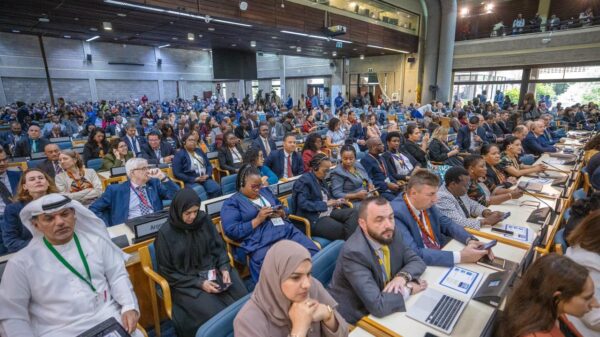







NAIROBI, Kenya, Nov 23 – Kenya has pledged new commitments towards ensuring that every woman and girl across the world has access to life-saving family planning services.
The key commitments made during the global gathering marking the launch of the new decade of the Family Planning 2030 (FP2030) partnership, includes a pledge to increase Kenya’s modern contraceptive prevalence rate for married women from 58% to 64% by 2030, reducing the unmet need for family planning services for all women nationwide from 14% to 10% by 2030 and to increase domestic financing for family planning commodities to cover 100% of requirements by 2026.
FP2030, a global partnership that supports the reproductive rights of women and girls, convened the event where more than USD $3.1bn (Sh348.3 trillion) in funding was committed to widening access to family planning over the next 5 years.
National government commitments were also celebrated, with countries including Benin, Burkina Faso, Ethiopia, Guinea, Madagascar, Mali, Mauritania, Niger, Nigeria, Senegal, Tanzania, Togo, and Uganda sharing their inspiring pledges towards sustaining global action in family planning alongside Kenya.
This brings the total number of commitment makers to 46 as of November 2021, with the event marking the official start of the new decade of the FP2030 partnership.
This follows its previous iteration as the FP2020 partnership which was launched in 2012 and in the years since has overseen some remarkable progress, notably an increase in the number of people using contraception by 60 million over nine years (doubling in the number of modern contraceptive users in 13 low-income countries), preventing more than 121 million unintended pregnancies, 21 million unsafe abortions, and 125,000 maternal deaths also prevented in 2019 alone.
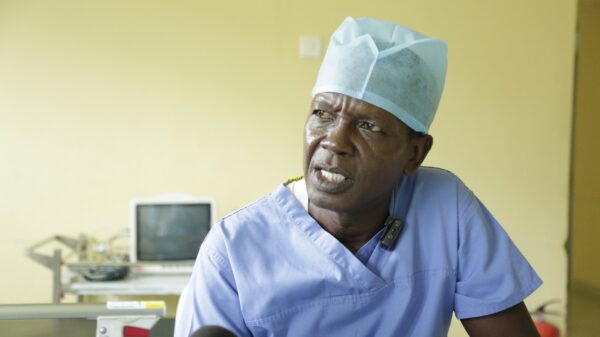
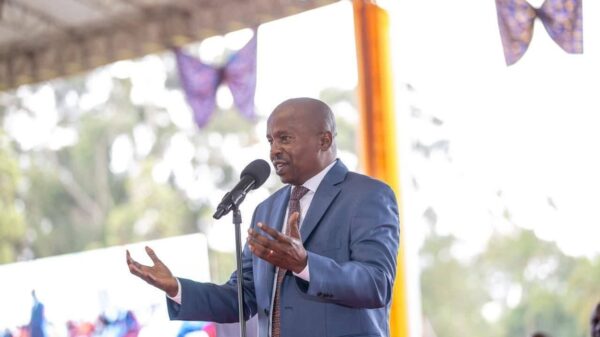
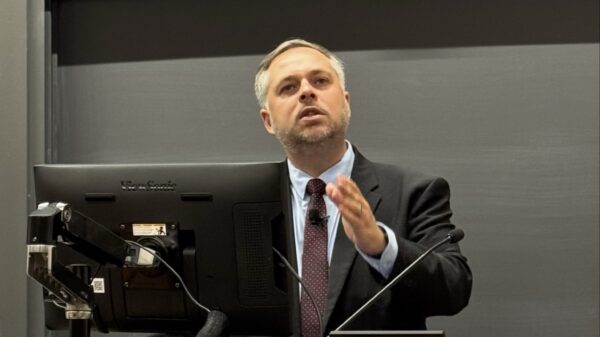
Kenya’s Head of the Department of Family Health, Isaak Bashir, outlined the importance of family planning when making the commitment, emphasising the Kenyan government’s belief that when Kenyan women can make their own decisions about their fertility, the whole country benefits.
“By giving women and girls the ability to shape and make their own choices about family planning, there are proven improvements for both health-related outcomes and long-term social and economic progress,” said Bashir.
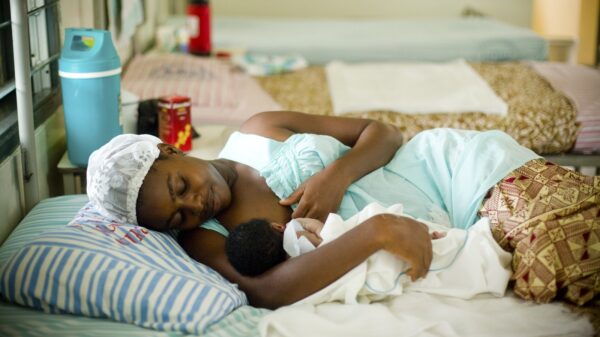
In Kenya in 2020, an estimated 6 million women and girls were using a modern method of contraception, almost 2 million more since the launch of FP2020 in 2012.
Further, the high-profile event saw a range of topics discussed, including the need to innovate in family planning amidst global crises like COVID-19, and preserving and sustaining family planning funding amidst global cuts in funding and supply chains.
FP2030 and its partners highlighted the critical nature of access to family planning, an essential right for every woman and girl no matter where she lives.
“The pandemic has demonstrated the centrality of health and that global challenges require global solutions. The launch of Family Planning 2030 is an opportunity to expand and improve our collaborative work on family planning. Family planning and contraception, including postpartum and post-abortion services, must be recognized as essential health services and as critical for reducing gender inequalities,” commented Director-General of the World Health Organization (WHO) Dr. Tedros Ghebreyesus.
FP2030’s latest report, Becoming FP2030 was also released alongside the event providing a deeper look into the vision powering the new decade of partnership, a vision that will be focusing on five key areas: policy, data, financing, gender norms, and system responsiveness.
Outlined in this is the rationale behind the new regional hubs in Africa, Asia and Latin America,(to be announced in early 2022) which will strengthen the partnership’s ability to provide support to key commitment makers representing communities in these locations.
The report also sets out the partnership’s new approach, deeply rooted in transparency and accessibility, with FP2030 planning to deepen their engagement with youth and other underserved groups, including people with disabilities and members of the LGBTQIA+ community.
Meanwhile, the FP2030’s data report which will be released in December will provide a comprehensive analysis of the current state of family planning worldwide.