










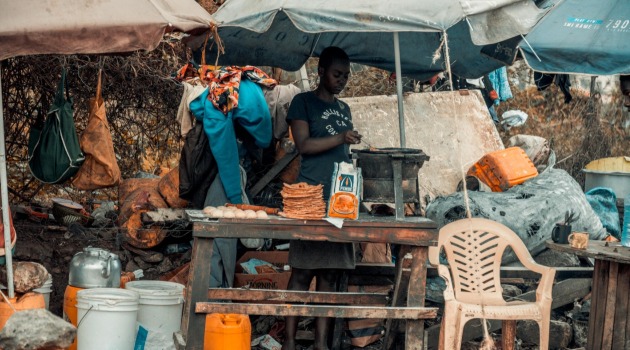

NAIROBI, Kenya, May 9 – A new report by the Population Council now indicates 82 per cent of households in Nairobi’s informal settlements of Kibera, Huruma, Kariobangi, Dandora and Mathare may not be able to self-isolate if required to do so in measures to combat the spread of coronavirus.
Sixty-eight per cent of 2,010 respondents interviewed indicated they feared contracting the virus with only 25 per cent expressed fear of infecting others.
“The ability to stay at home was lower for those with less education (14pc v. 30pc),” the survey which was conducted between Mar 30 and 31 revealed.
Ninety-nine per cent of the respondents interviewed however said they had adopted preventive measures recommended by the health ministry to stop the spread of the disease which has so far claimed 29 lives in the country.
They survey co-sponsored by the health ministry indicates hand washing remains a challenge with 37 per cent of the respondents citing lack of water. 53 per cent cited the high cost of sanitizers.
All interviewees said they were aware of the virus but only 83 per cent believed that anyone could be infected, a finding that point to a knowledge gap on the transmission of the pandemic.
The findings of the new report mirror those of a survey conducted by Infotrak Research and Consulting which revealed forty-one per cent of 831 respondents sampled across 24 of Kenya’s 47 counties between March 30 and April 2 believed the threat posed by the virus has been exaggerated with nearly half of people interviewed dismissing it as a common cold.
Majority of respondents in the Infotrak study (55 per cent) identified sneezing as a symptom of the virus with 77 per cent and 42 per cent of the respondents identifying fever and difficulty breathing respectively. 86 per cent mentioned coughing as a COVID 19 symptom.
“If experiencing symptoms of COVID-19, 71 per cent said they would go to the clinic while few said they would stay home (19 per cent) or practice social distancing (17 per cent),” the survey noted.
Six out of ten respondents indicated they were aware the elderly were a high risk group. Four out of 10 indicated those with weakened immune systems/HIV/TB are at risk.
Over 20 per cent incorrectly indicated that children were at high risk of severe illness.
The telephonic survey targeted respondents aged averagely 36 years. 37 percent were male and 63 percent female.