
















NAKURU, Kenya, Mar 9 – Africa’s heavy reliance on imported livestock products is costing the continent billions of dollars annually, prompting calls for stronger political commitment to enhance local production and regional trade.
Despite possessing significant livestock resources, the region imported over $10 billion (KSh1.3 trillion) worth of livestock products last year, while exporting only $3.8 billion (KSh490.2 billion), highlighting a widening trade deficit driven by weak policy implementation and fragmented regulations.
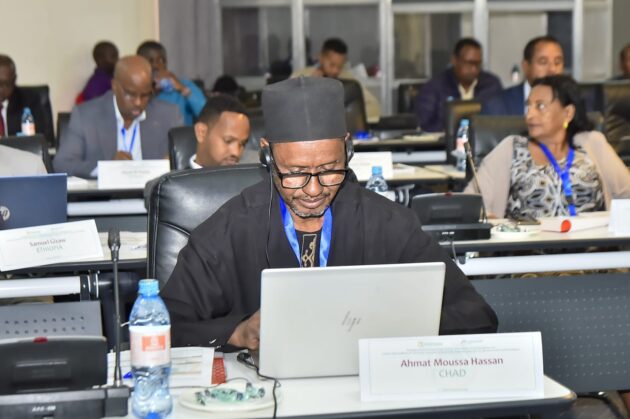
The concerns were raised during a week-long technical consultation in Naivasha, convened by the African Union Inter-African Bureau for Animal Resources (AU-IBAR). The meeting drew more than 70 veterinary authorities, customs officials, and private sector traders from multiple African countries seeking to harmonise cross-border livestock trade rules.
“Africa has the animals, the institutions, and the policies. What has been missing is the connection between our markets,” said Dr John Oppong-Otoo, AU-IBAR Coordinator for Economics, Marketing, and Trade.
Experts say the continent is losing potential employment and industrial growth by importing processed livestock products while having the raw materials and technical capacity to build domestic industries.
The leather sector was cited as a prime example, where African countries process only a small share of hides and skins but import finished products like shoes from overseas.
Dr Solomon Munyua, a livestock trade expert, noted:
“Africa imported about $10.2 billion worth of livestock and livestock products last year but exported only $3.8 billion. This reflects weak policy implementation and poor coordination rather than limited production capacity.”
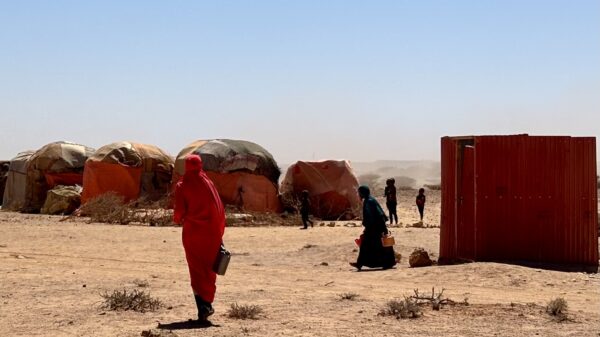
Participants highlighted that pastoralists across the Horn of Africa and the Sahel still rely on informal livestock trade routes despite regional agreements designed to support structured cross-border commerce.
Governments are now aligning policies with regional and continental frameworks, including sanitary and phytosanitary protocols and agreements under the East African Community (EAC) and the Intergovernmental Authority on Development (IGAD).
“We are very eager to implement provisions that facilitate free livestock trade across the continent,” said Dr Christopher Wanga, Kenya’s Director of Livestock Policy Research and Regulations.
The Africa Pastoral Market Development Platform, an AU-IBAR initiative, is connecting livestock producers with aggregators and buyers across borders while improving access along key pastoral trade corridors.
Weak regulatory oversight remains a major obstacle in some countries. Dr Adelaide Ayoyi, EAC Coordinator for Mutual Recognition Procedures, emphasized the need for competent authorities to ensure veterinary medicines meet common safety and quality standards.
“Progress has been recorded in Kenya, Rwanda, Uganda, and Tanzania, and efforts are underway to strengthen technical capacity in Burundi,” she said.
Officials from the African Continental Free Trade Area (AfCFTA) Secretariat confirmed that key protocols governing trade and dispute settlement have been adopted and are now being implemented.
“We have negotiated the main protocols under AfCFTA and are now rolling out implementation tools such as the non-tariff barrier reporting mechanism and rules of origin guidelines,” said Dr Diana Akullo, Principal Officer for Trade in Goods and Competition at AfCFTA Secretariat.
Analysts say that closing Africa’s livestock trade deficit will require robust enforcement of regional frameworks, stronger coordination between governments, and better integration of pastoralists into formal markets.